
Information
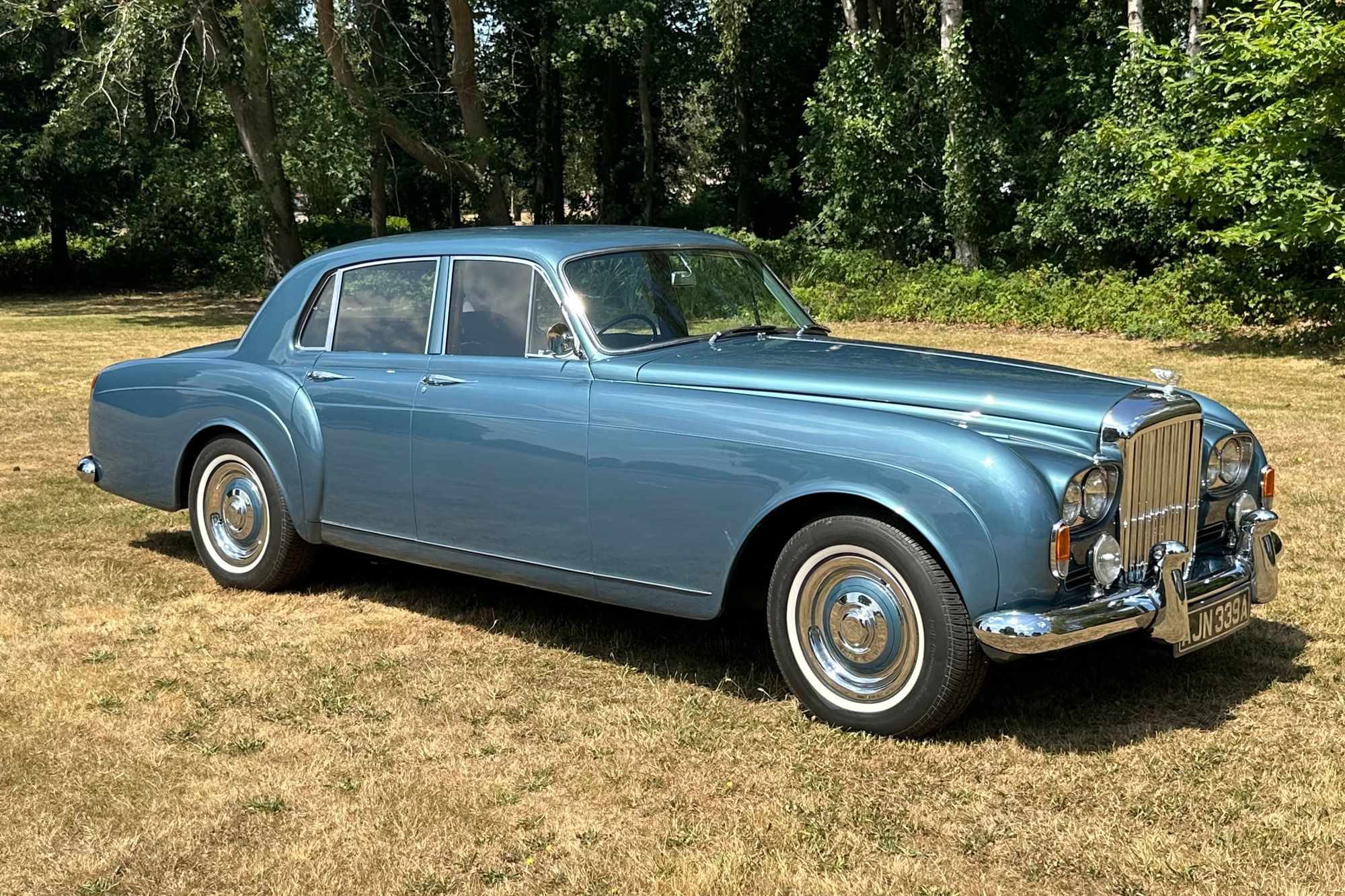
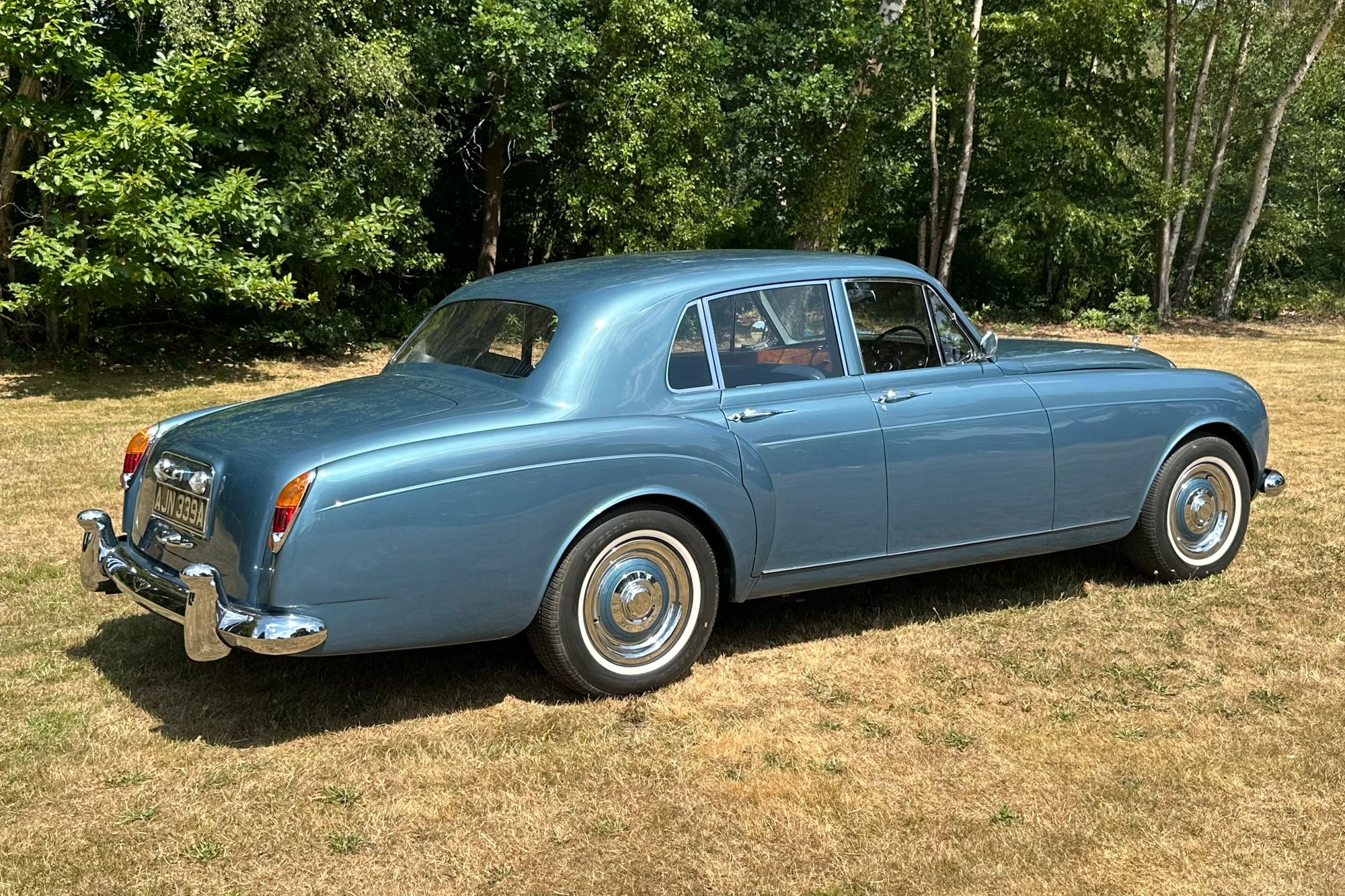
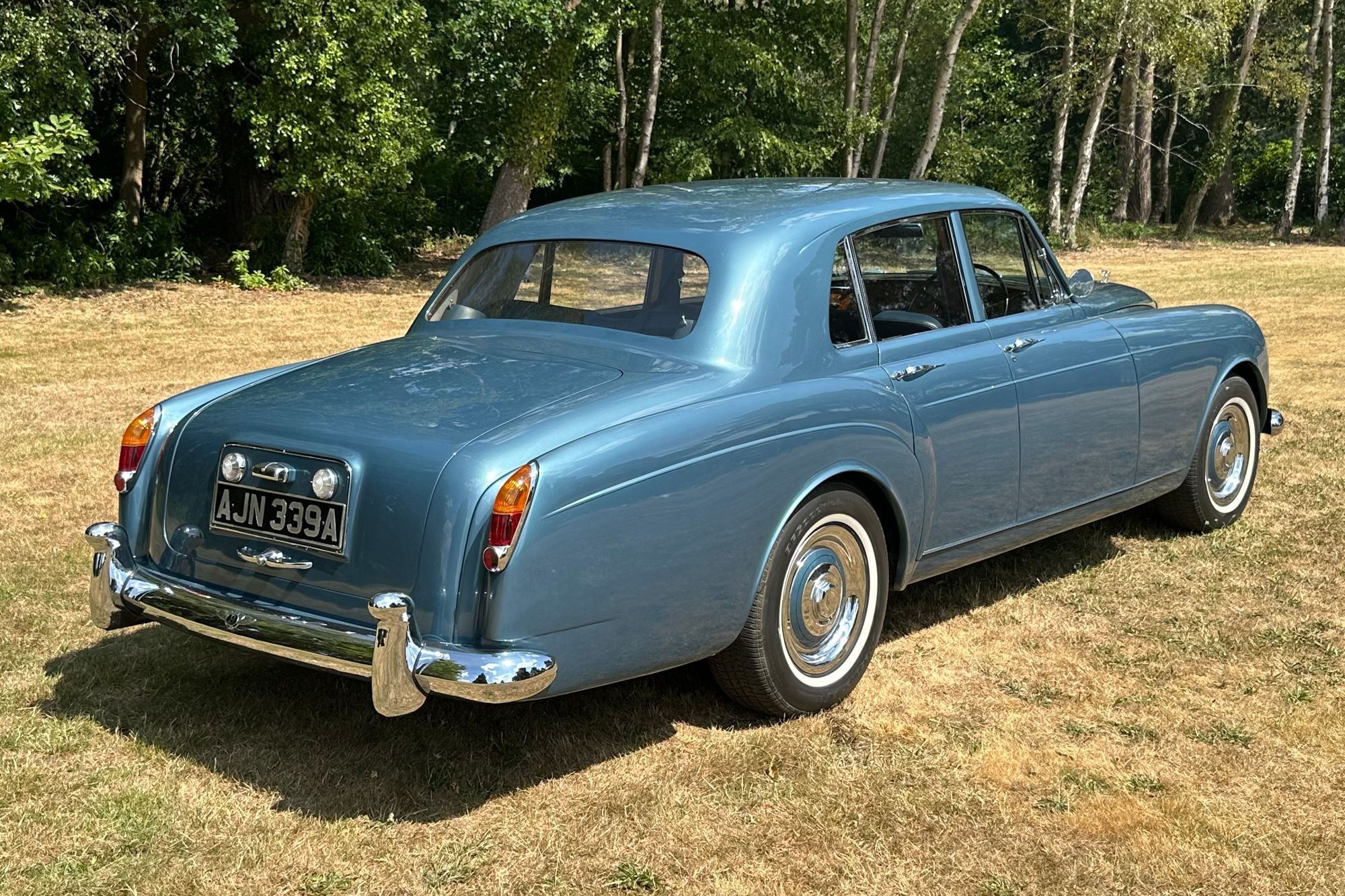
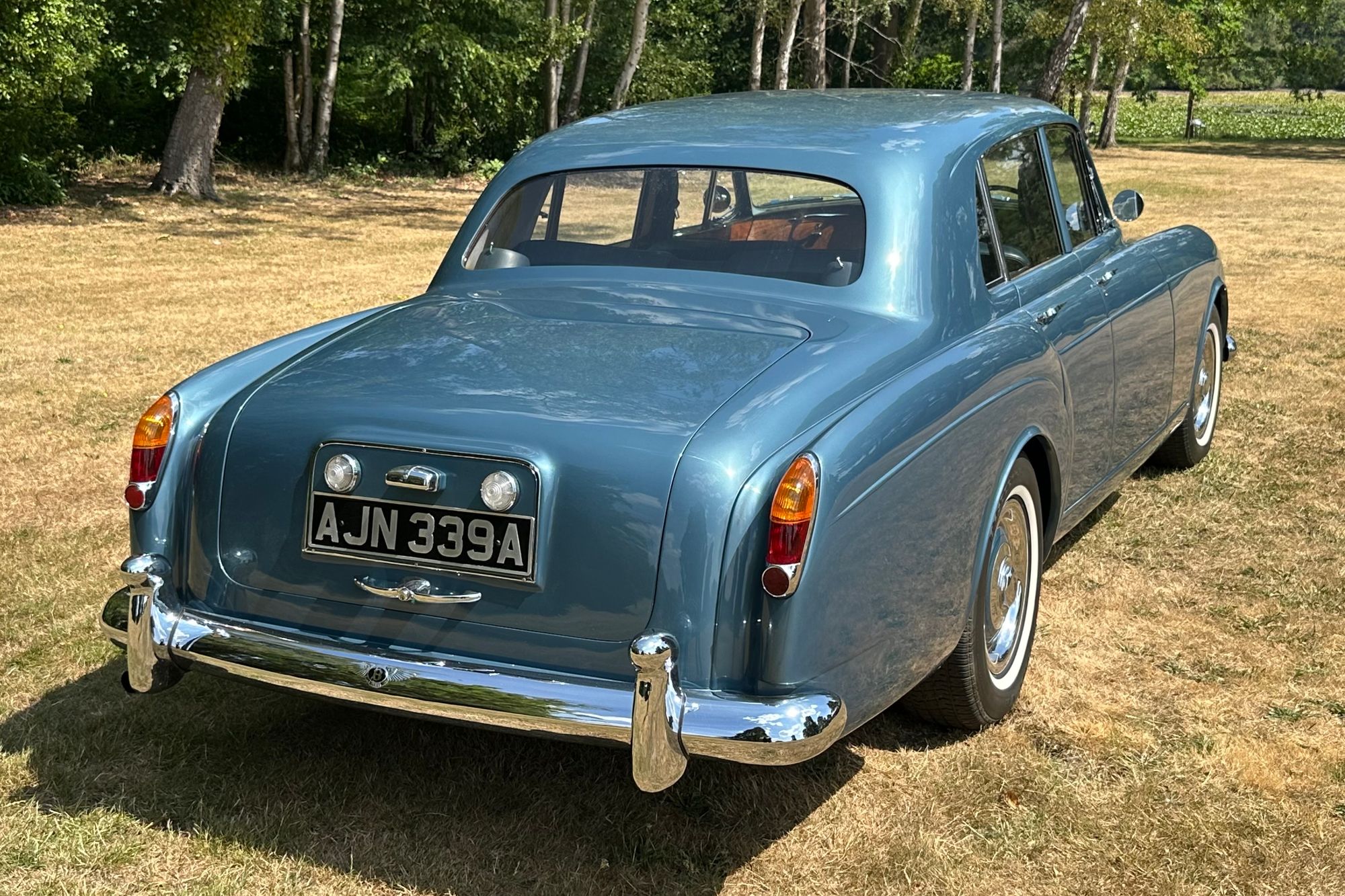
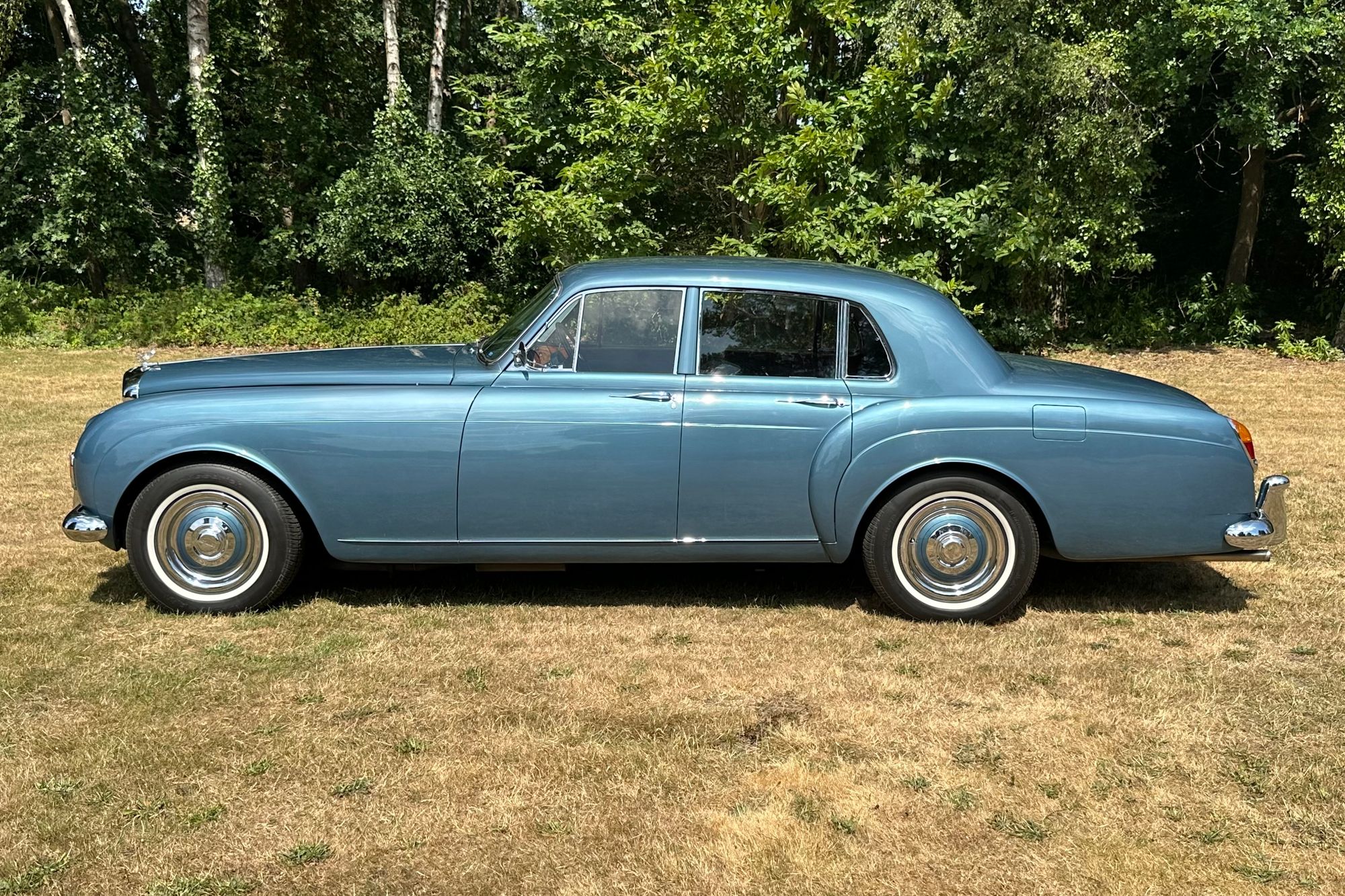
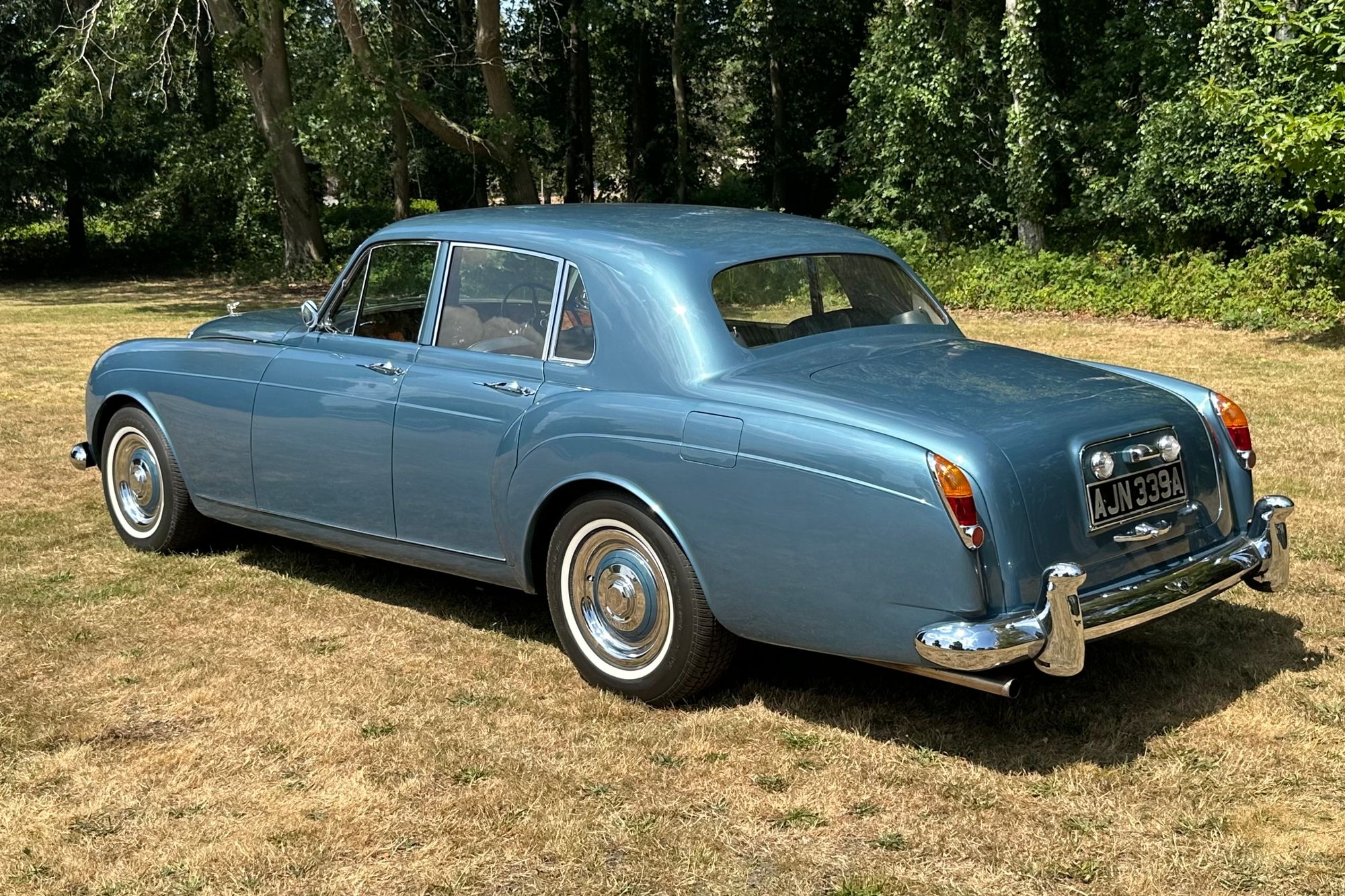
- The first of just two cars built-in right-hand drive to Design No 2011/A
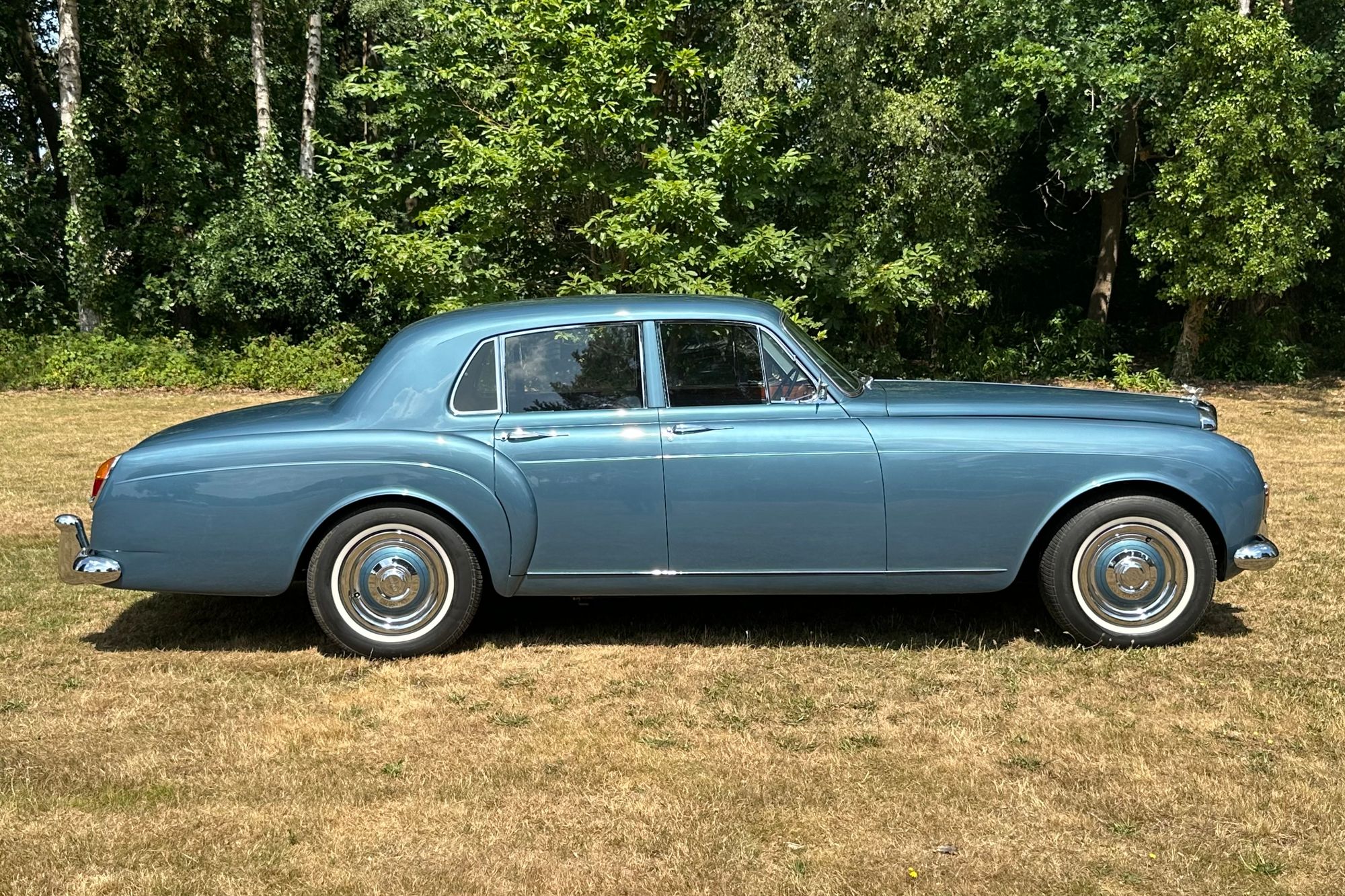
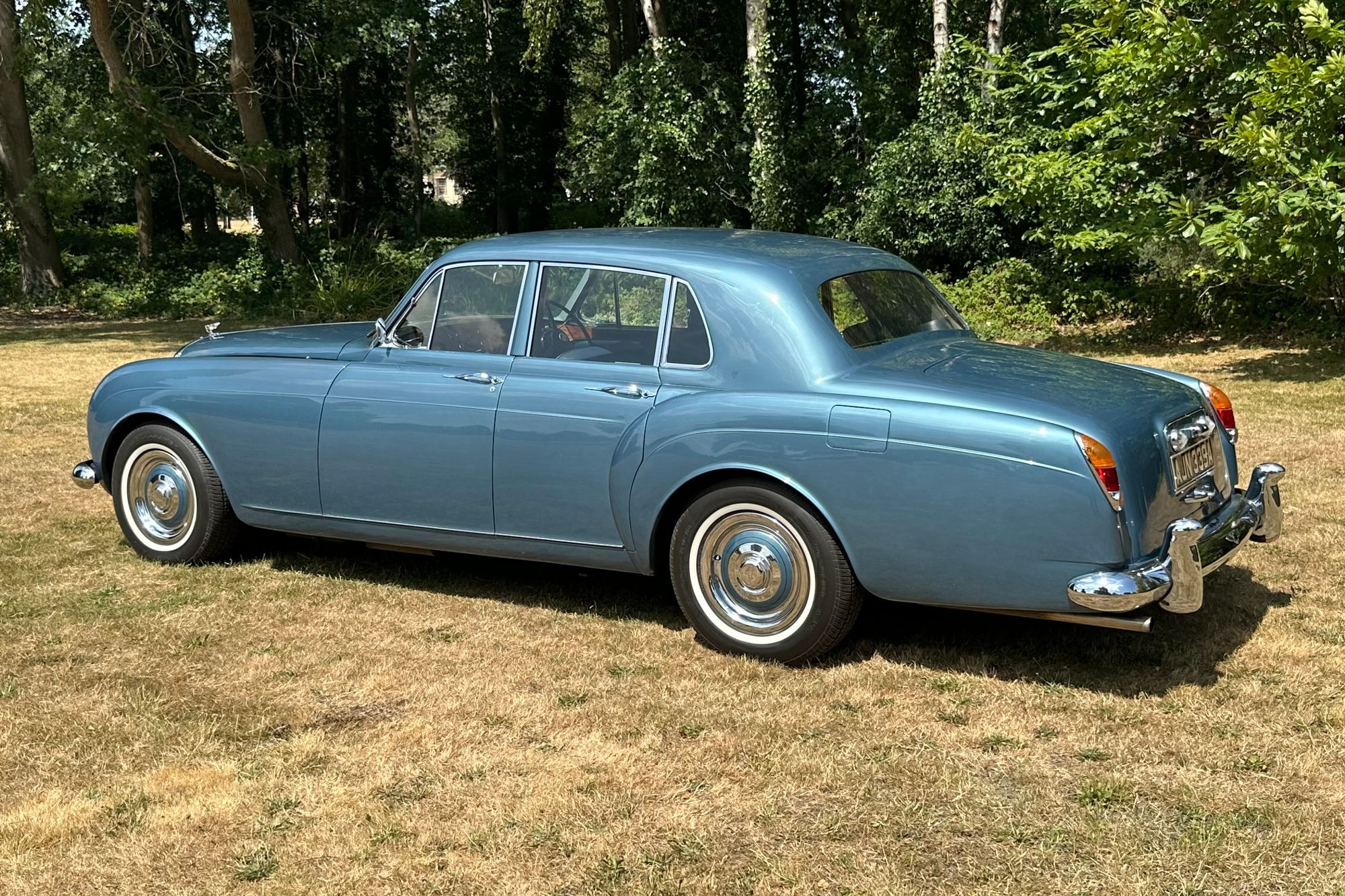
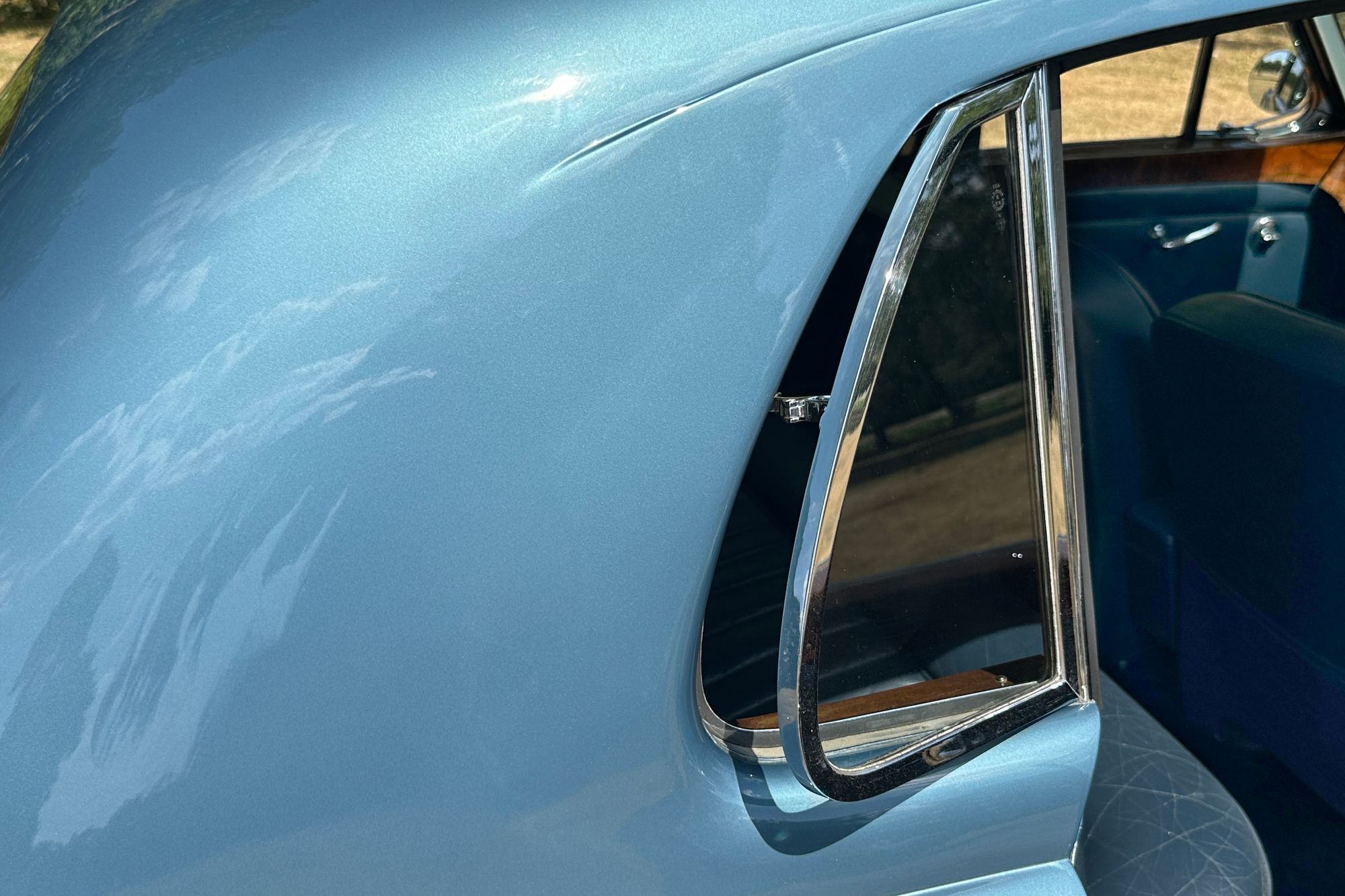
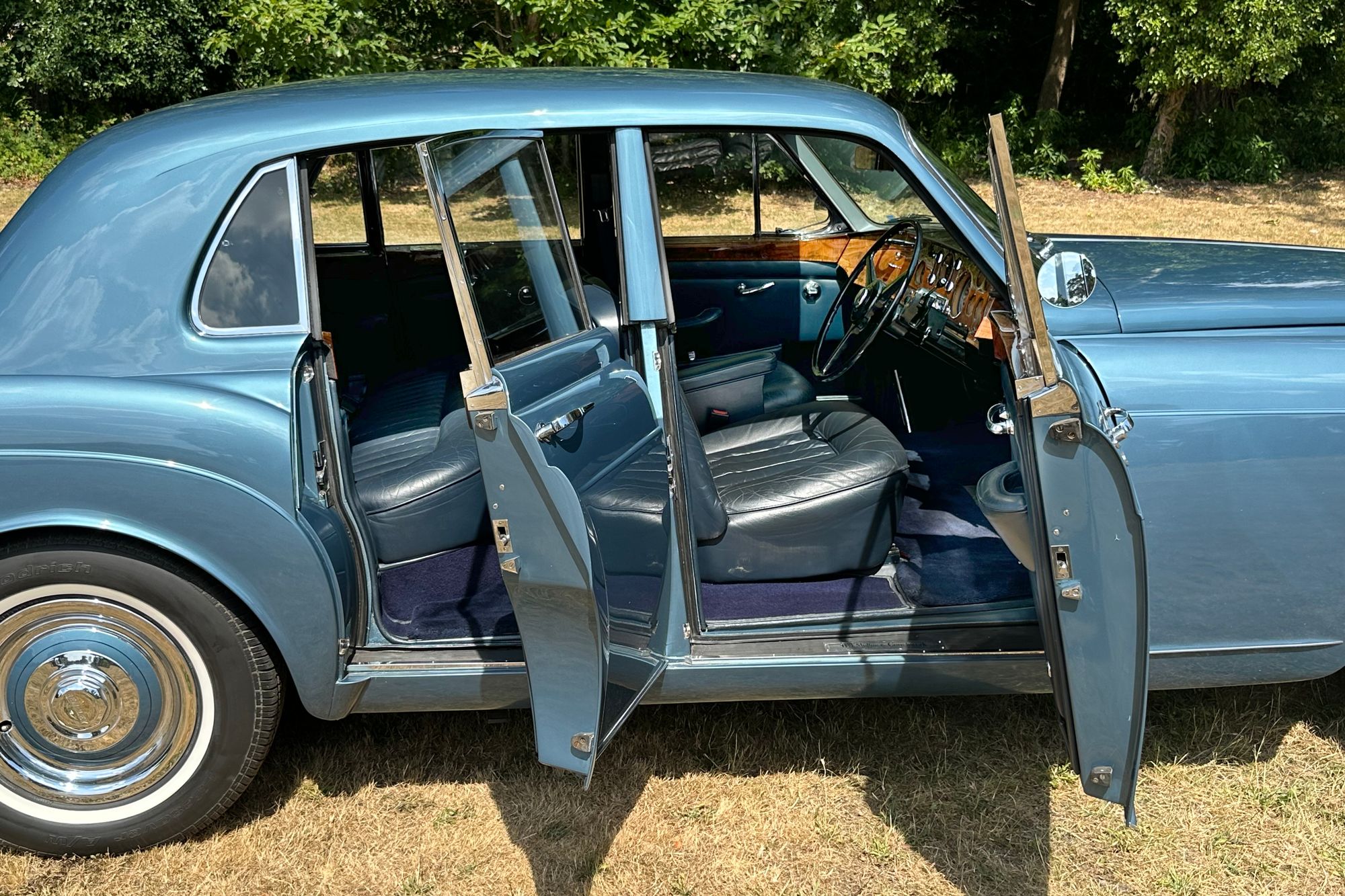
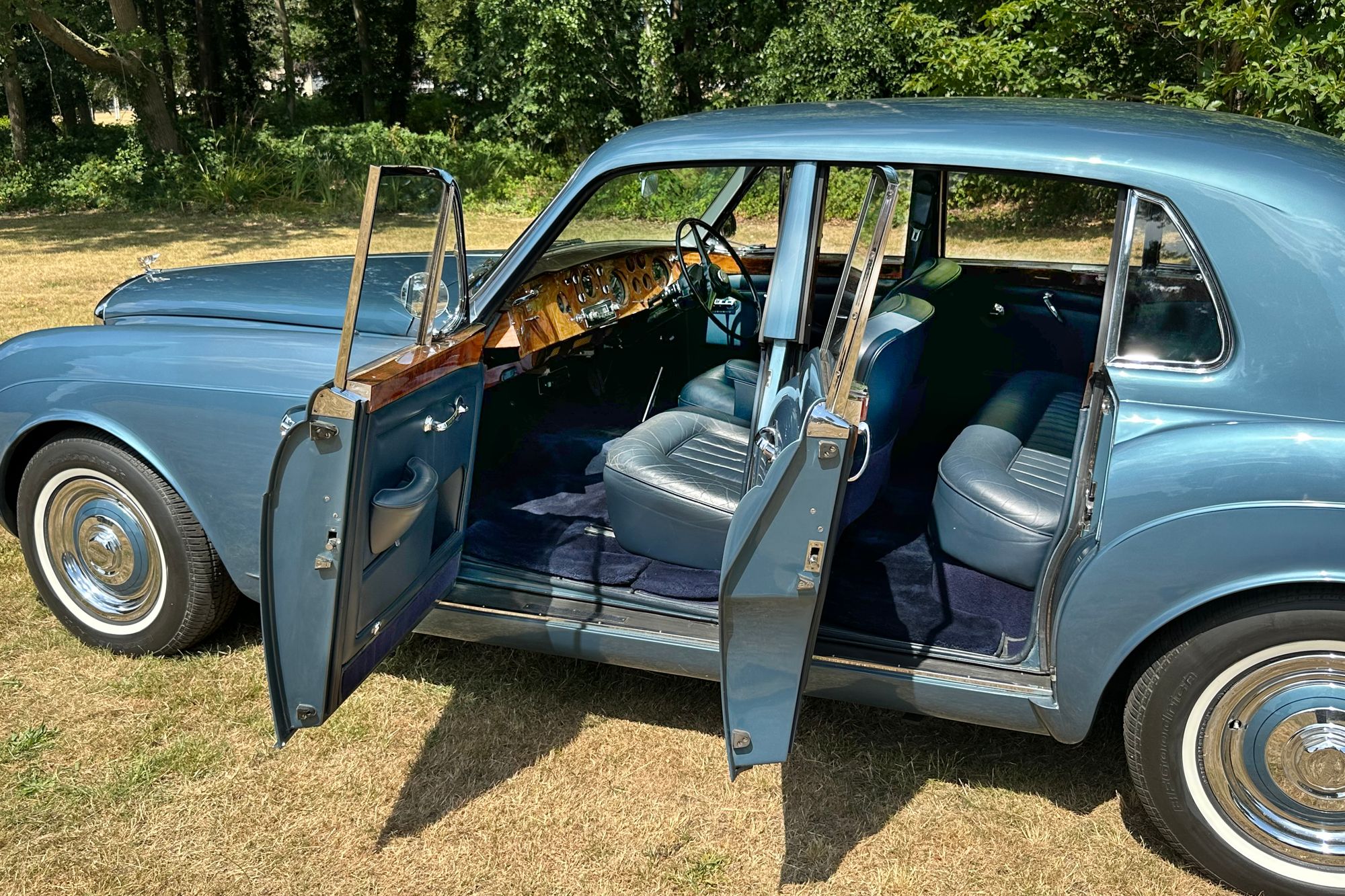
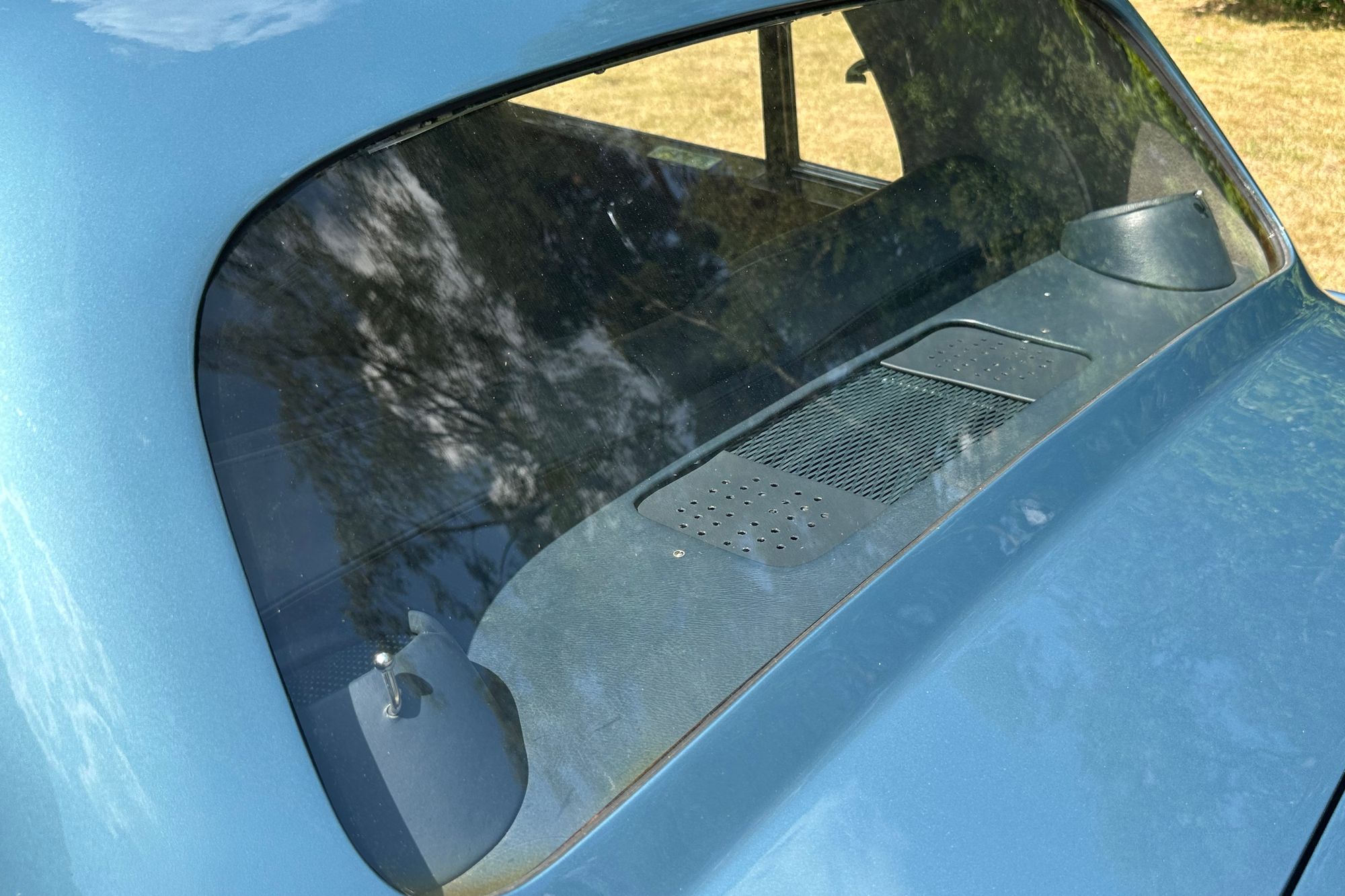
- Featuring a hinged rear quarter light built to the “Van Gerbig” design
- Full ownership is known from new to present day
- Purchased by the present owner in 2013
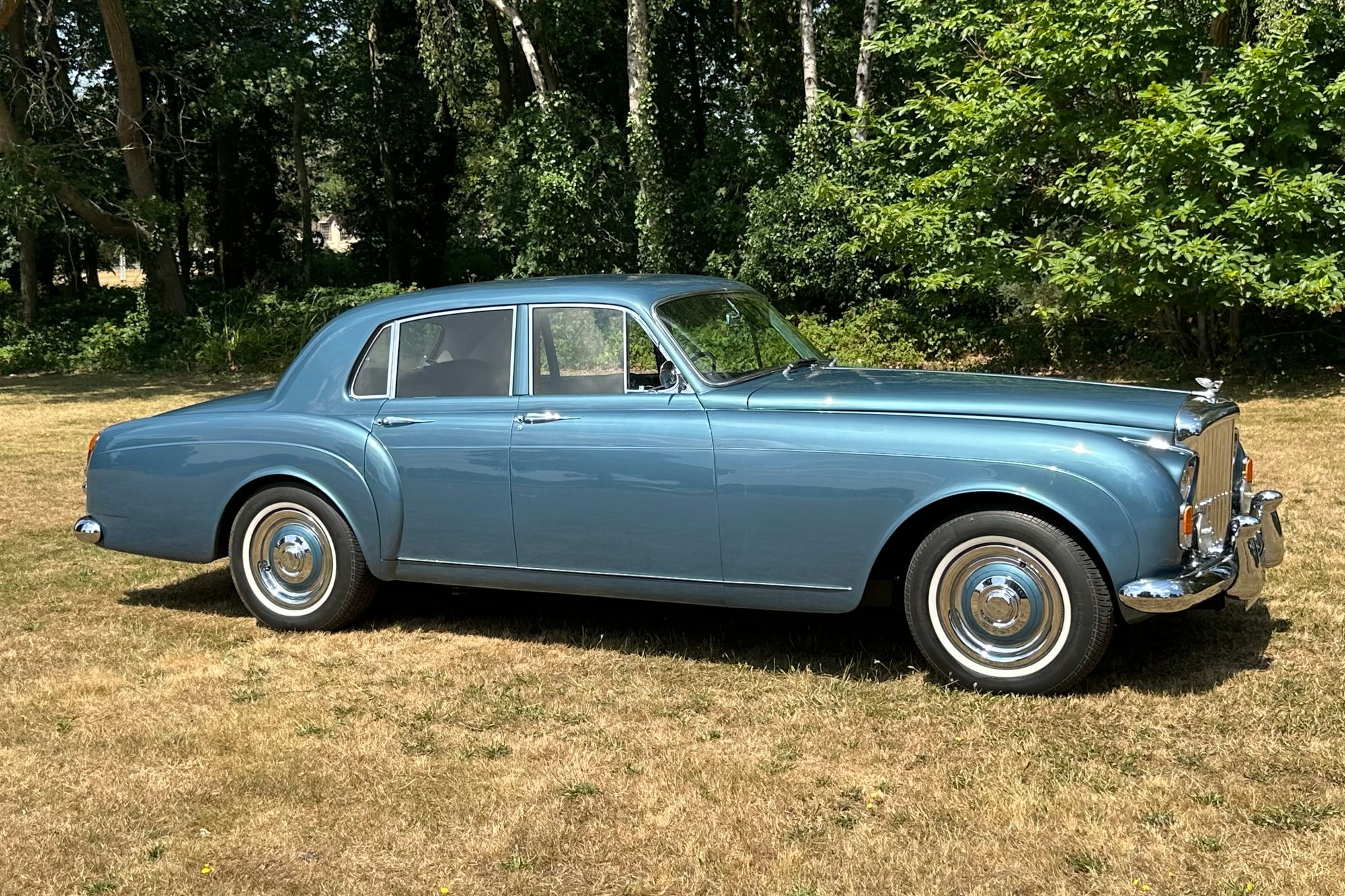
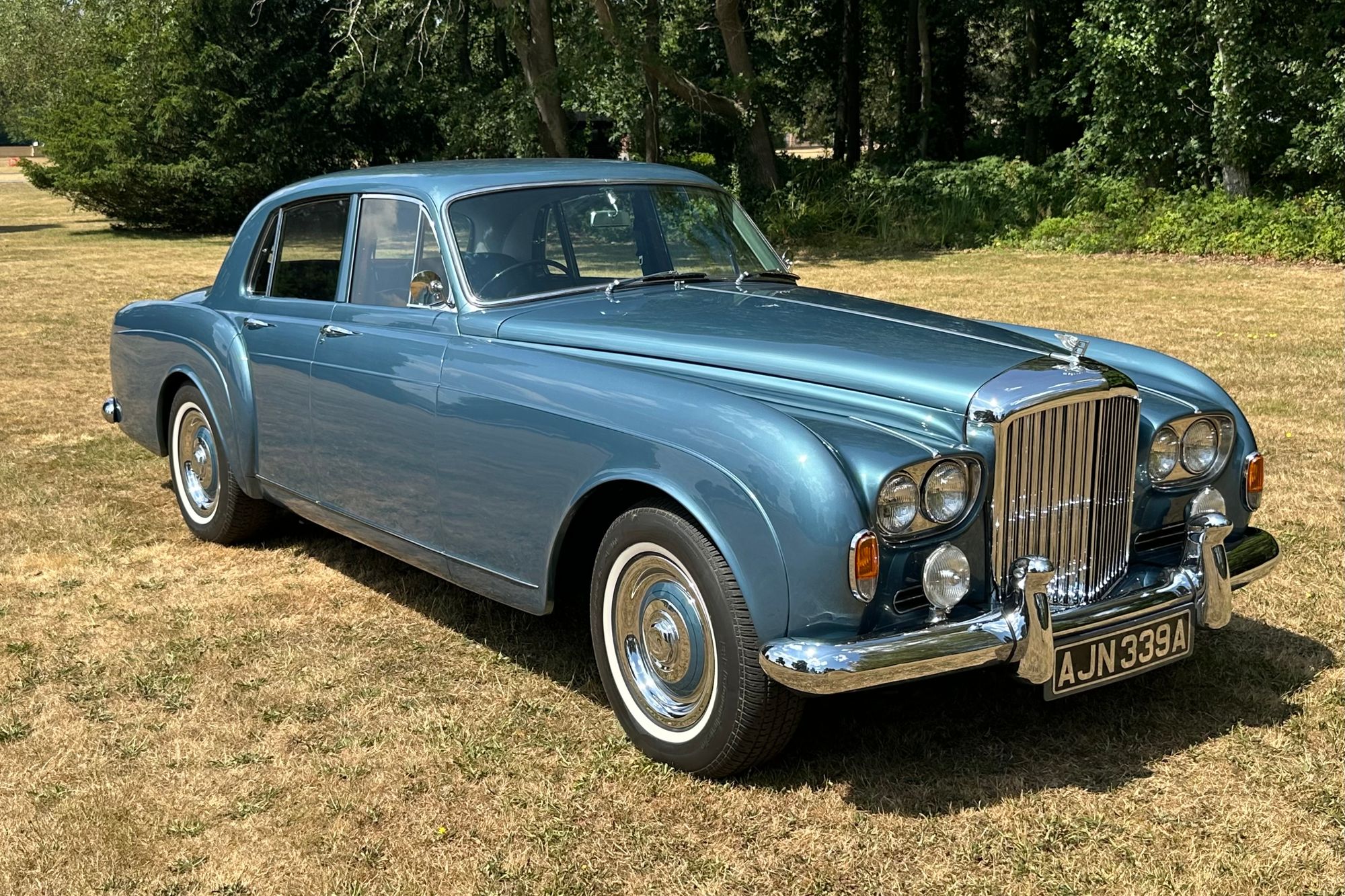
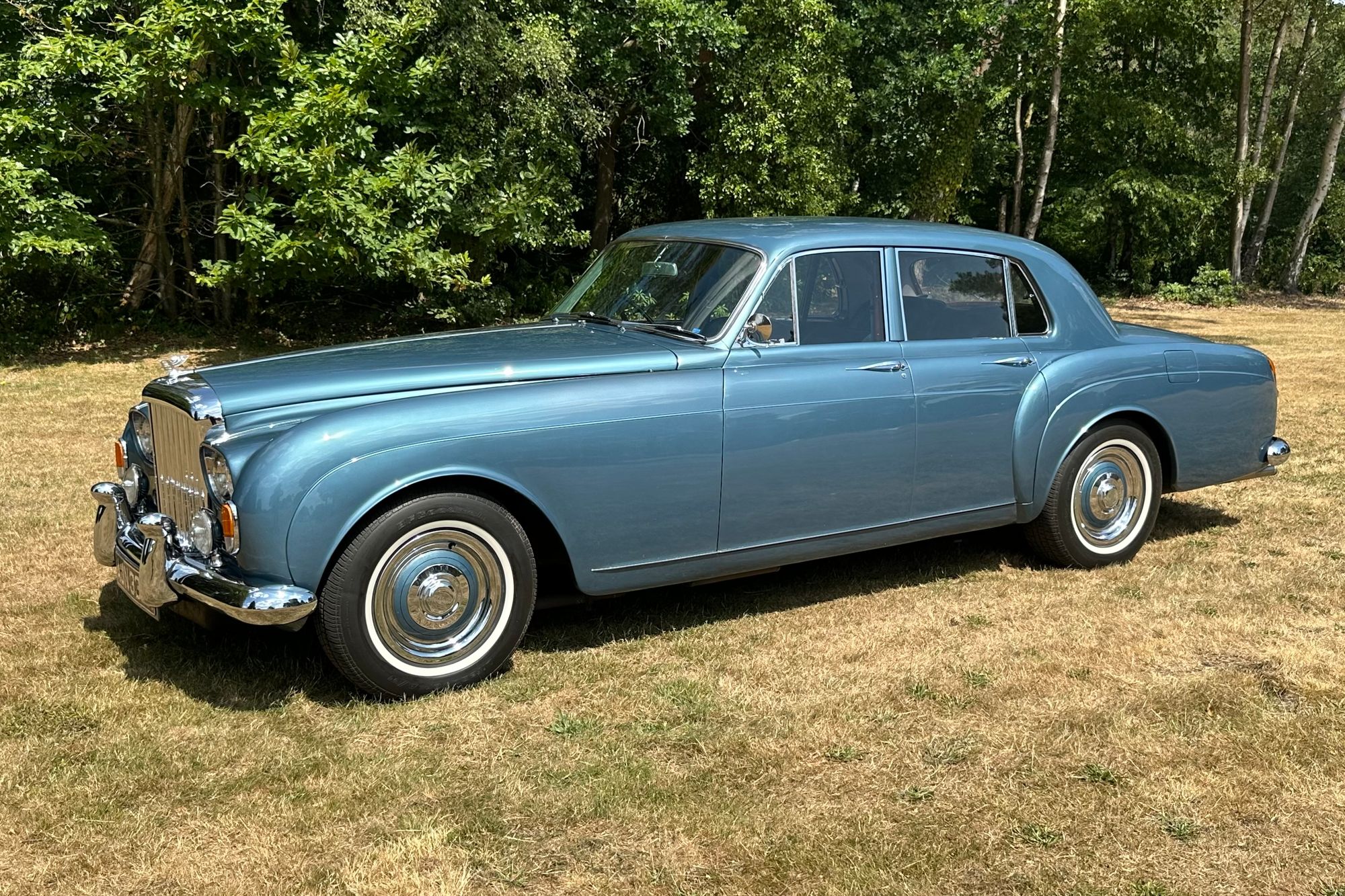
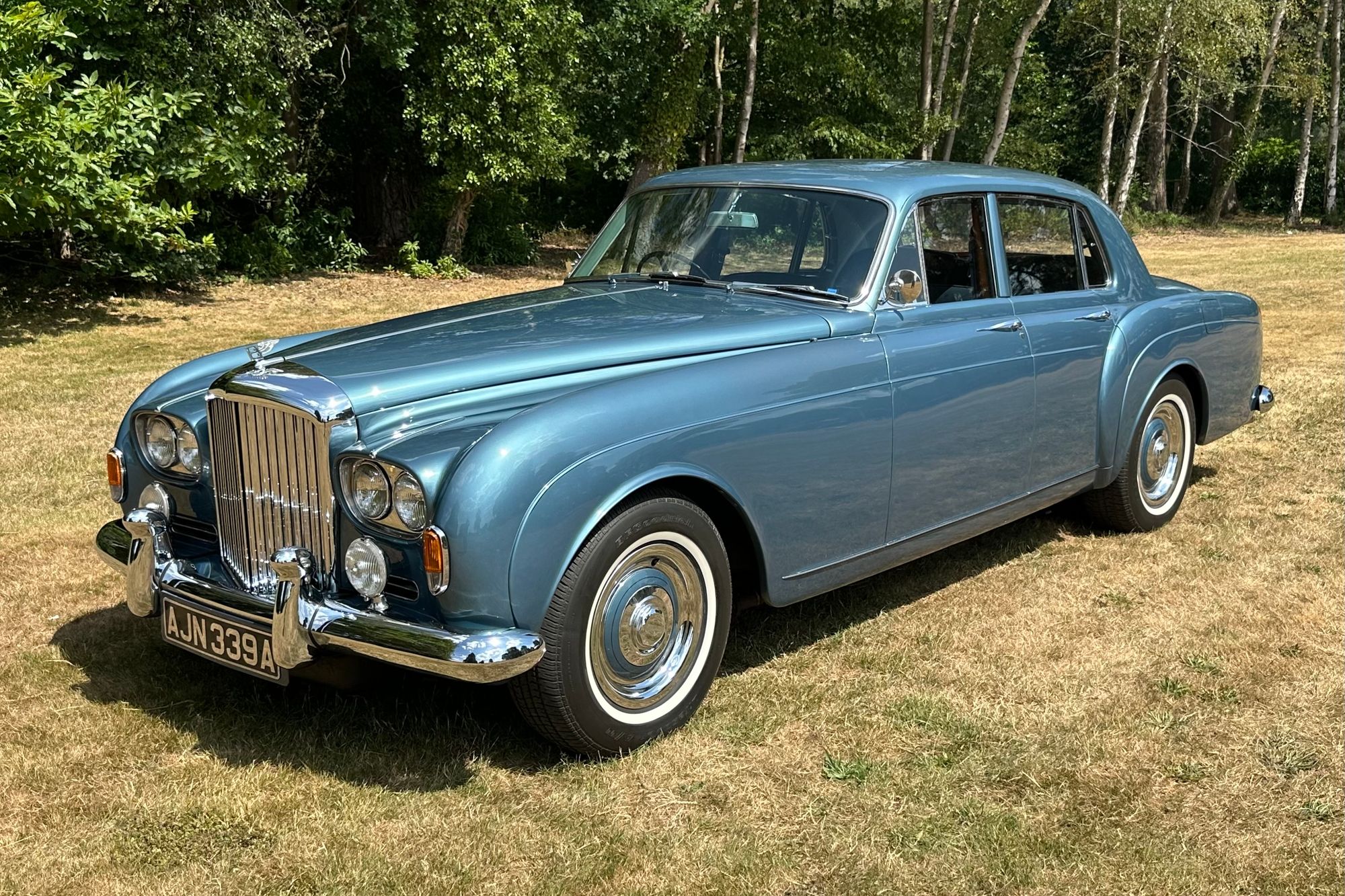
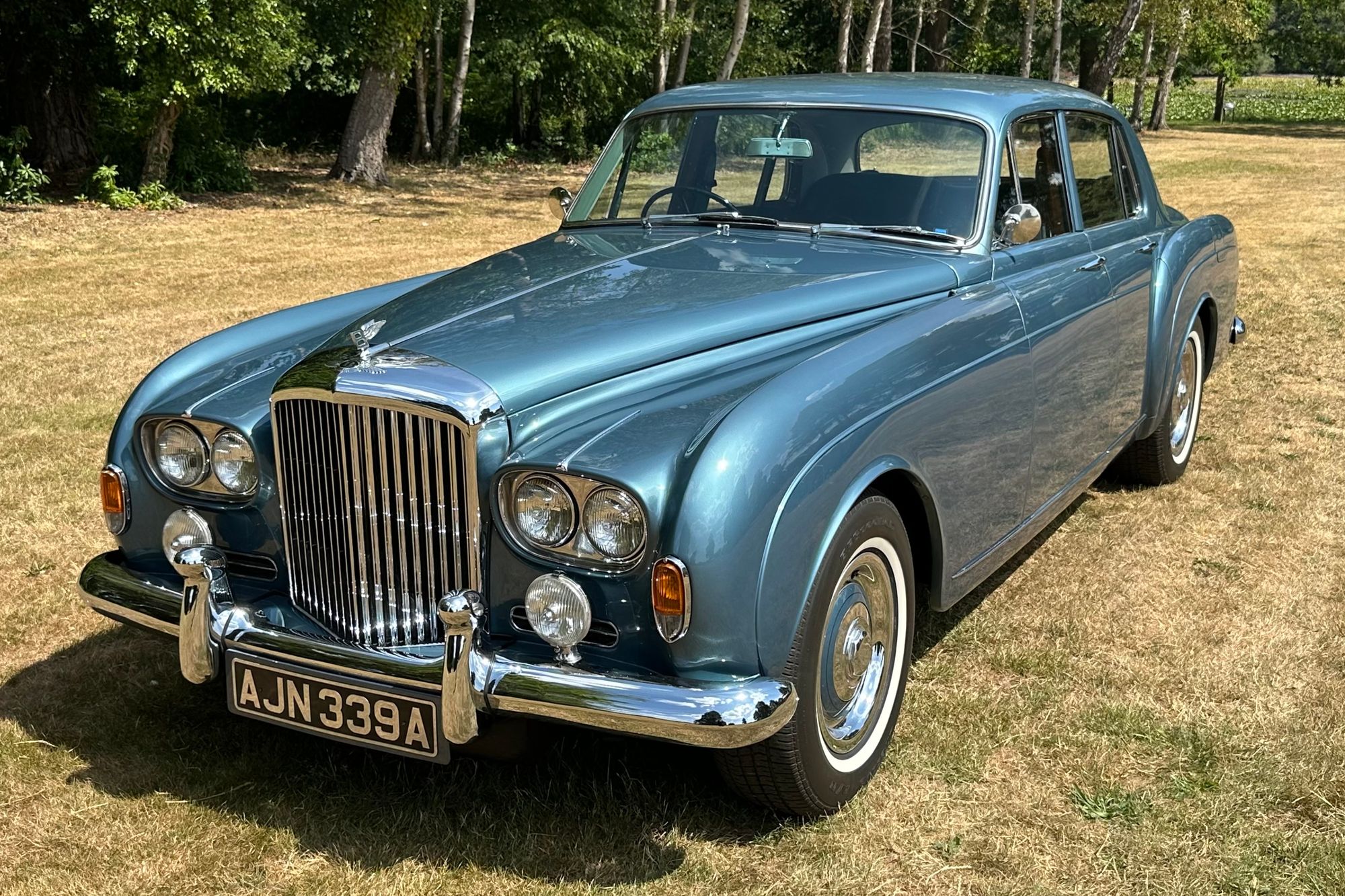
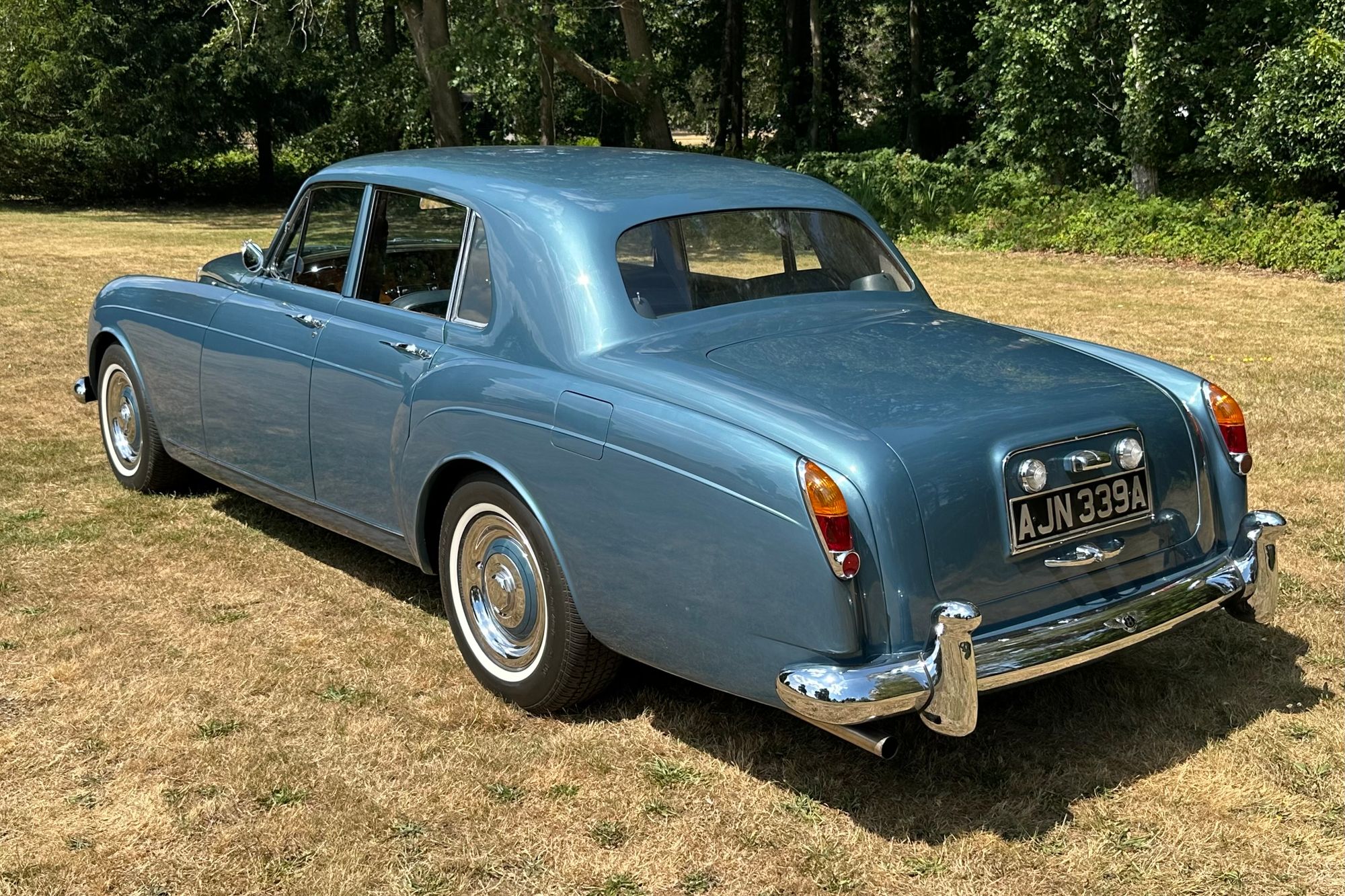
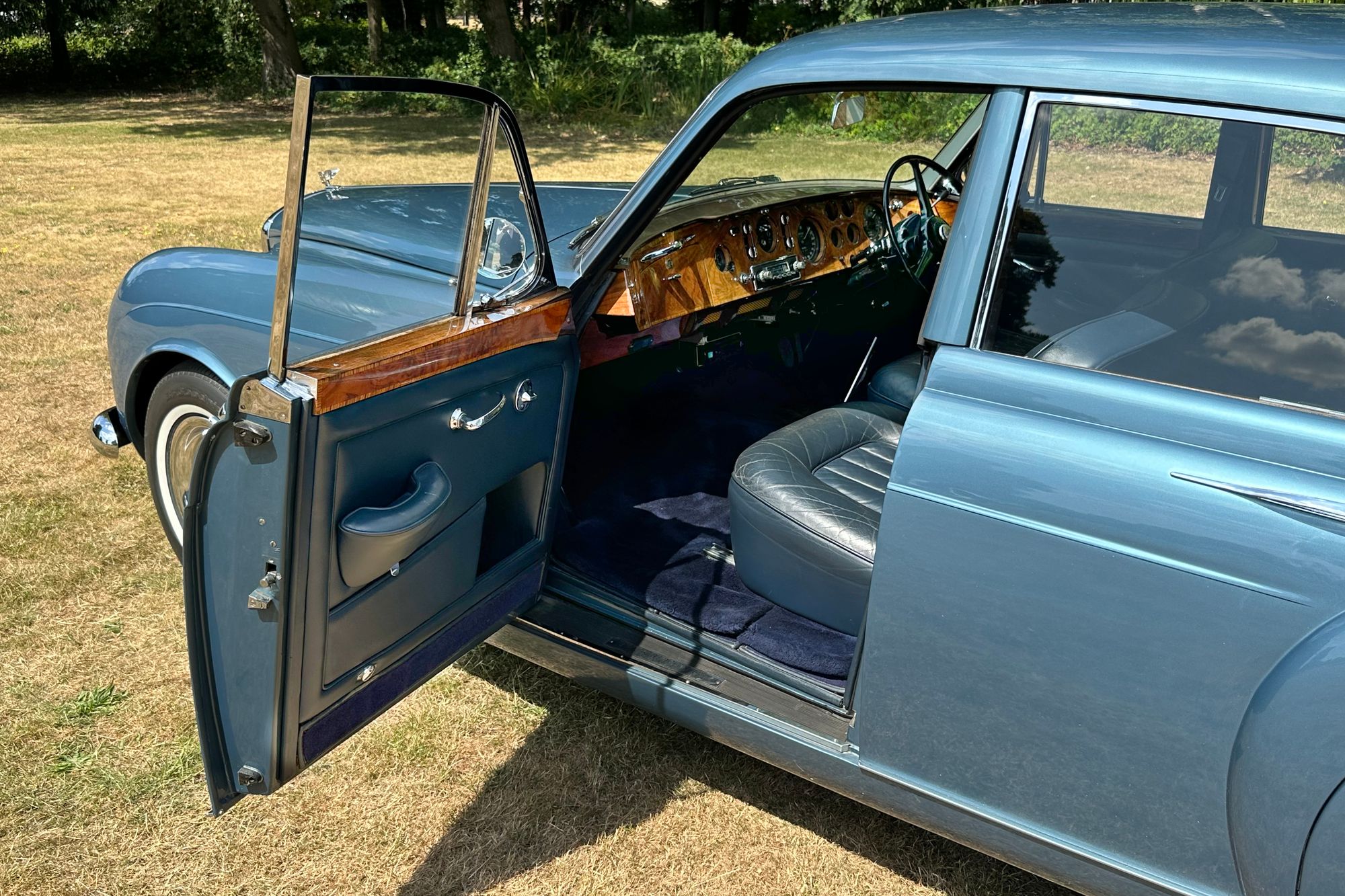
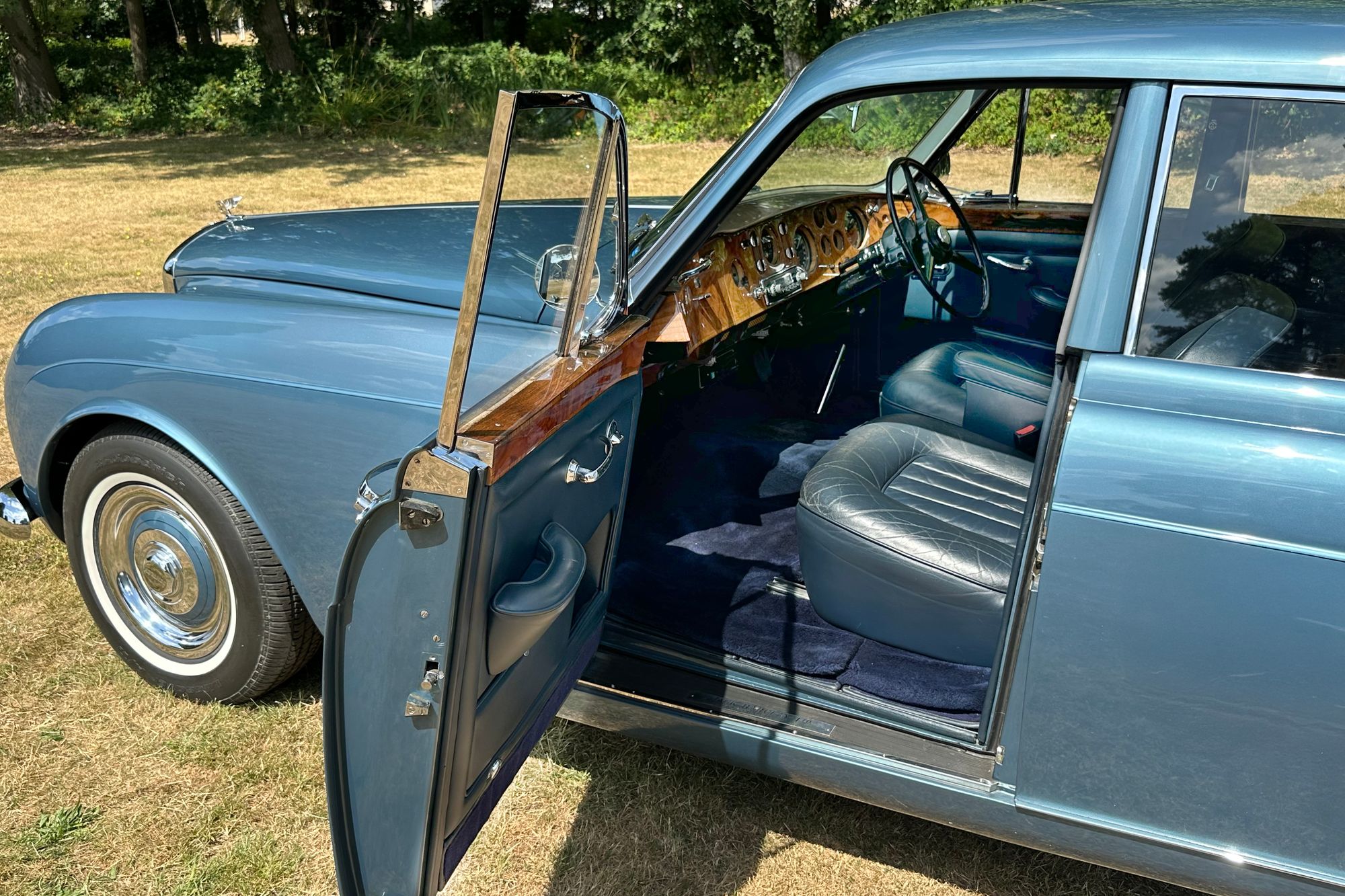
- Finished in a very attractive colour scheme
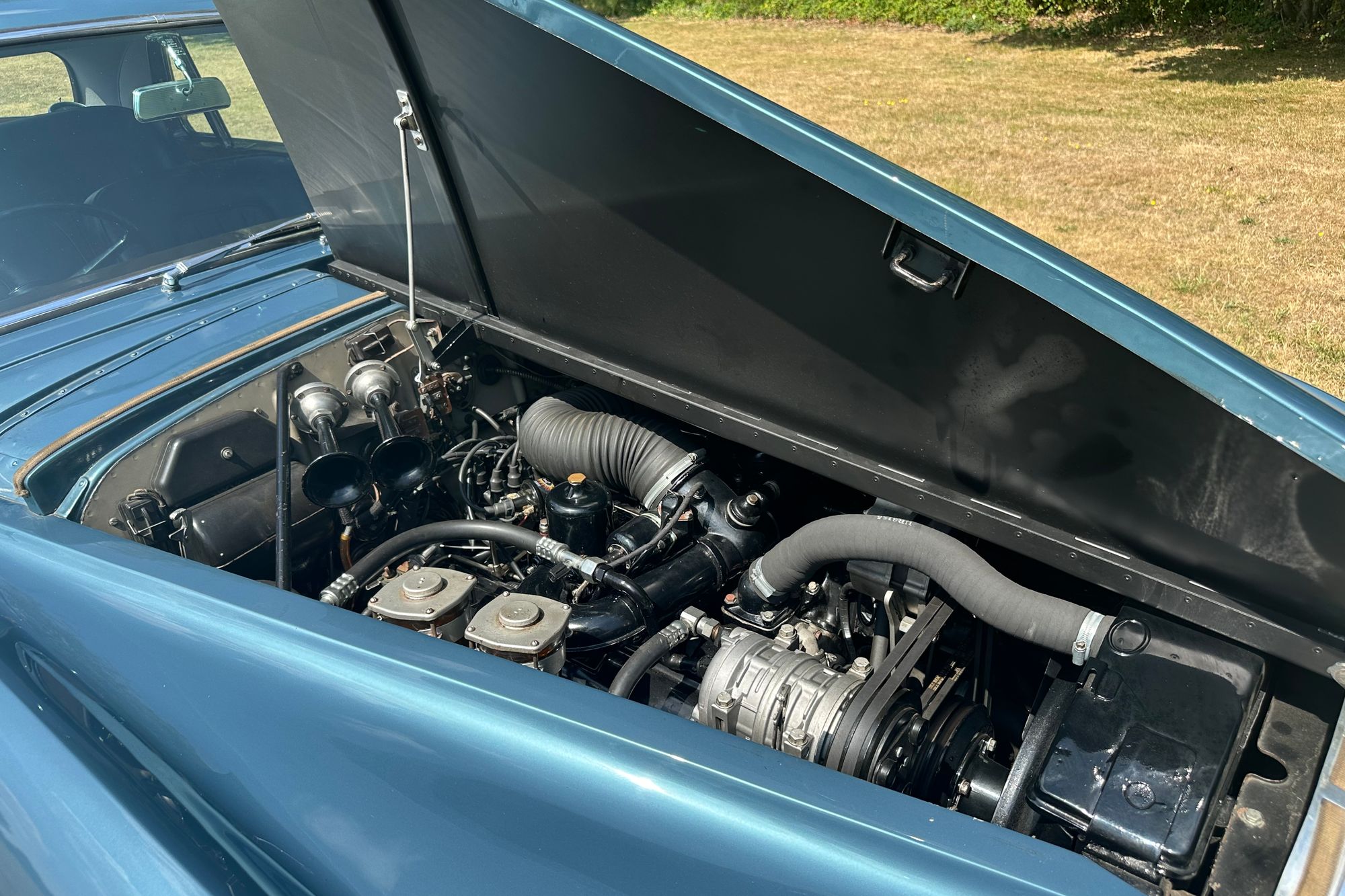
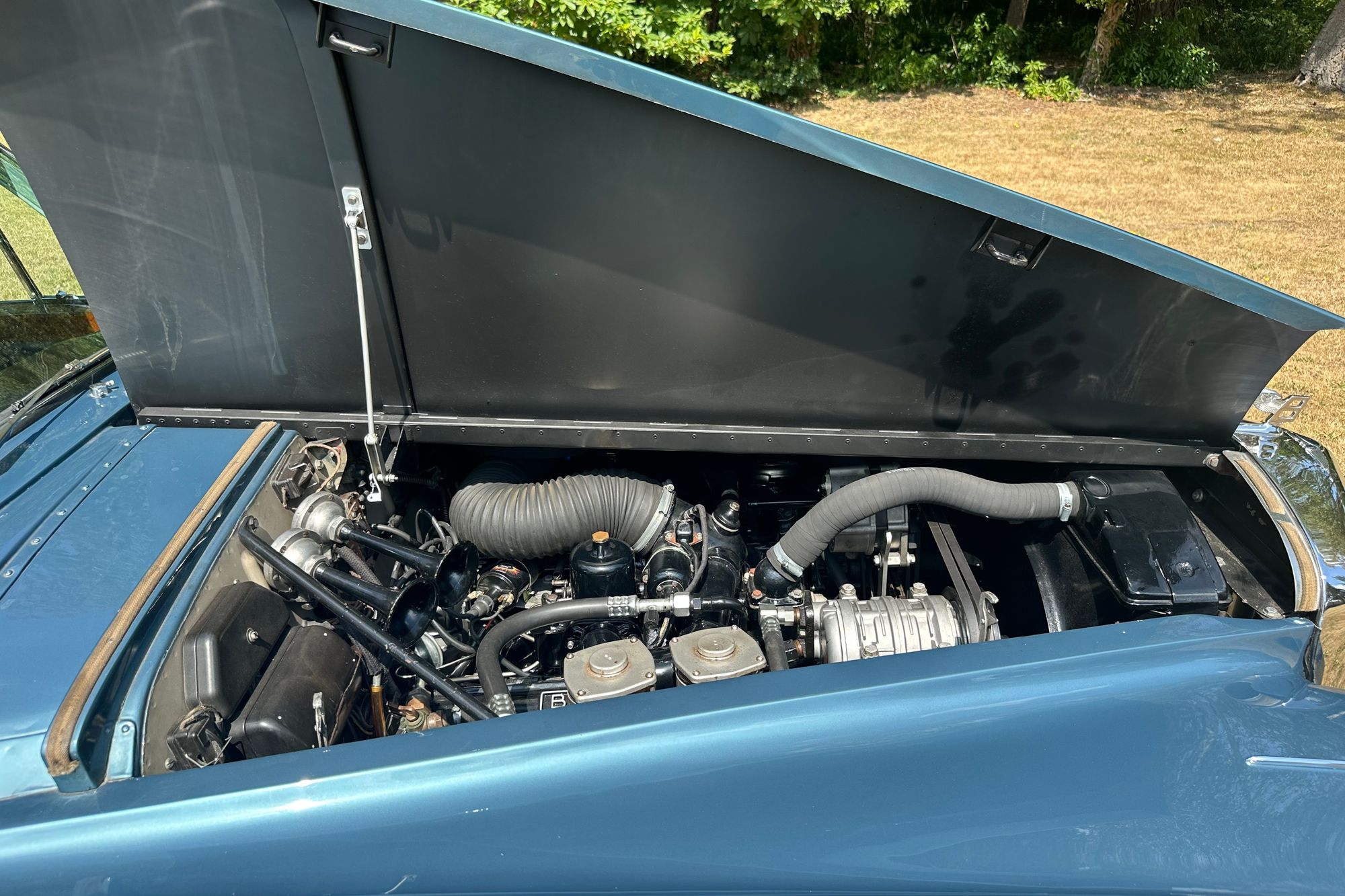
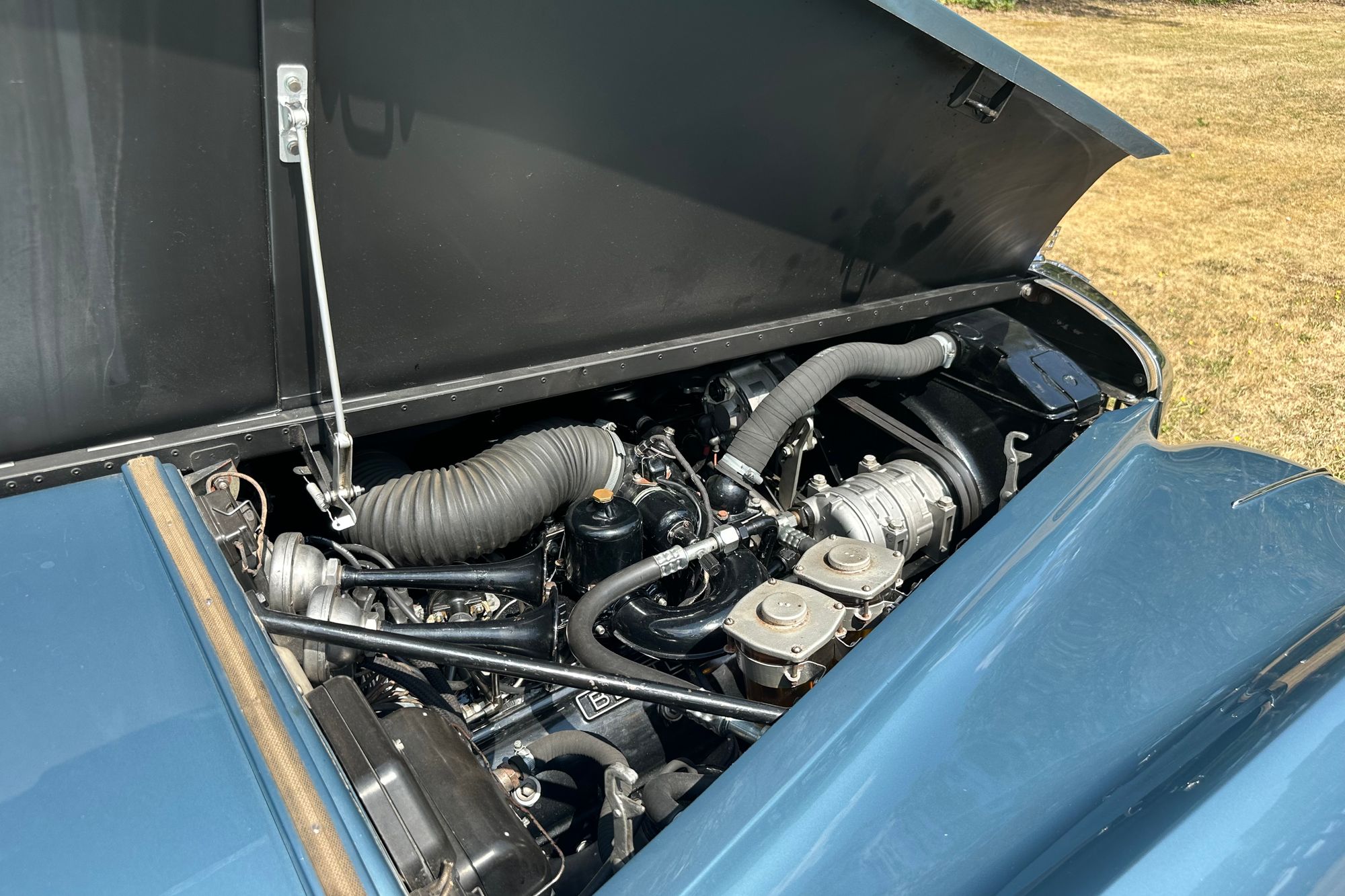
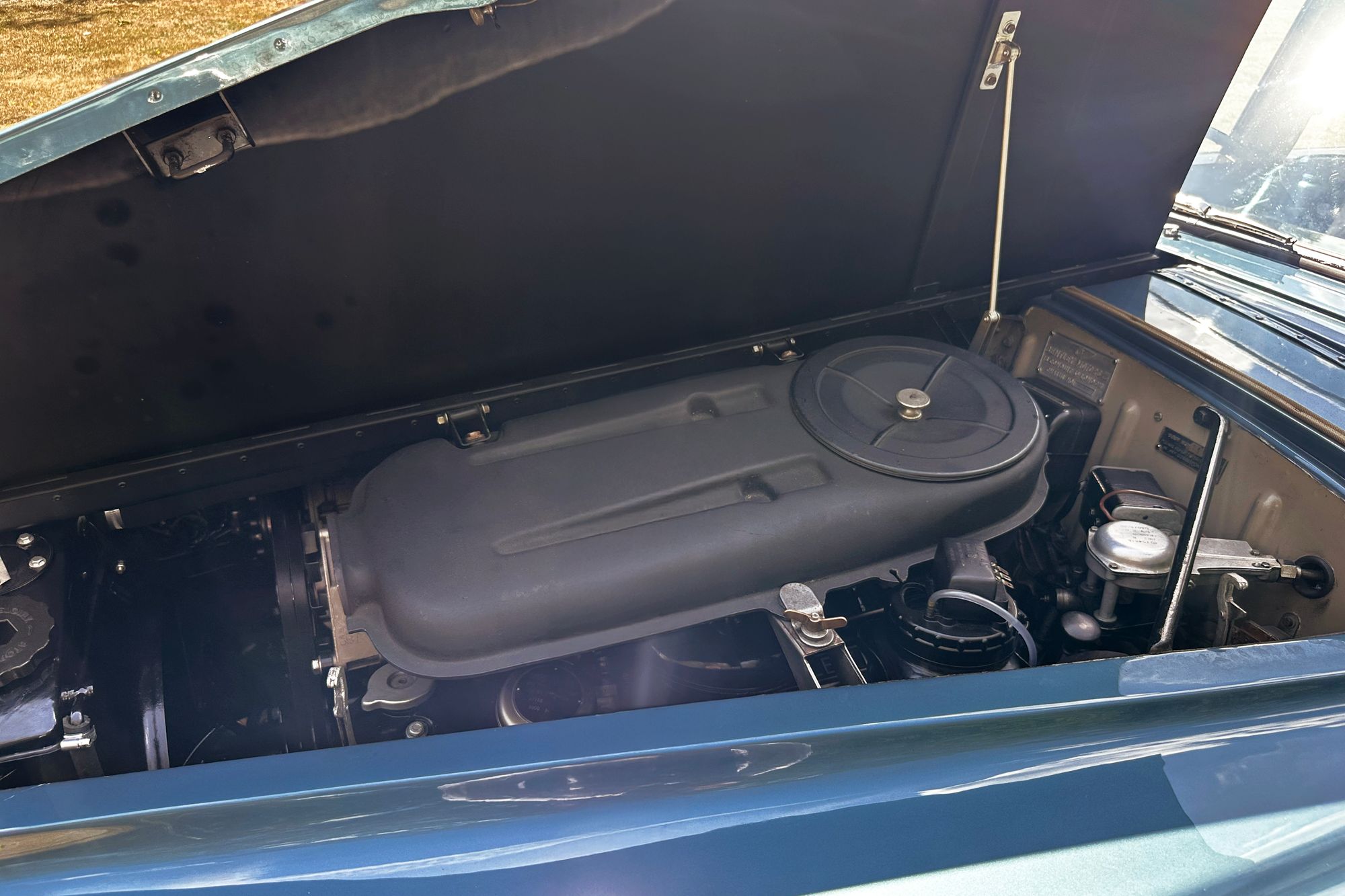
- Recent engine overhaul carried out around 500 miles ago
- Complete with all tools (small and large)
- Recently reviewed and prepared by our workshop team
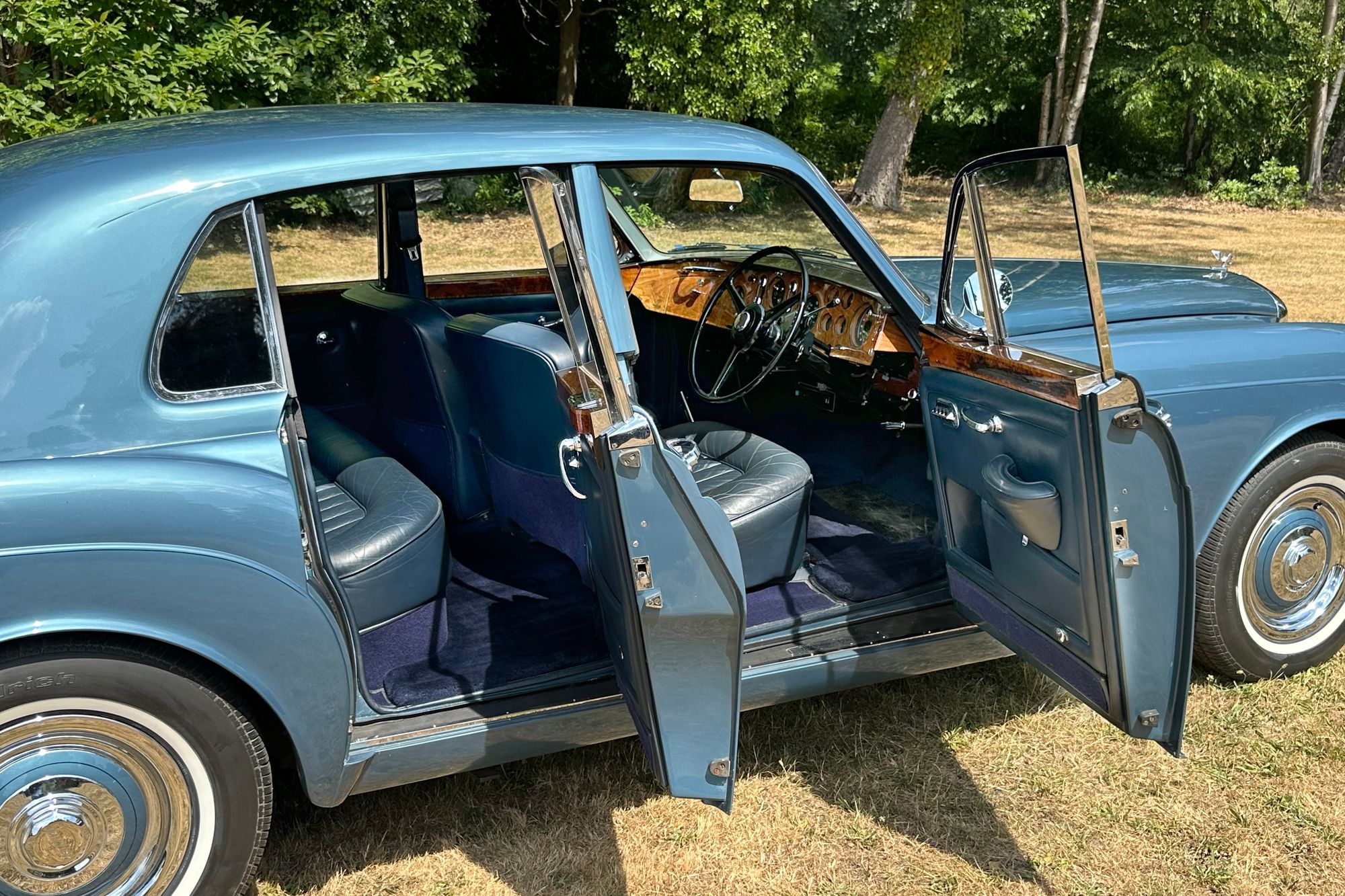
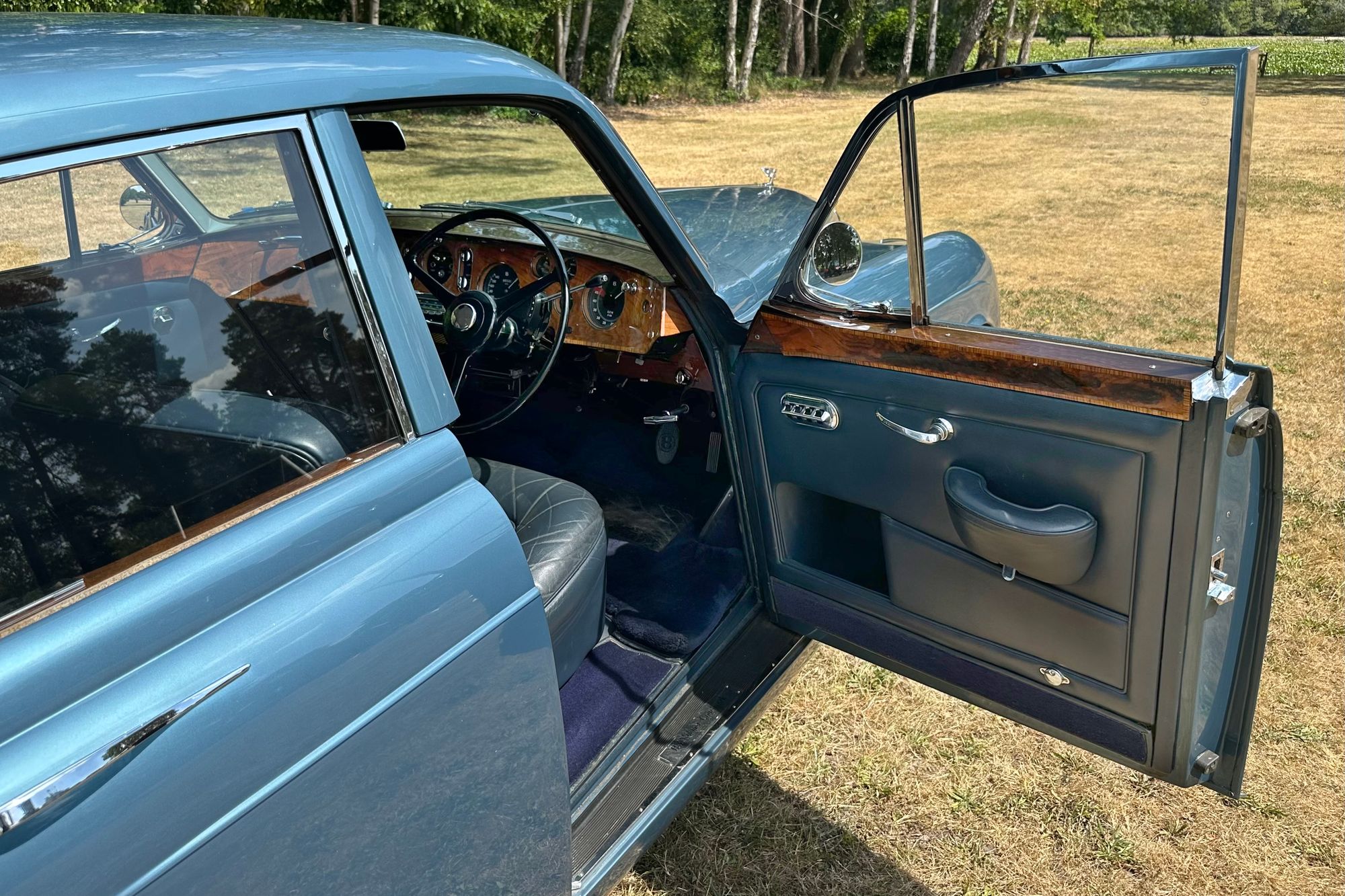
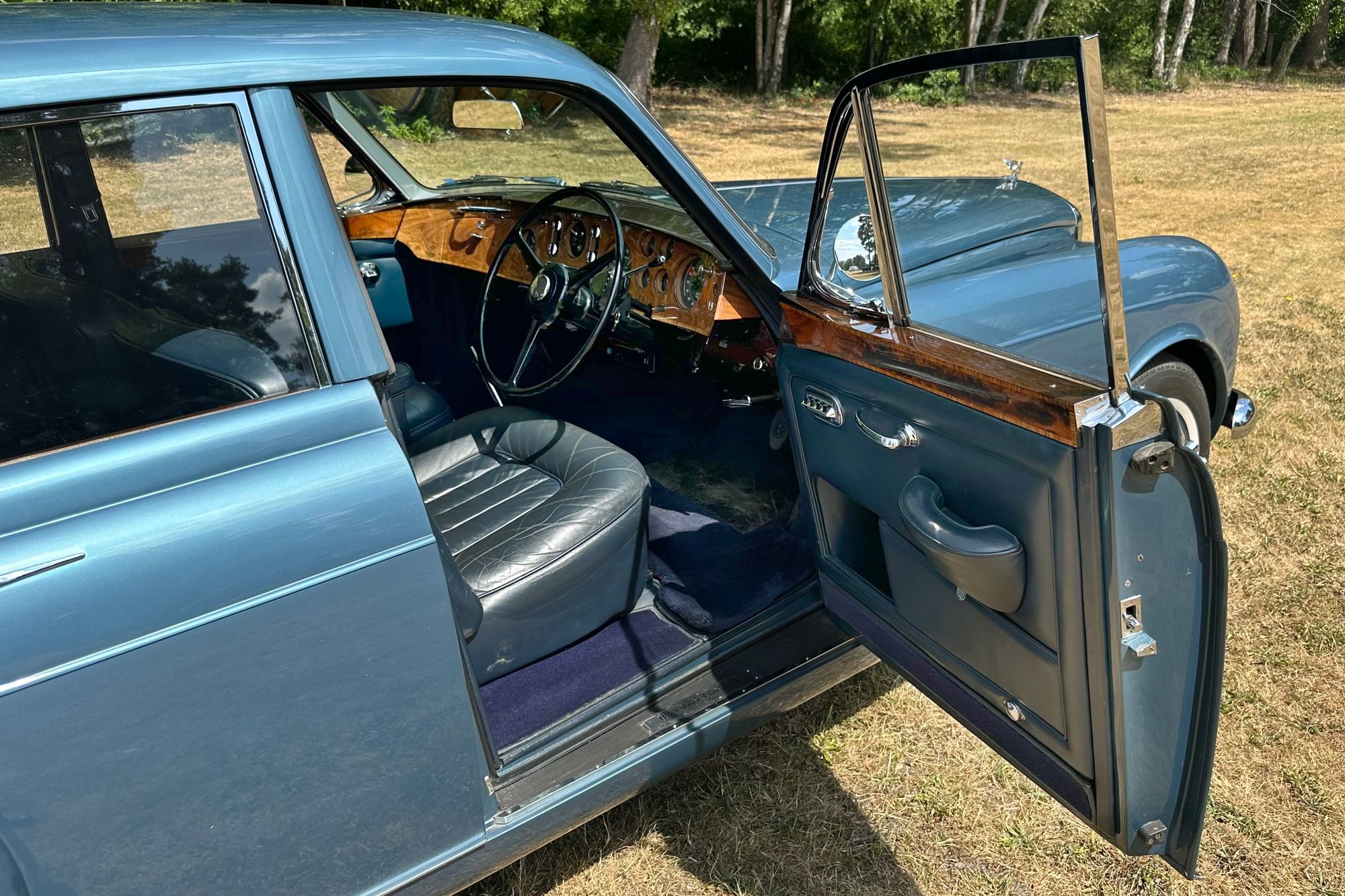
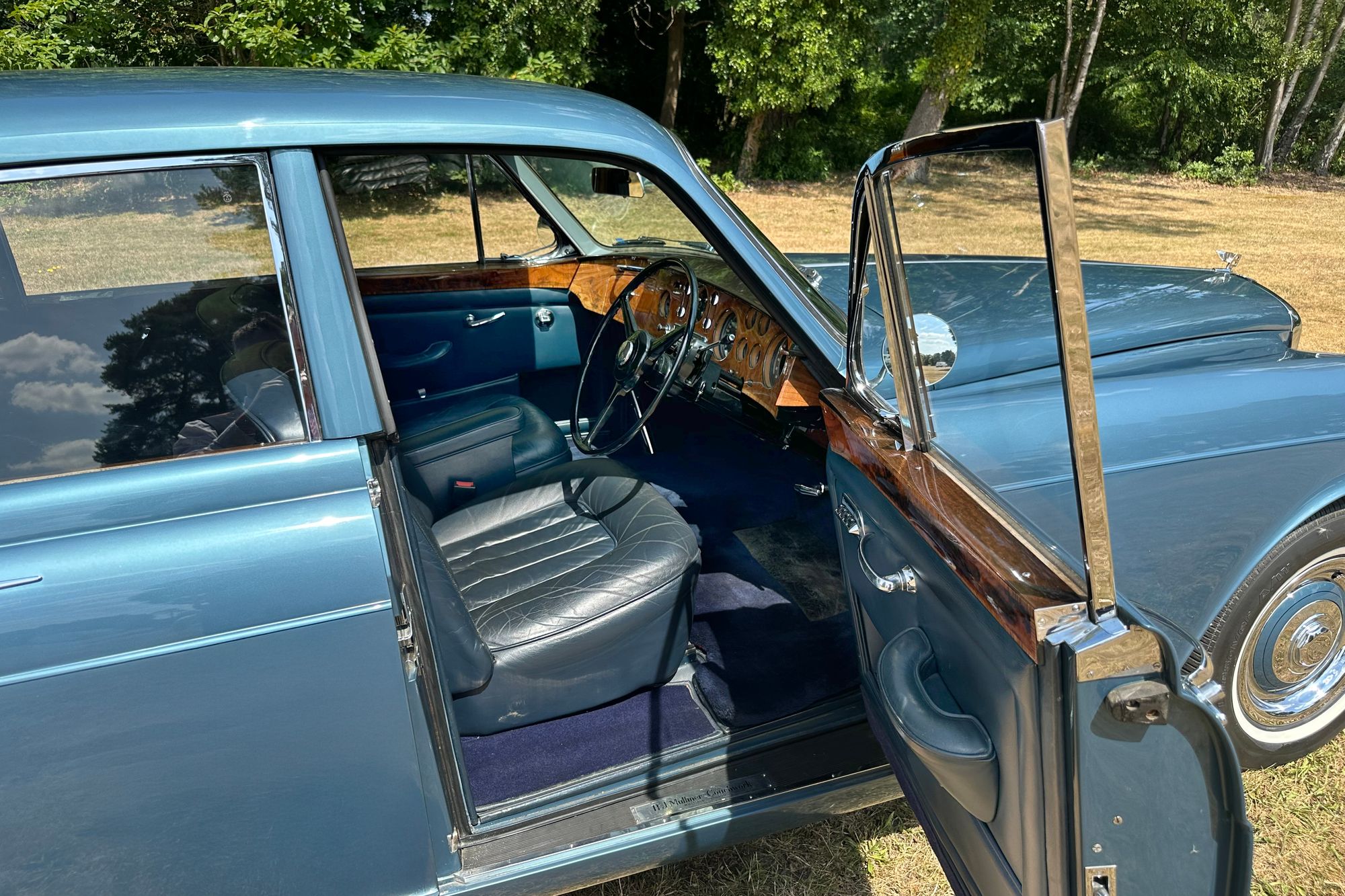
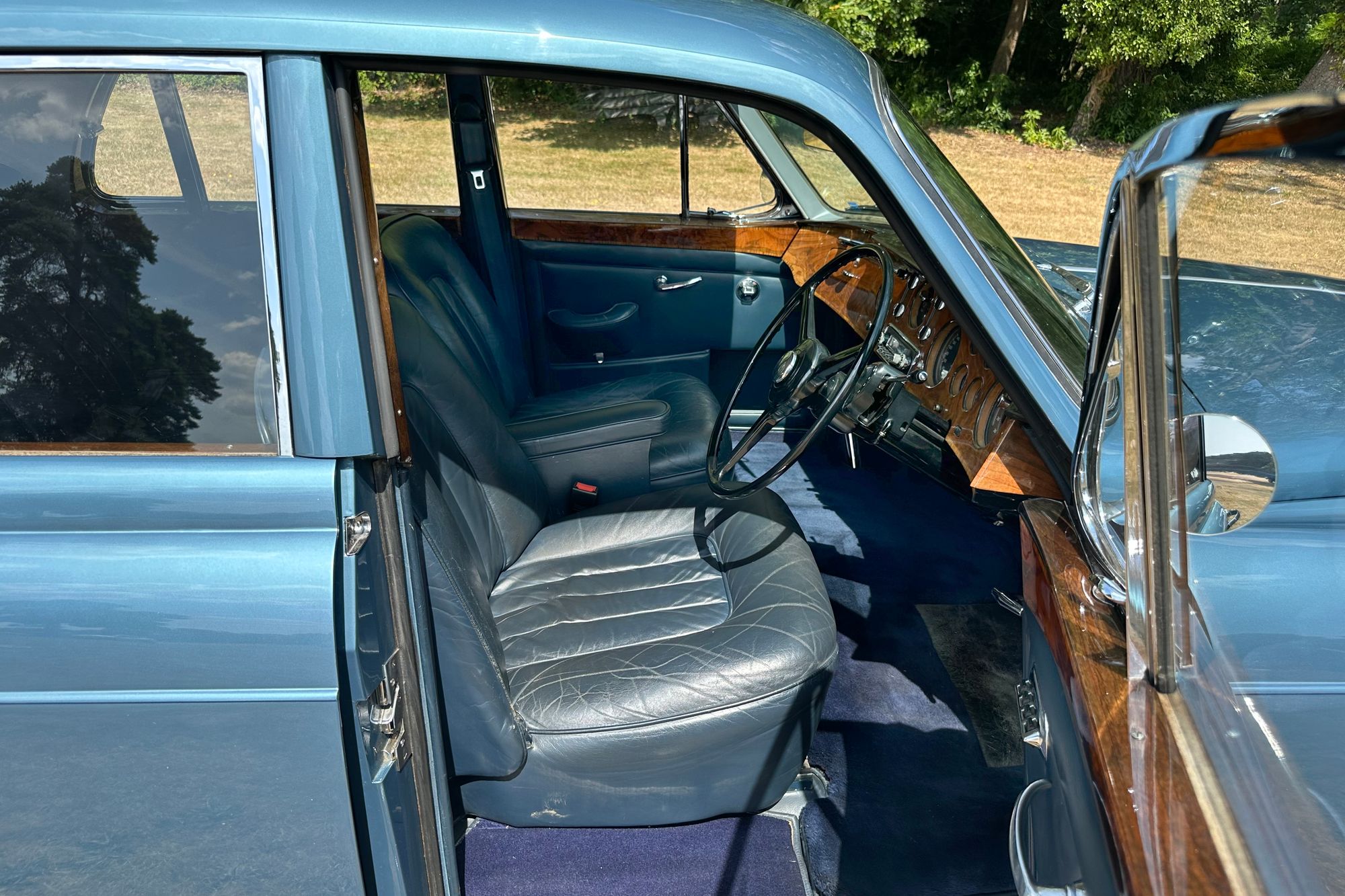
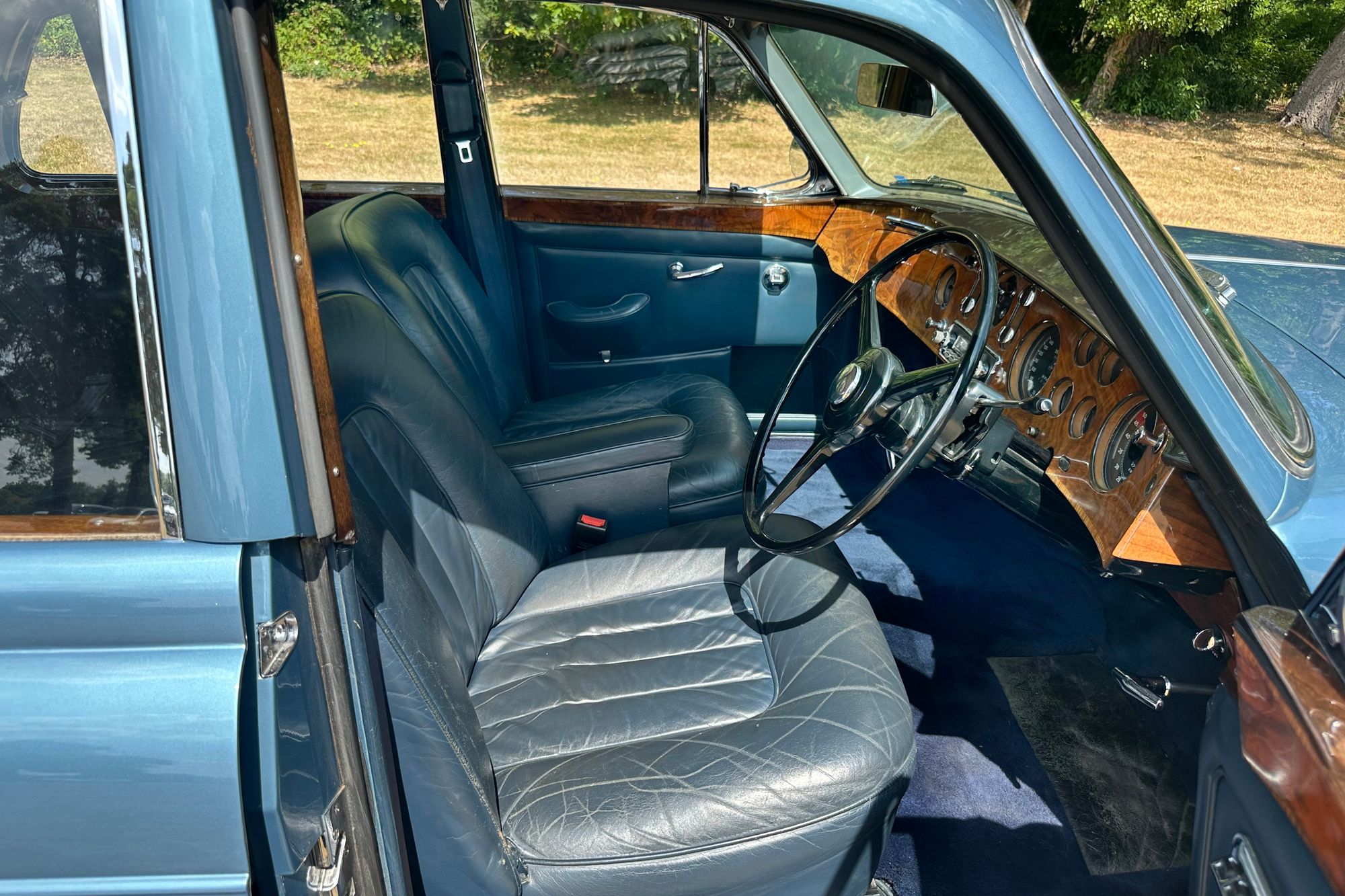
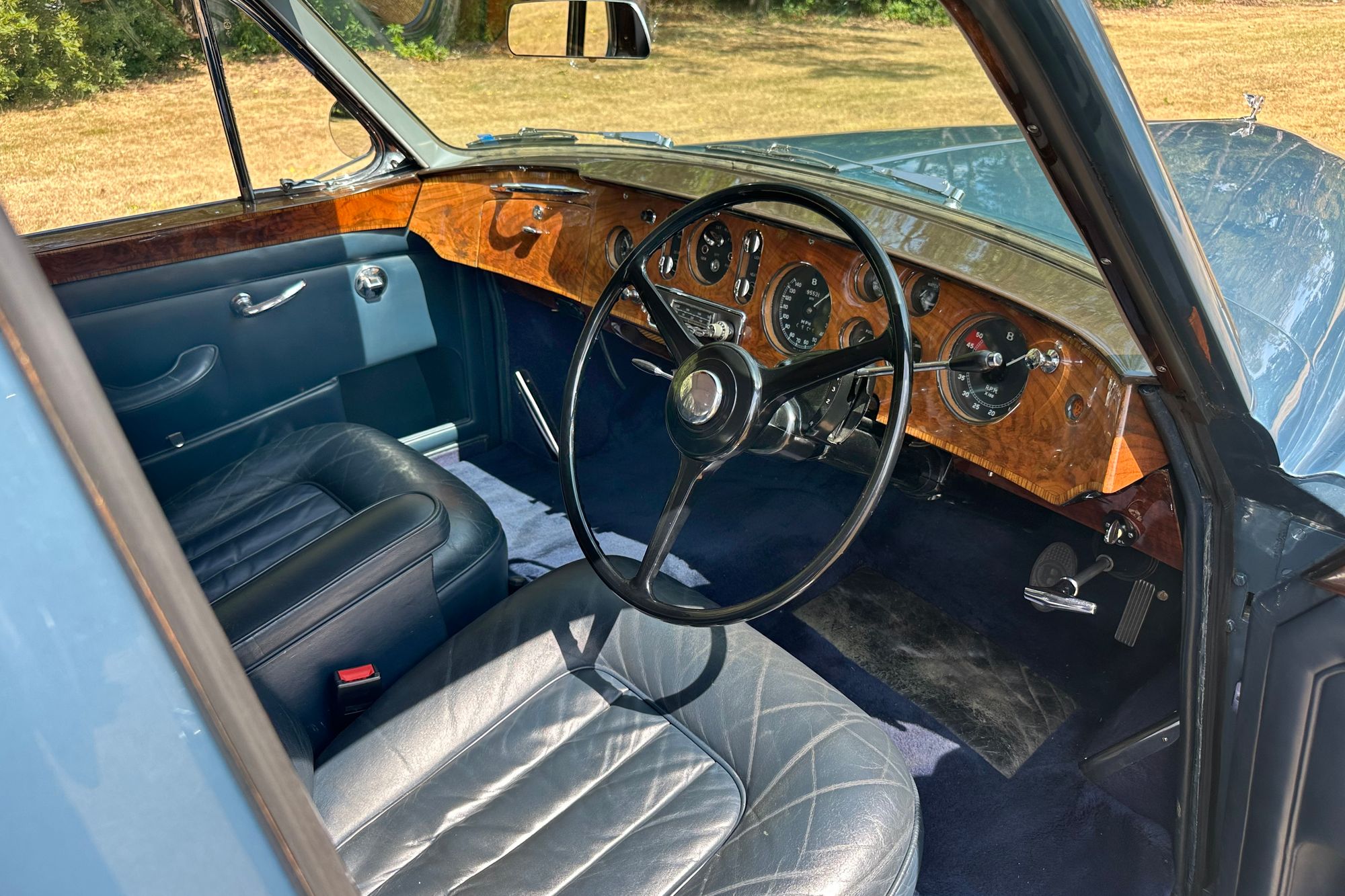
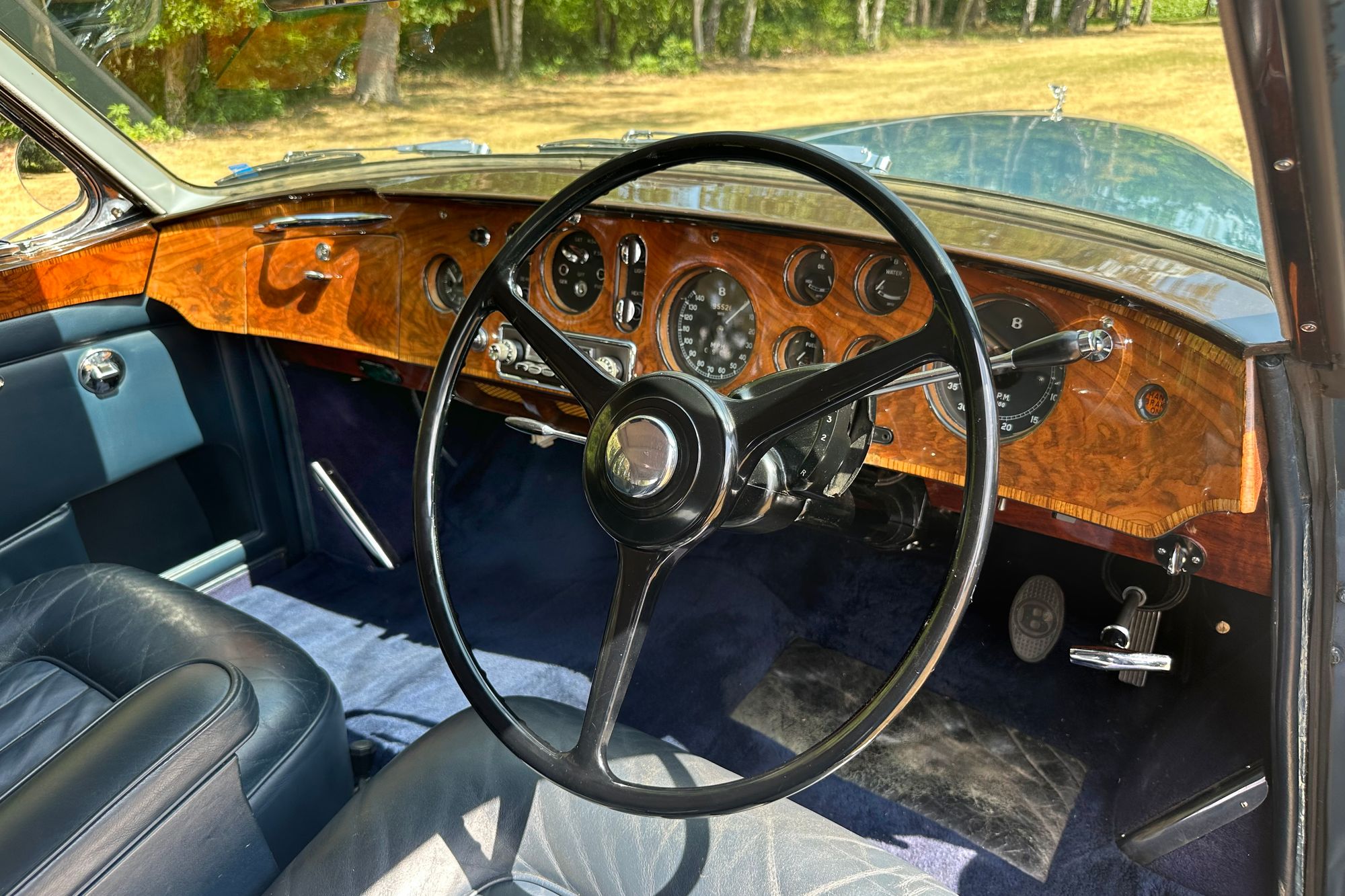
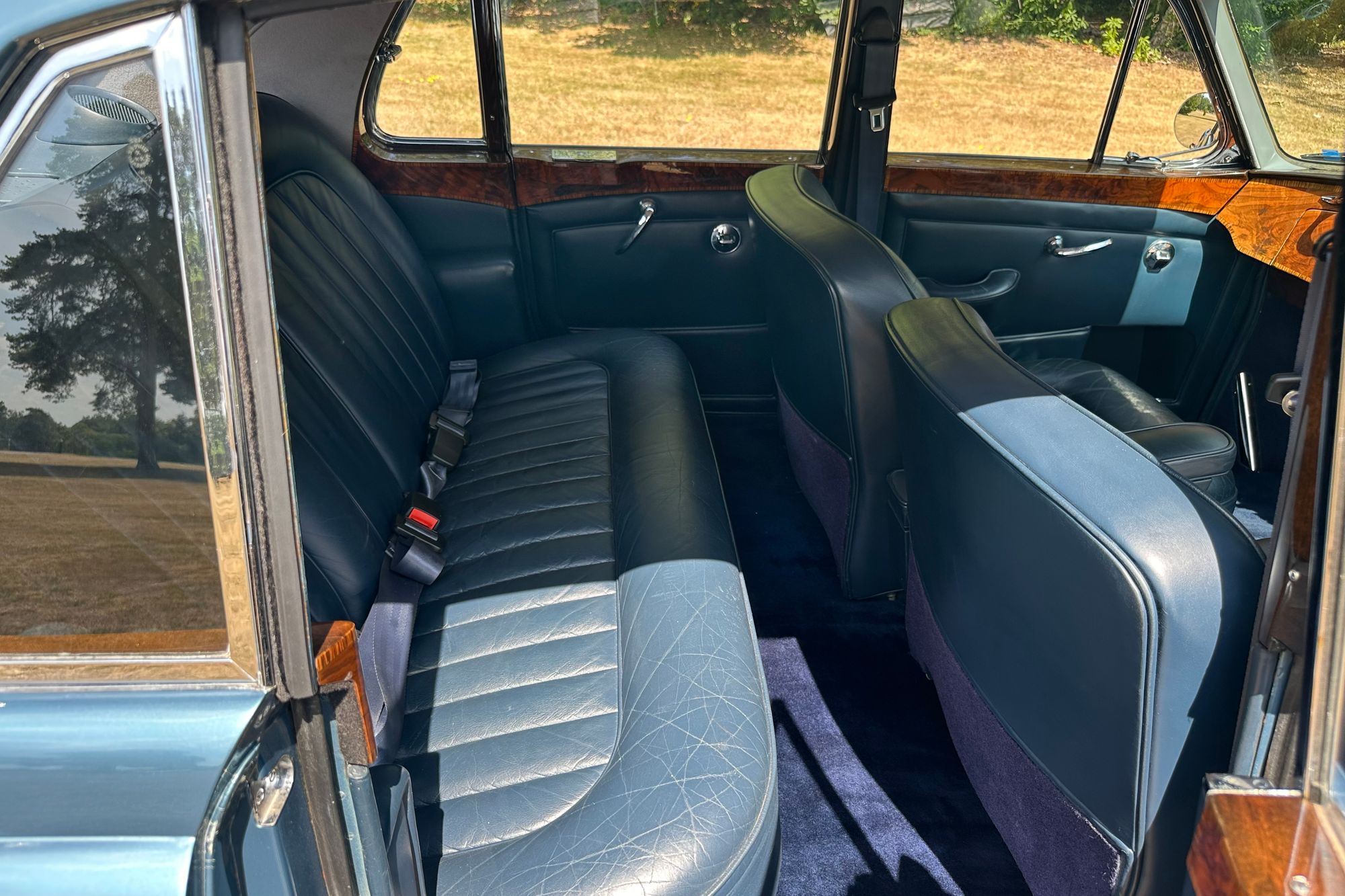
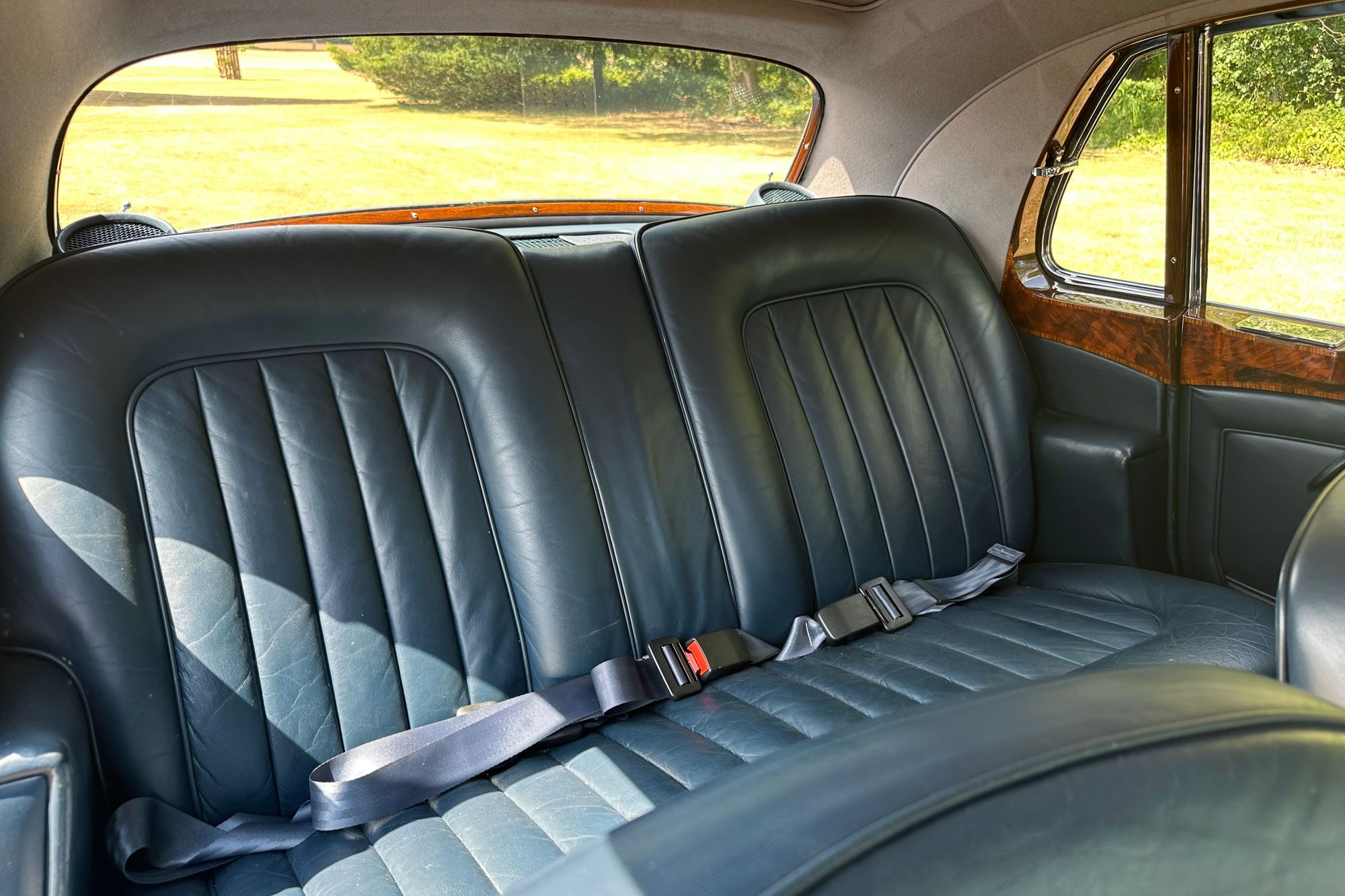
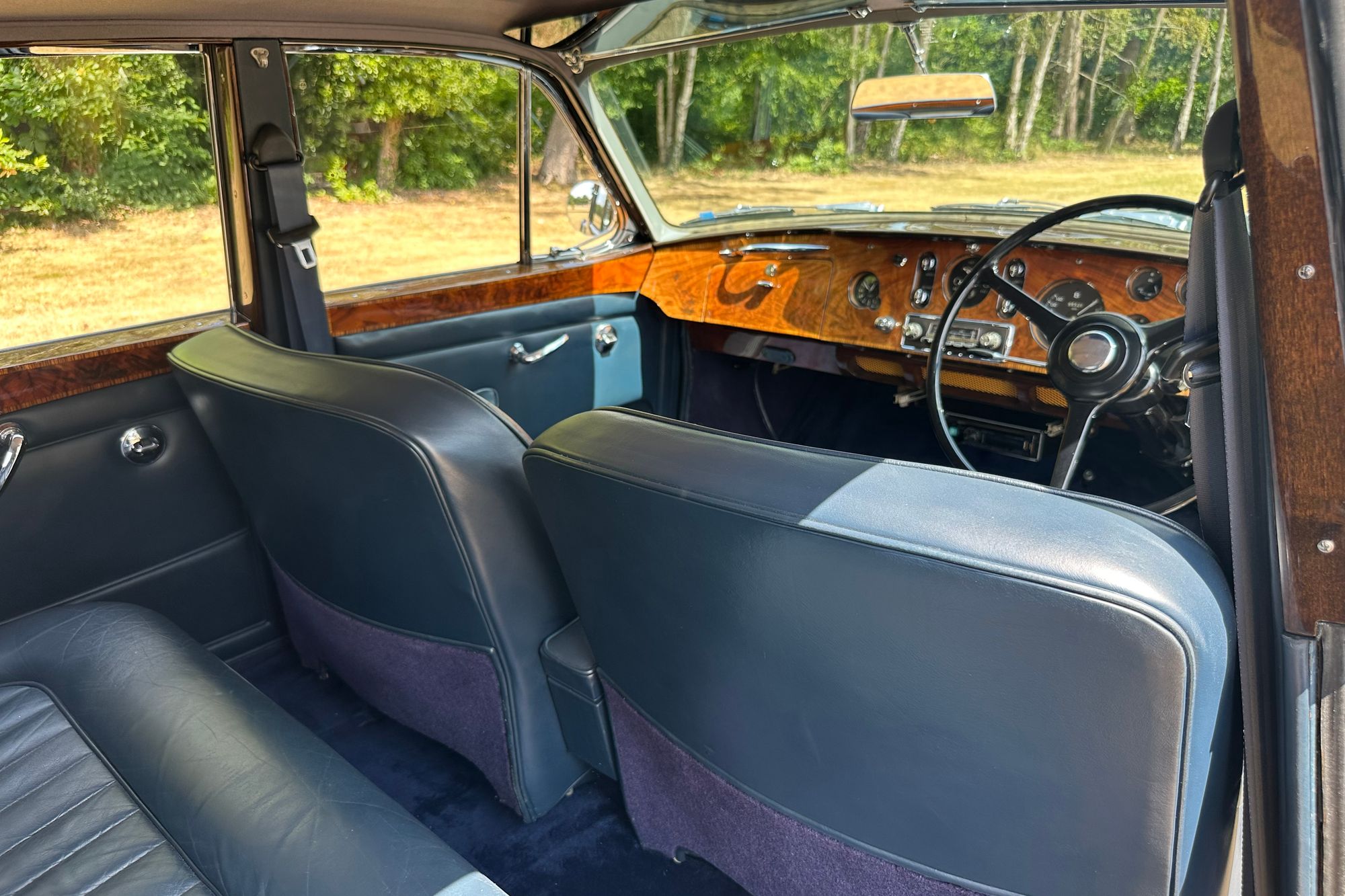
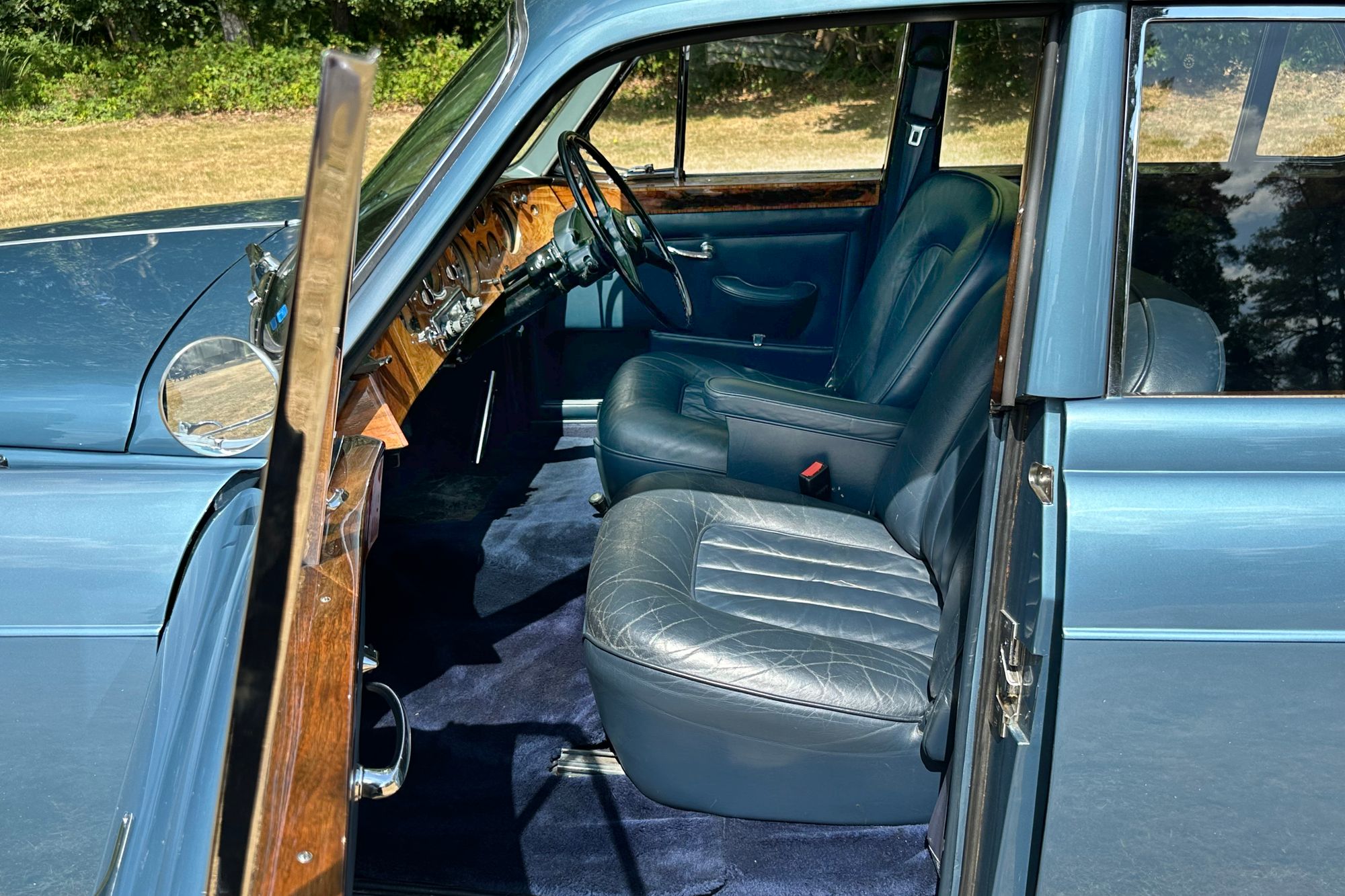
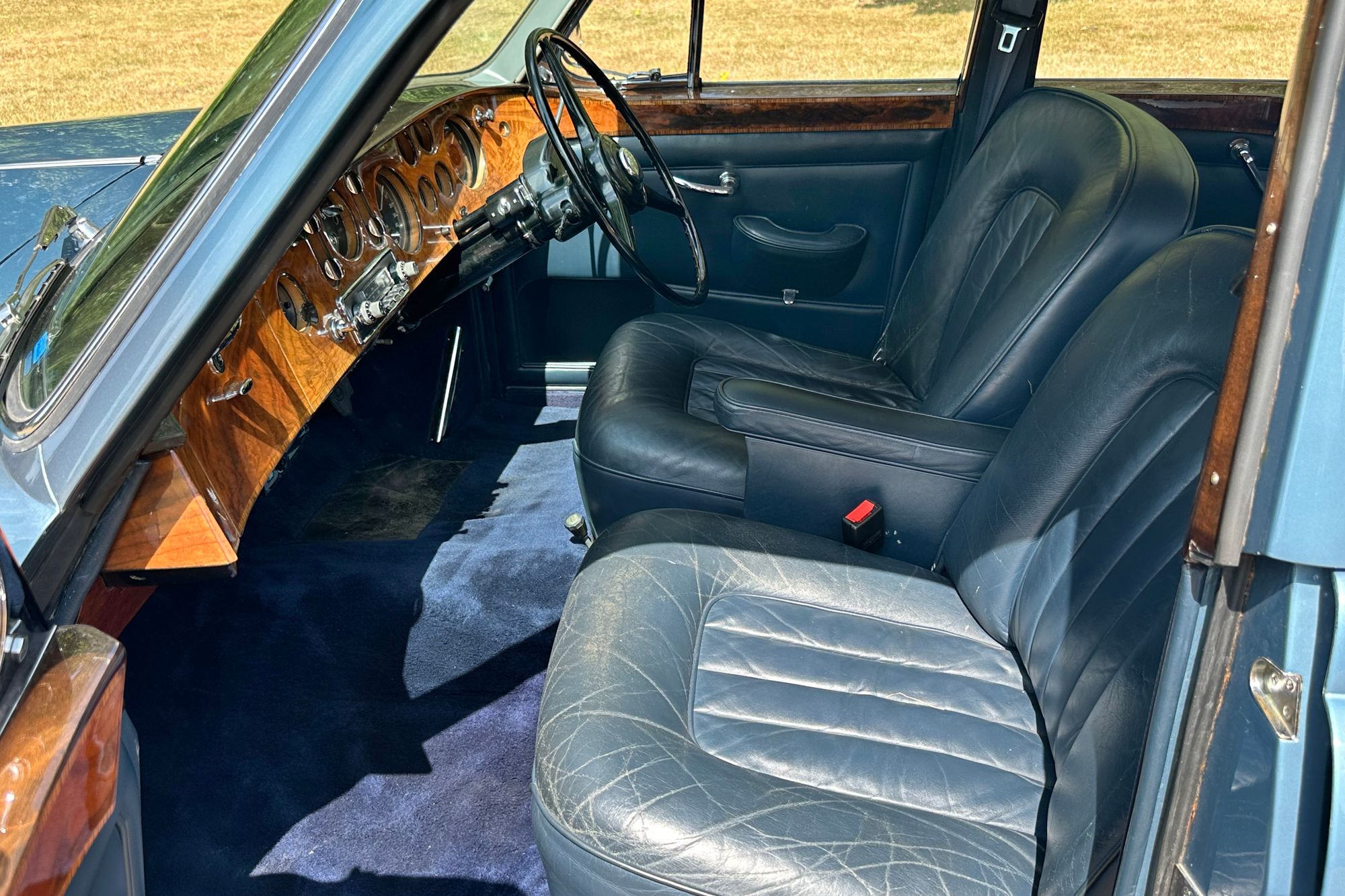
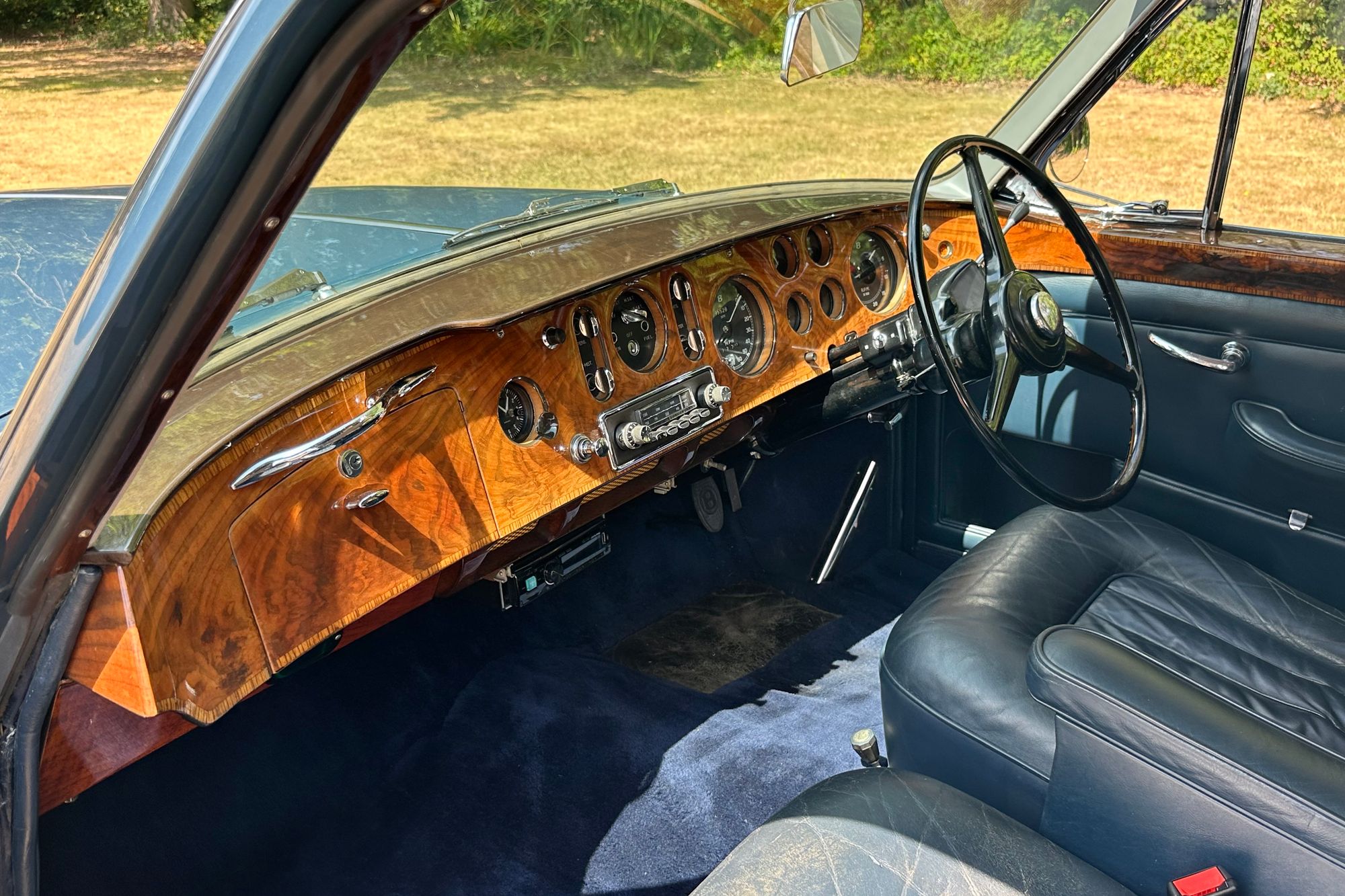
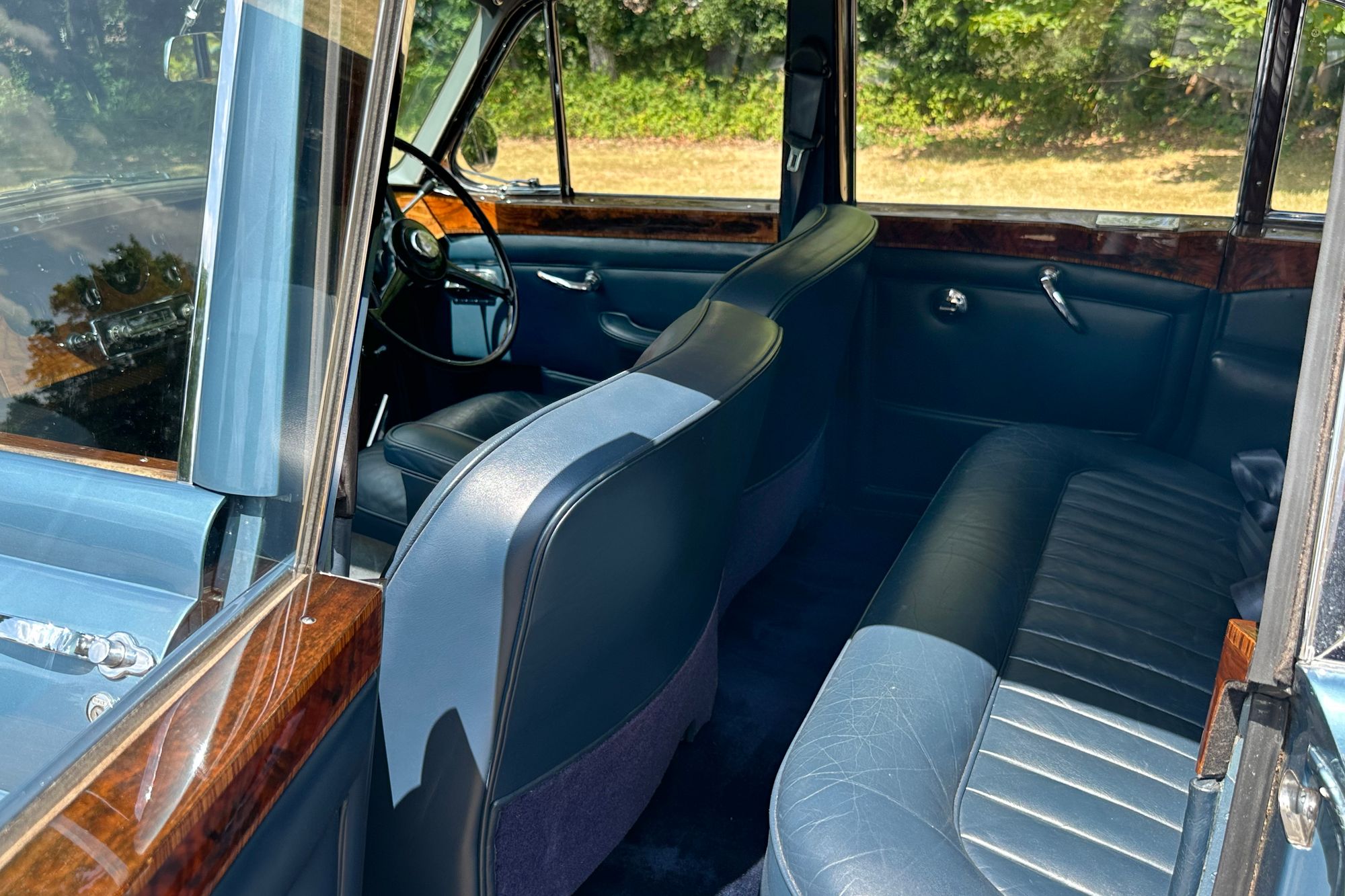
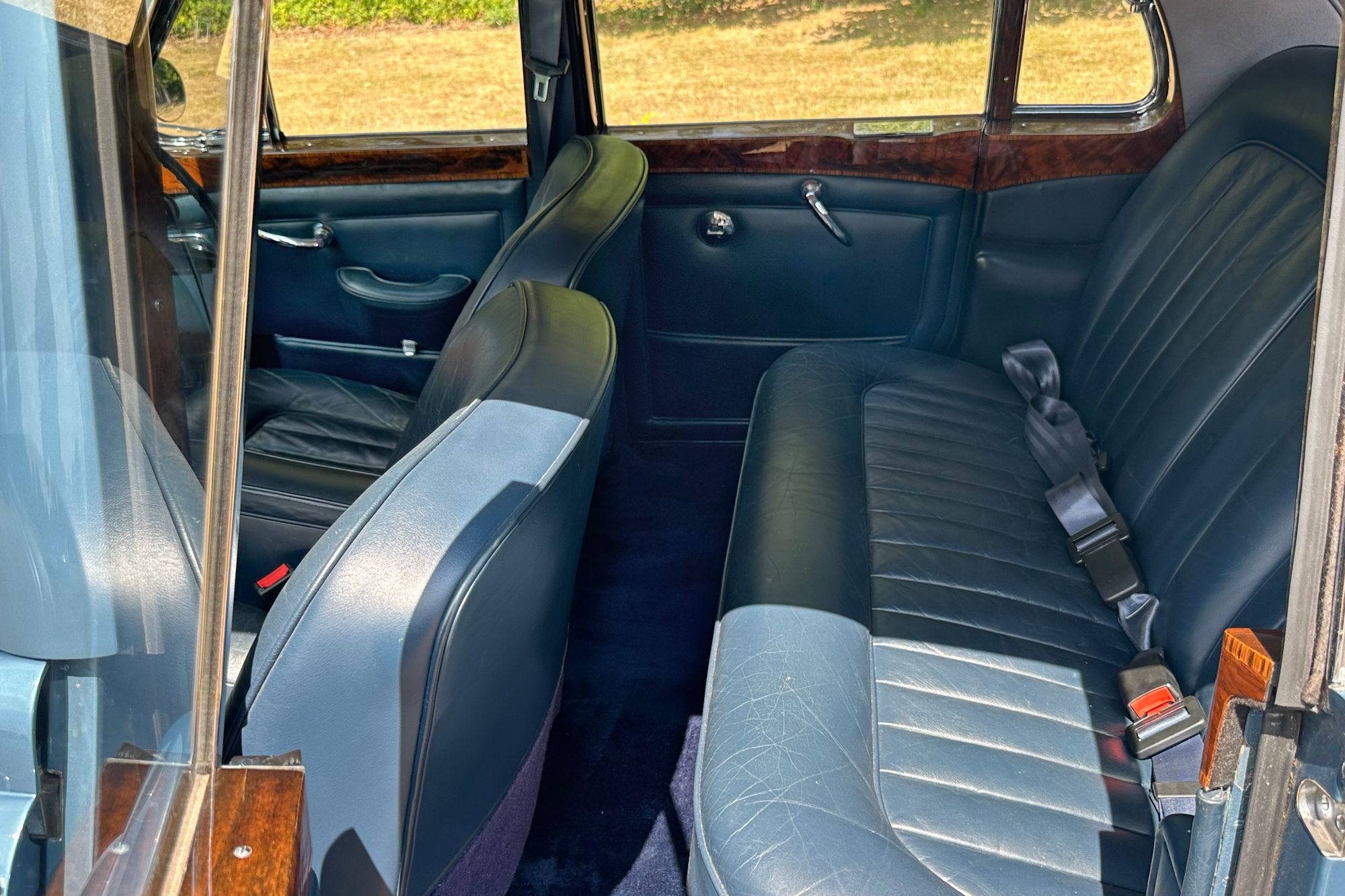
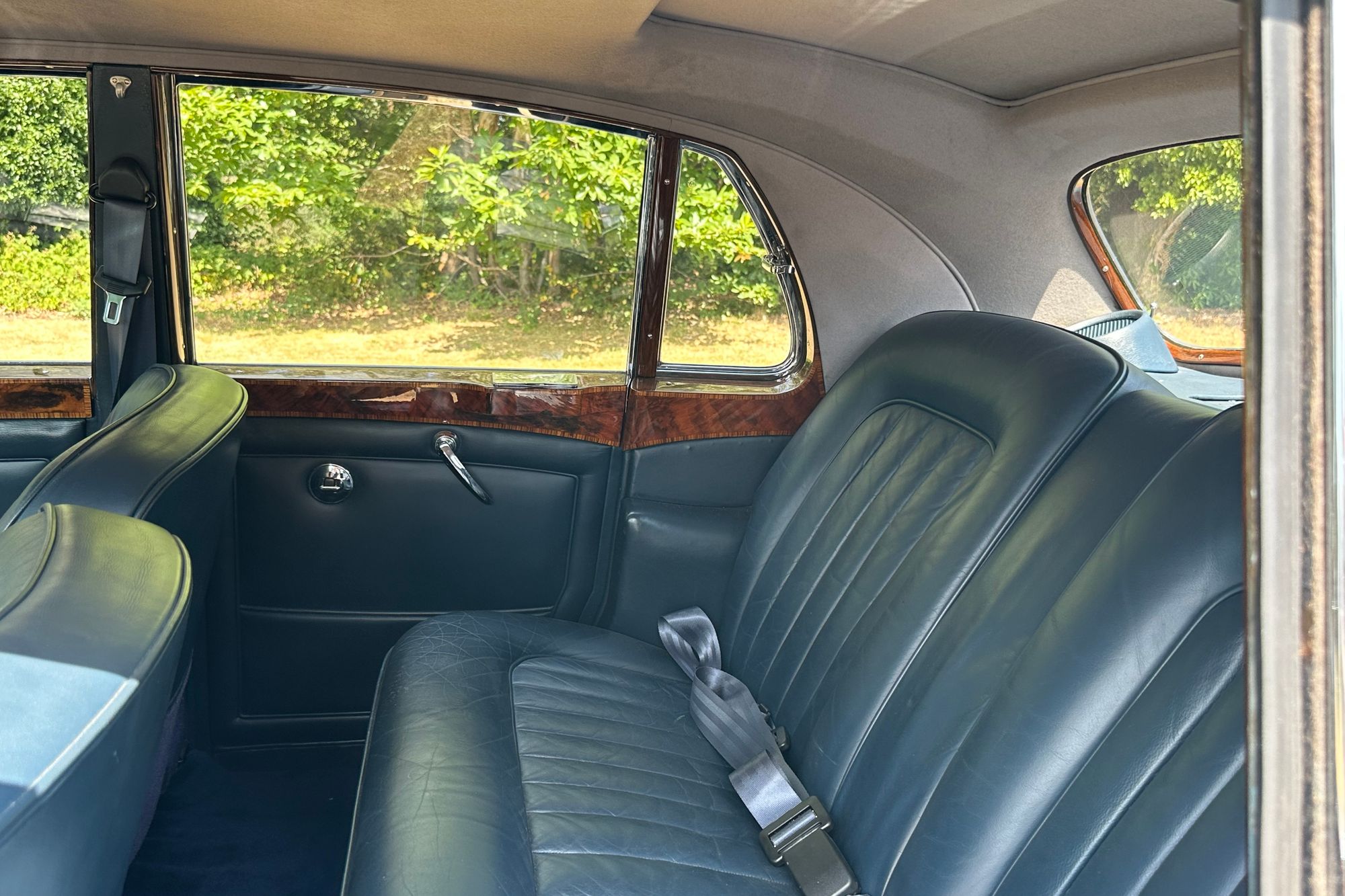
Chassis No BC10XA is the first of just two cars built-in right-hand drive to Design No 2011/A by Mulliner/Park Ward, a further three cars were built-in left-hand drive. It was a continuation of the Van Gerbig design which featured a smaller hinged rear quarter light window. Chassis No BC10XA was originally completed in late 1962, finished in mist green with an off-white leather interior and shown on the Mulliner/Park Ward stand at The Earls Court Show. Shortly after its unveiling in London, it was supplied by Attwoods in Shropshire to Mr Patrick Hall of Longford Hall in Newport, Shropshire who was the Chairman of British Reinforced Concrete Engineering. Mr Hall relocated to South Africa at this point but before leaving he had his new Bentley re-painted at Crewe in his chosen colour scheme of Beige (M.901-2559) over Antelope (M.151-2703) with red coachlines. The car remained with Mr Hall in South Africa for just under a decade, covering 40,000 miles during this time and being maintained by Grosvenor Motors in Johannesburg whose records are in the car’s history file. Chassis No BC10XA returned to the UK in 1971, now in silver over turquoise and was sold to Wood & Krailing in Buckinghamshire who retrimmed the car in dark blue leather and matching carpets which it retains today. It was then supplied by P&A Wood in 1972 to Mr Michael Vining-Wilson and then again in 1982 to Mr Peter Robin, the latter having the car stripped back to bare metal and repainted in Caribbean Blue, its present and period correct colour for a Silver Cloud III/S3. In between 1997 and present day, the car has had a further five UK based owners, with the present owner acquiring Chassis No BC10XA in 2013 from P&A Wood. Over the past thirteen years, the car has benefitted from numerous works, including an engine overhaul just 500 miles ago which was completed in 2025. Extensive documentation is complete with the car, with invoices showing the most recent works, and older records dating back to as far as the mid-1960s. The cars extensive history file also contains copy chassis cards, plus the car’s original handbook, supplemental S3 Continental handbook and an original wiring diagram. Complete tools both small and large are also present and correct. Prior to being offered for sale we carried out a test and report on the car, plus all the necessary prep work required so the car is reliable, performs correctly and is a pleasure to drive. Chassis No BC10XA is in beautifully prepared condition throughout and is undoubtably one of the most collectible coachbuilt Bentleys from the post-war era.
The Bentley S3 was introduced in 1962 and was the final iteration of Bentley's S Series motor cars, being produced until 1965. At first glance the all new S3 appeared to most to simply be an S2 with different headlamps, however this wasn’t the case. The S3 maintained much of the mechanical foundation of the S2 but featured some changes. The S3 was fitted with larger carburettors, improved power steering to allow smoother movement at parking speed and a Lucas vacuum-advance distributor to aid fuel consumption making it superior to its predecessor and almost identical in mechanical specification to the S3 Continental that was being produced at the same time.
The introduction of the twin headlamps was clearly the most obvious external change, but the differences did not end there. Further changes included the fitting of smaller bumper over riders and the repositioning of the front indicators and side lamps into one single unit on the front wing, resulting in an arguably more attractive appearance.
The interior of the Bentley S3 was a hallmark of traditional British luxury, featuring beautifully finished woodwork, Connolly leather upholstery, and Wilton carpets, only the best would do. It was equipped with electric windows and air conditioning was available as an optional feature. The front seats were redesigned to provide more space and comfort, with a deeper seat squab and more leg room for passengers.
The S3 arrived during a time when Bentley was emphasizing a more modern aesthetic, and whilst it didn’t introduce a completely new platform, the subtle enhancements made it more refined and advanced than the S2. Over 1,200 factory-built saloons were produced at Crewe making it a very successful final chapter of the basic coachwork design that had originated over a decade before.
As before with the S1 and S2, the S3 was also offered in Continental form with a range of coachbuilt bodies offered to Bentleys discerning clientele. The two major coachbuilding firms of H.J.Mulliner and Park Ward were by this time both owned by Rolls-Royce and the decision was taken to amalgamate the two companies, forming the new company known as Mulliner/Park Ward. Although the complete range of coachbuilt cars produced by Mulliner/Park Ward were badged as such, former H.J.Mulliner designs and Park Ward designs were continued and allowed to develop further on the S3 Continental chassis.
The former H.J.Mulliner design designated the Flying Spur was offered once again and their very attractive S2 Continental coupe was also continued albeit in very limited numbers onto the S3 Continental chassis, with some amendments.
The success of the Vilhelm Koren designed Bentley S2 Continental had pleased the powers that be at Park Ward and his design was adapted for the S3 Continental chassis, with the introduction of twin headlights. The coachwork did not lend itself happily to horizontal headlights, so they were instead positioned on a slight slant. Vilhelm Koren originally designed both a fixed head coupe and a drophead coupe on the S2 Continental chassis, but the fixed head coupe was never produced. However, on the S3 Continental chassis, both designs were available, with both fixed head (Design No 2035) and drophead (Design No 2006) being produced in very similar numbers.
James Young who were still independently owned and not part of Rolls-Royce completed the options available, with a pair of beautiful fixed head coupes and eighteen very stylish sports saloons on the S3 Continental chassis.
The S3 marked the end of a major chapter for Bentley, representing the culmination of decades of classic postwar luxury motor car design. It was the last of the medium sized cars built to the traditional body on chassis method before Bentley transitioned to the more modern construction style with the introduction of the T Series. The S3 will probably be best remembered as the model that ushered in subtle modernizations like the introduction of twin headlights. It was the end of an era, and what an era it had been.

Frank Dale Comment
One of the most stylish and collectible post-war Bentley saloons in our opinion. It has looks in abundance, is finished in a period correct and very attractive colour scheme and comes fully prepared. There is so much to like about this beautiful S3 Continental, we love it.