
Information
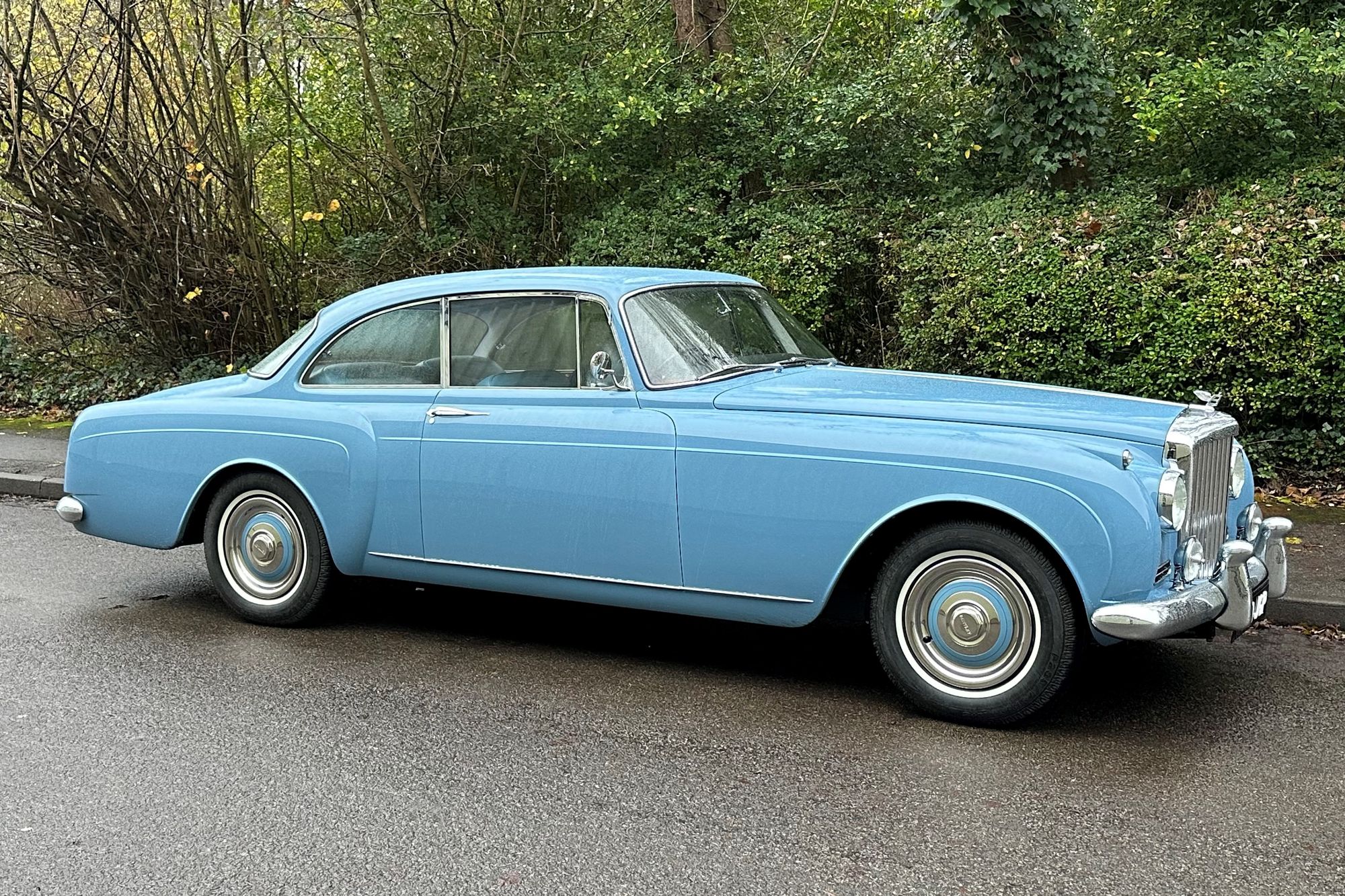
- The forty-third of just seventy-one examples built-in-right-hand drive by H.J.Mulliner
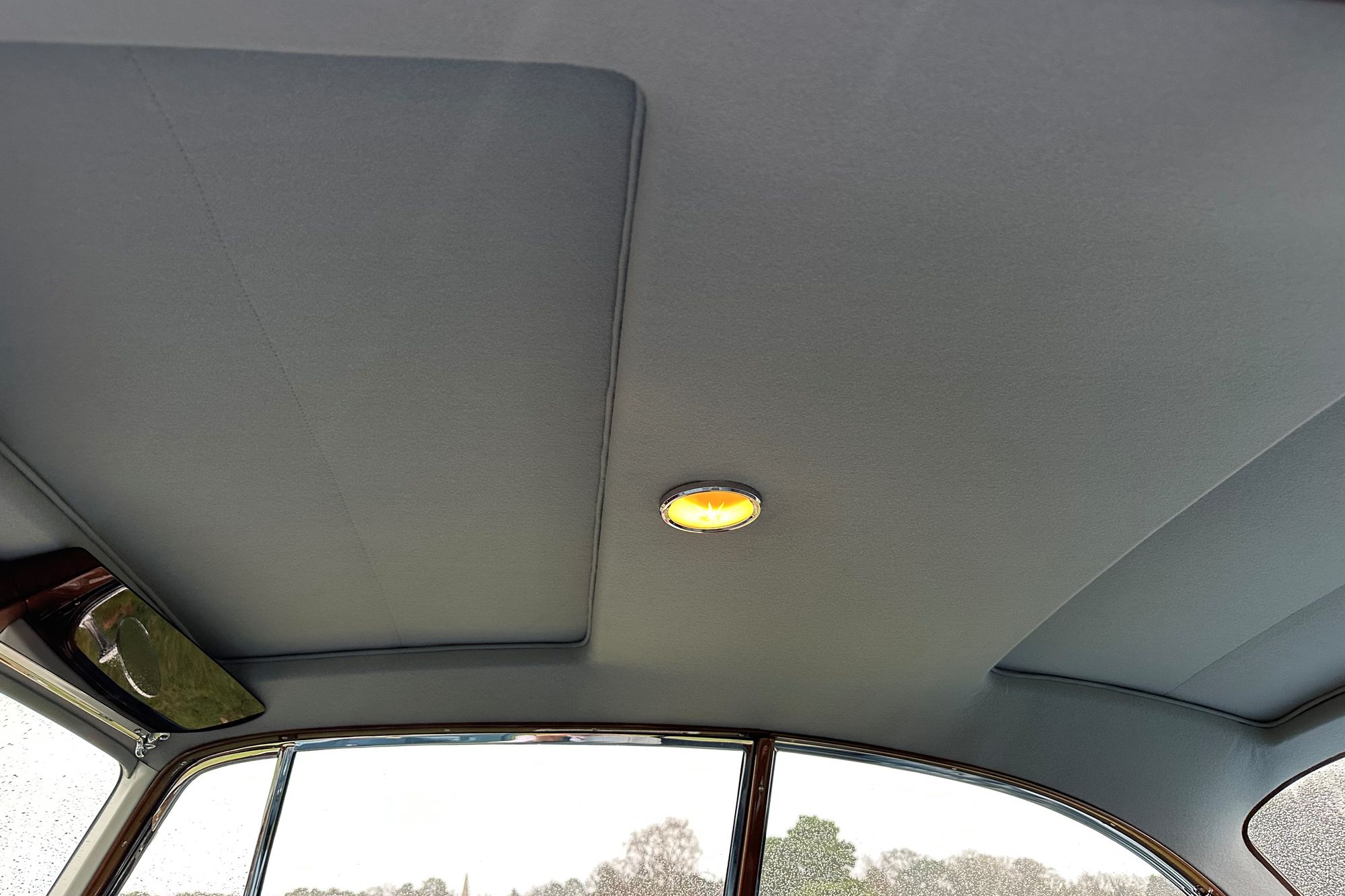
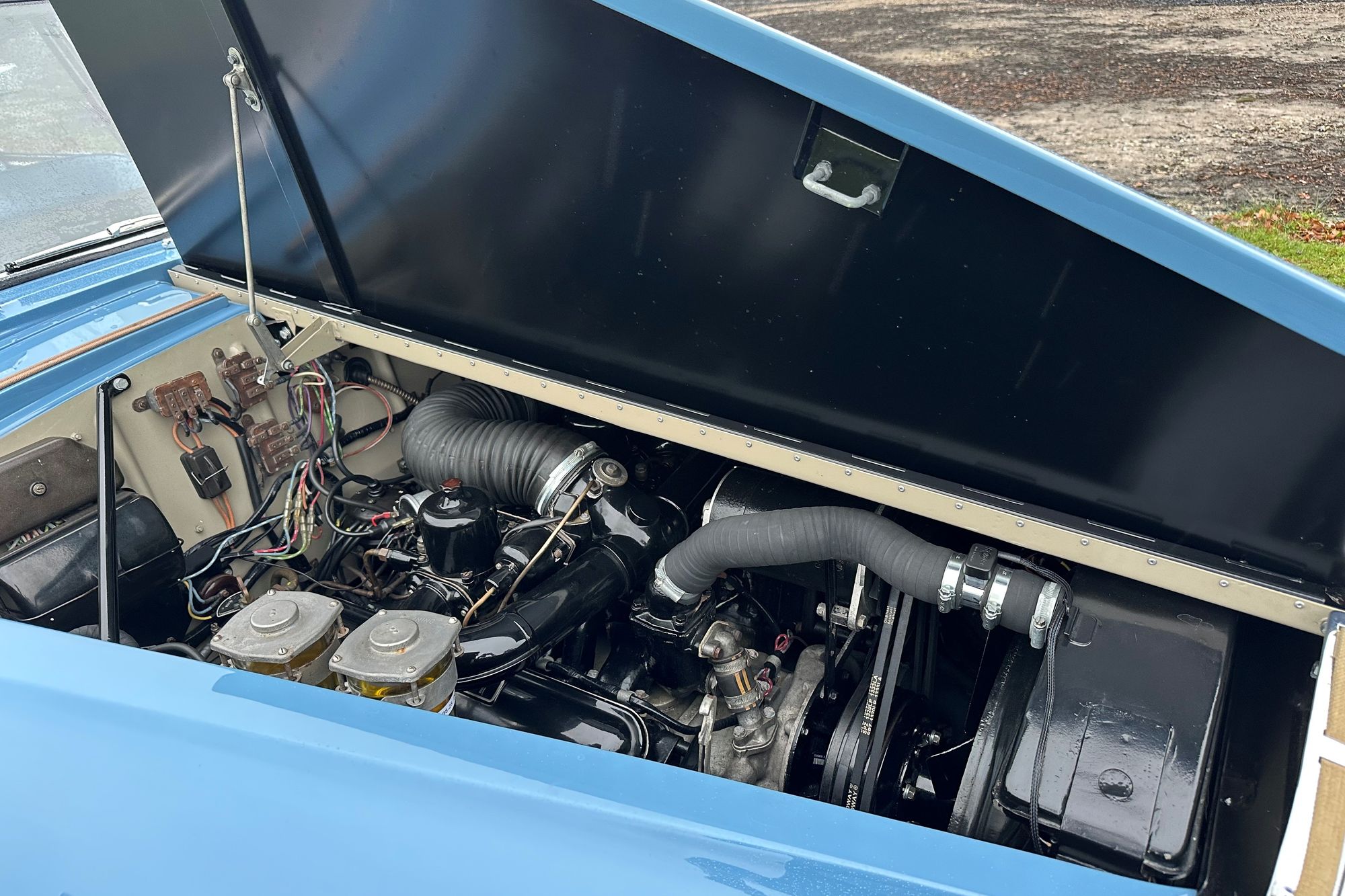
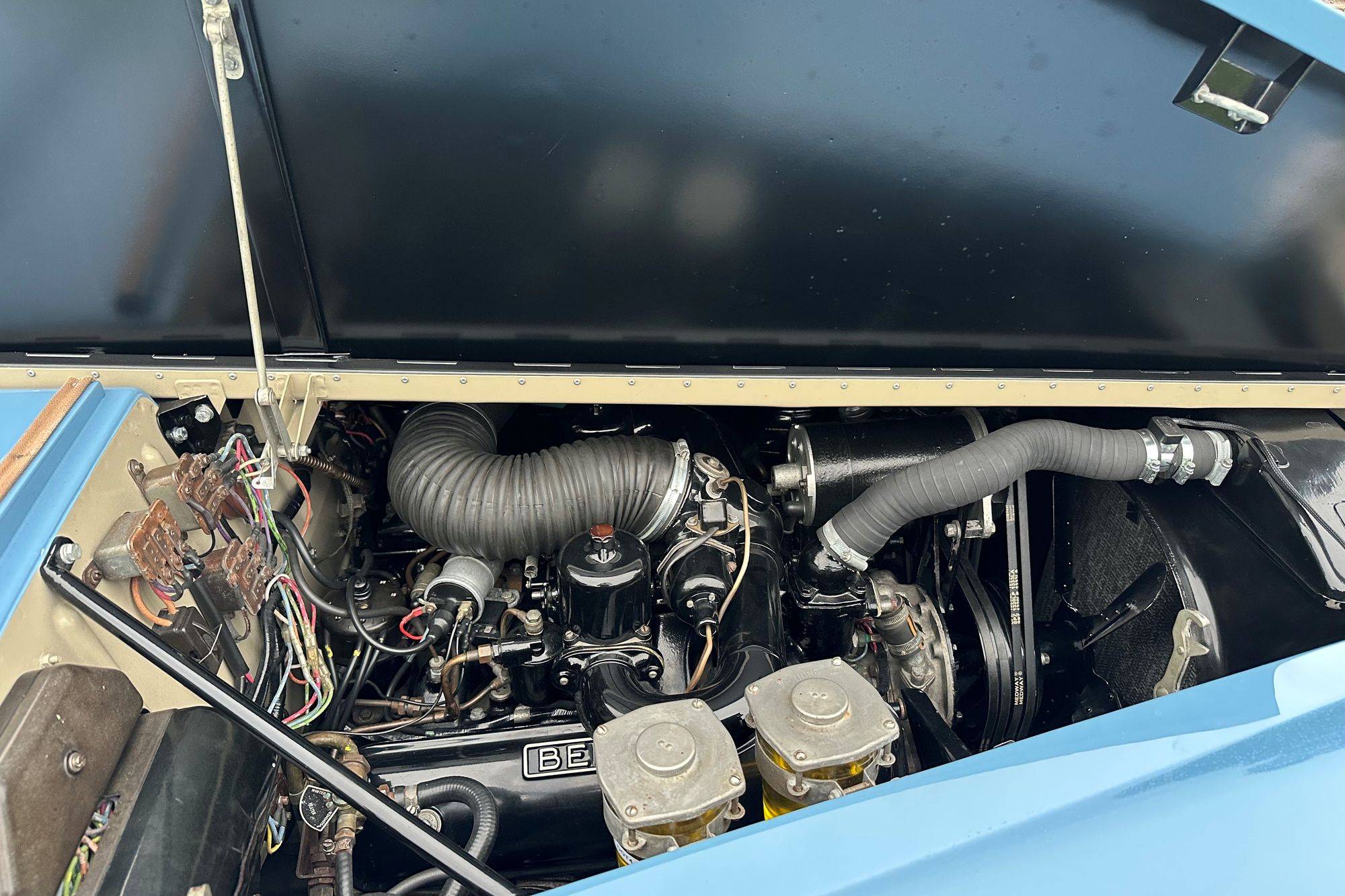
- Restored to show condition
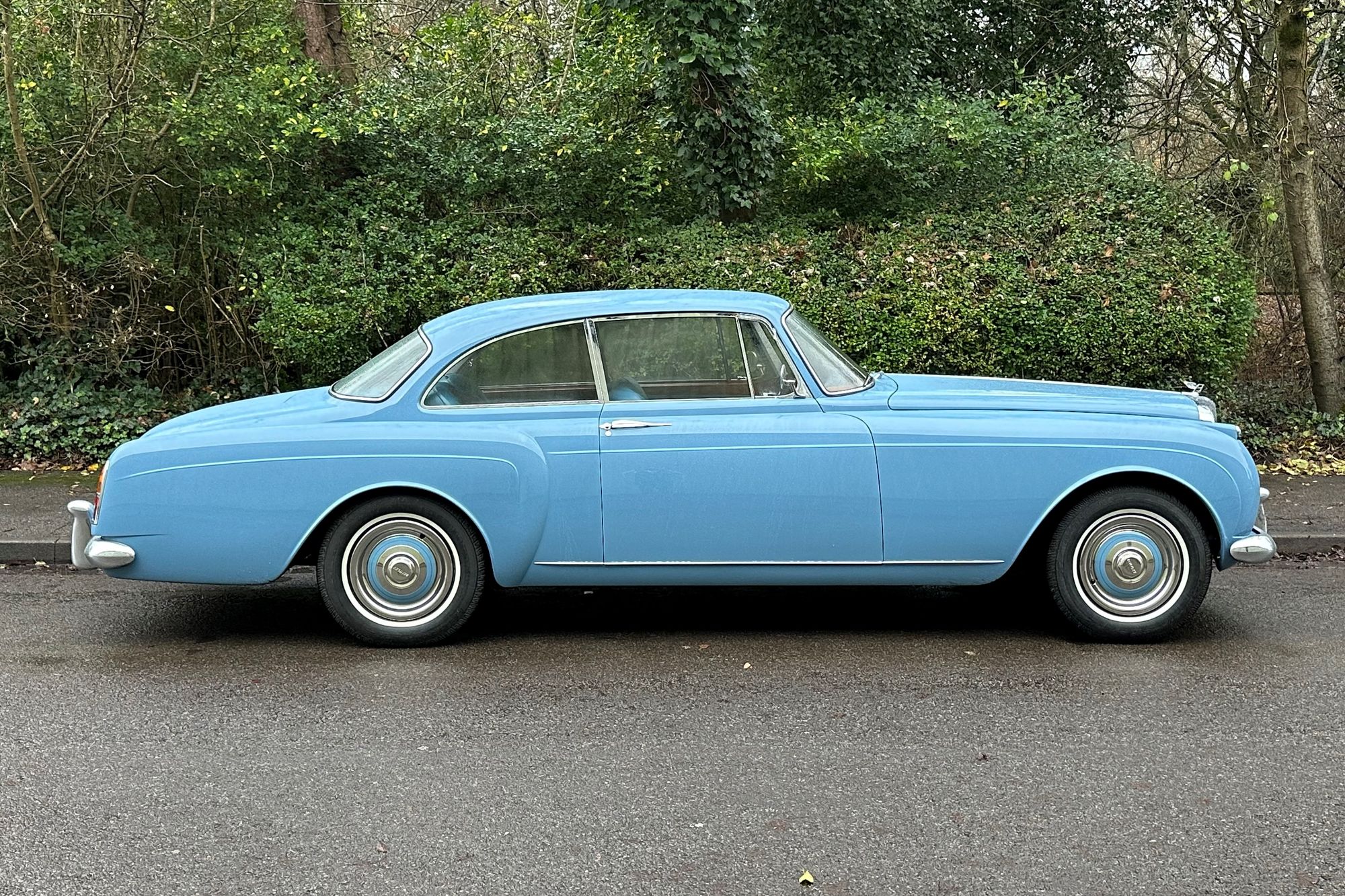
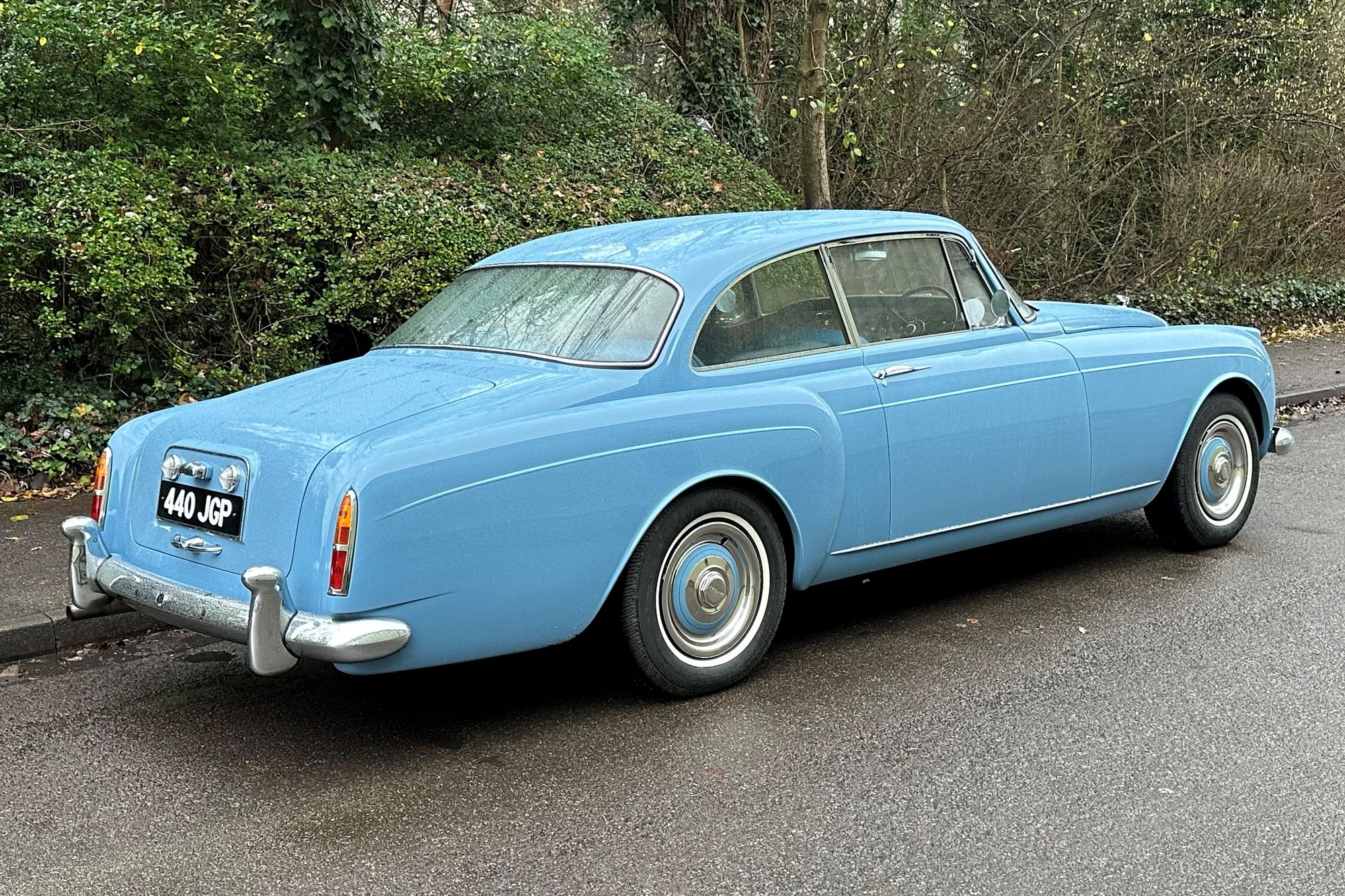
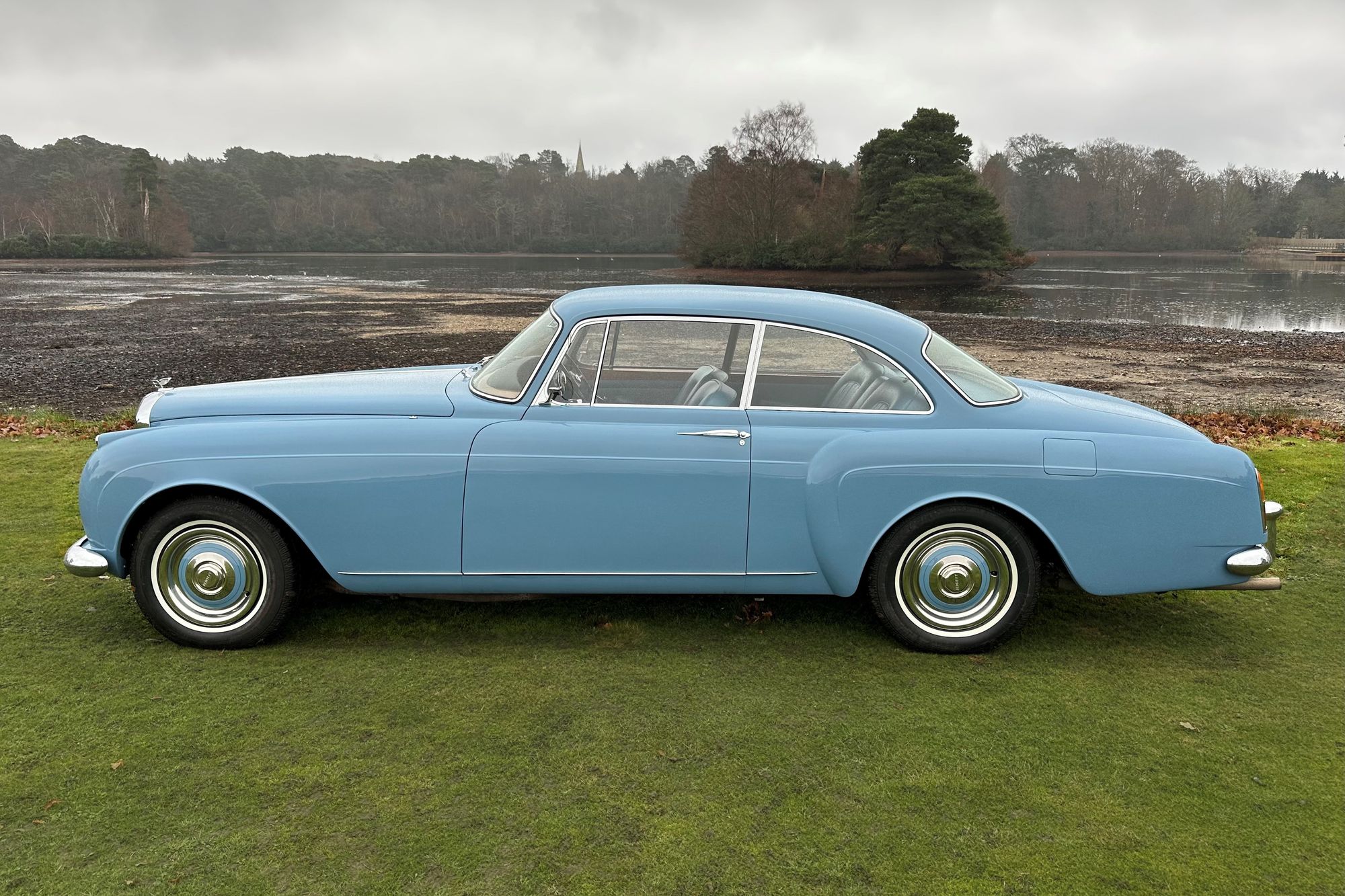
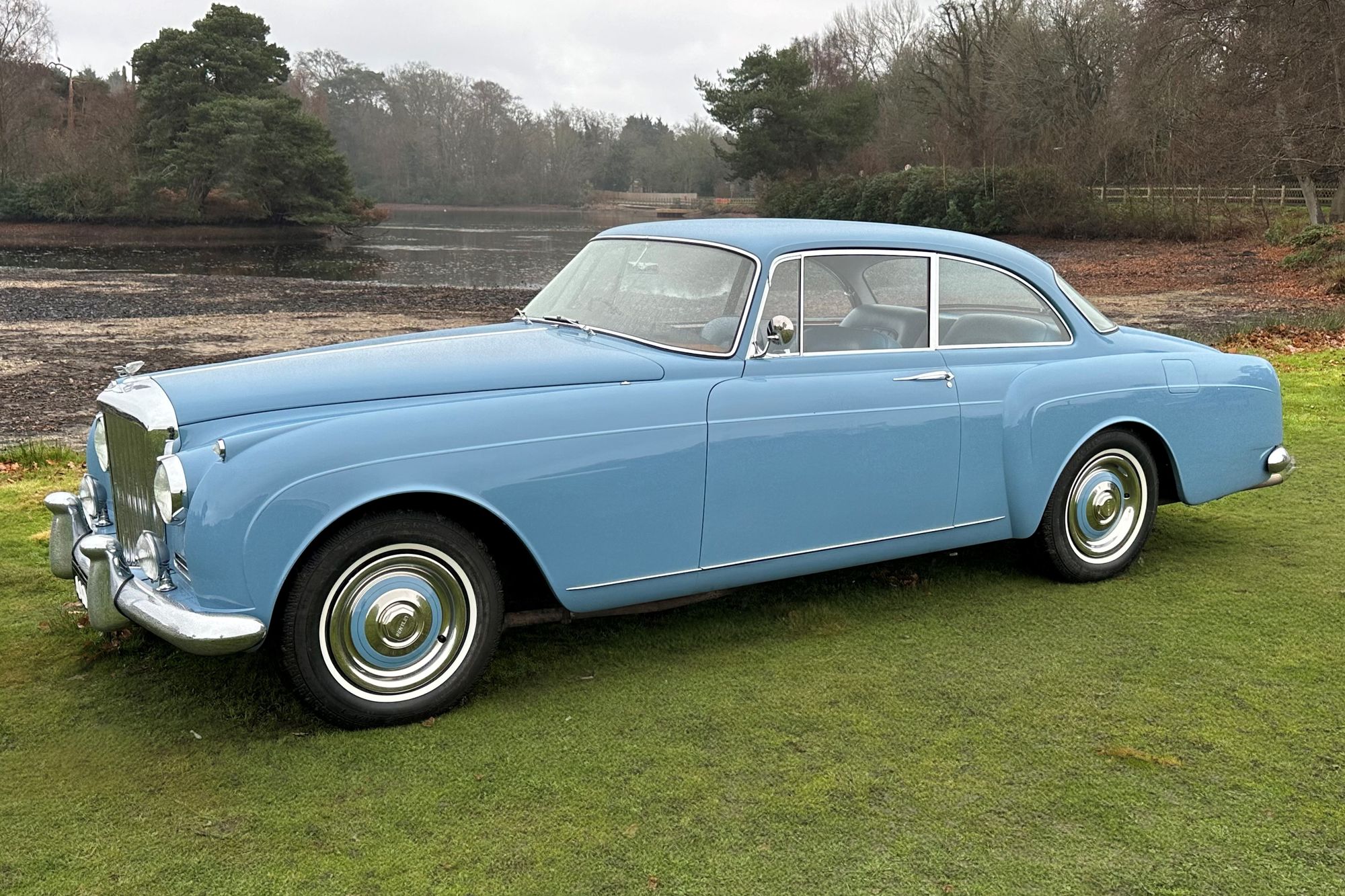
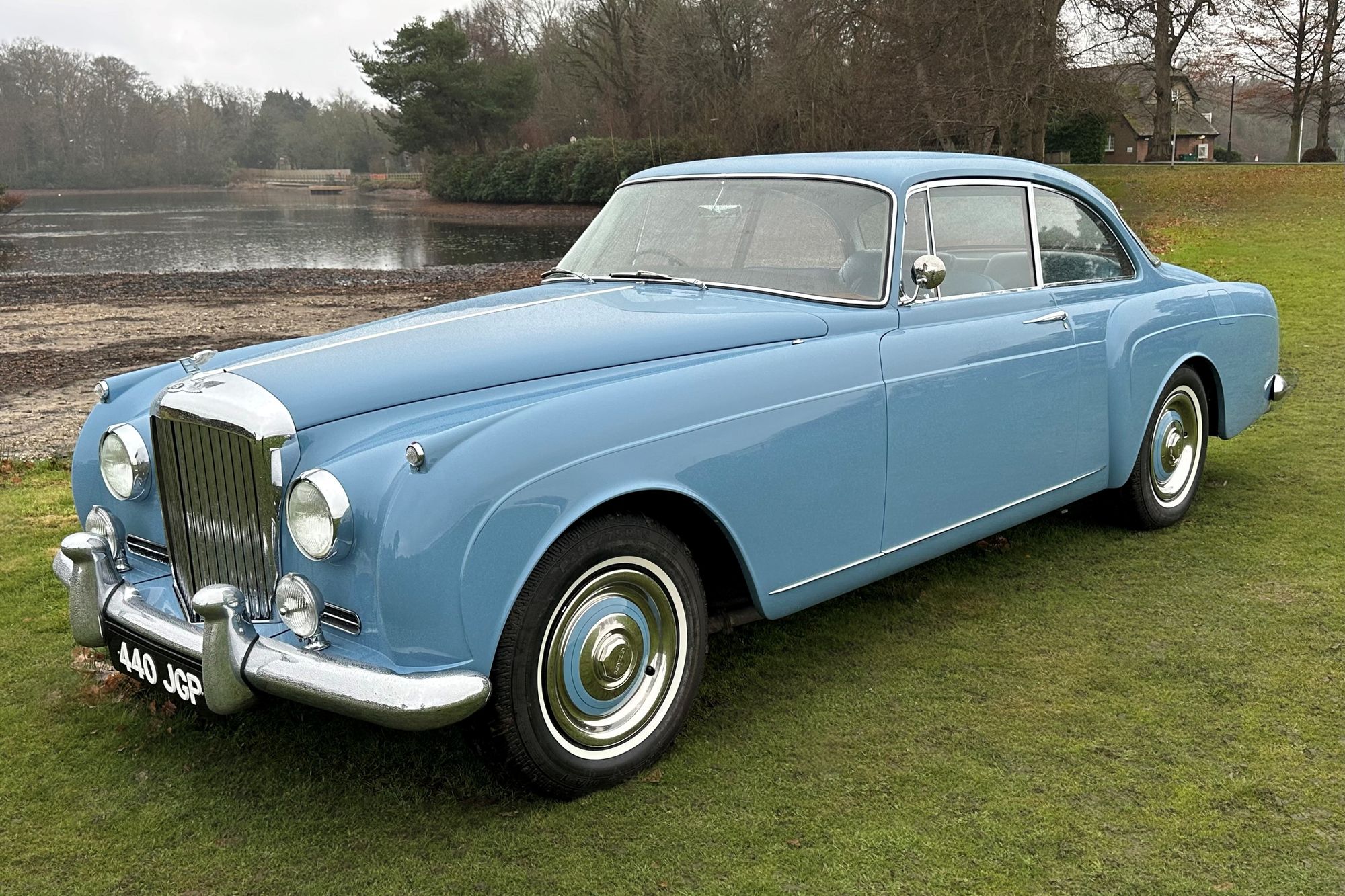
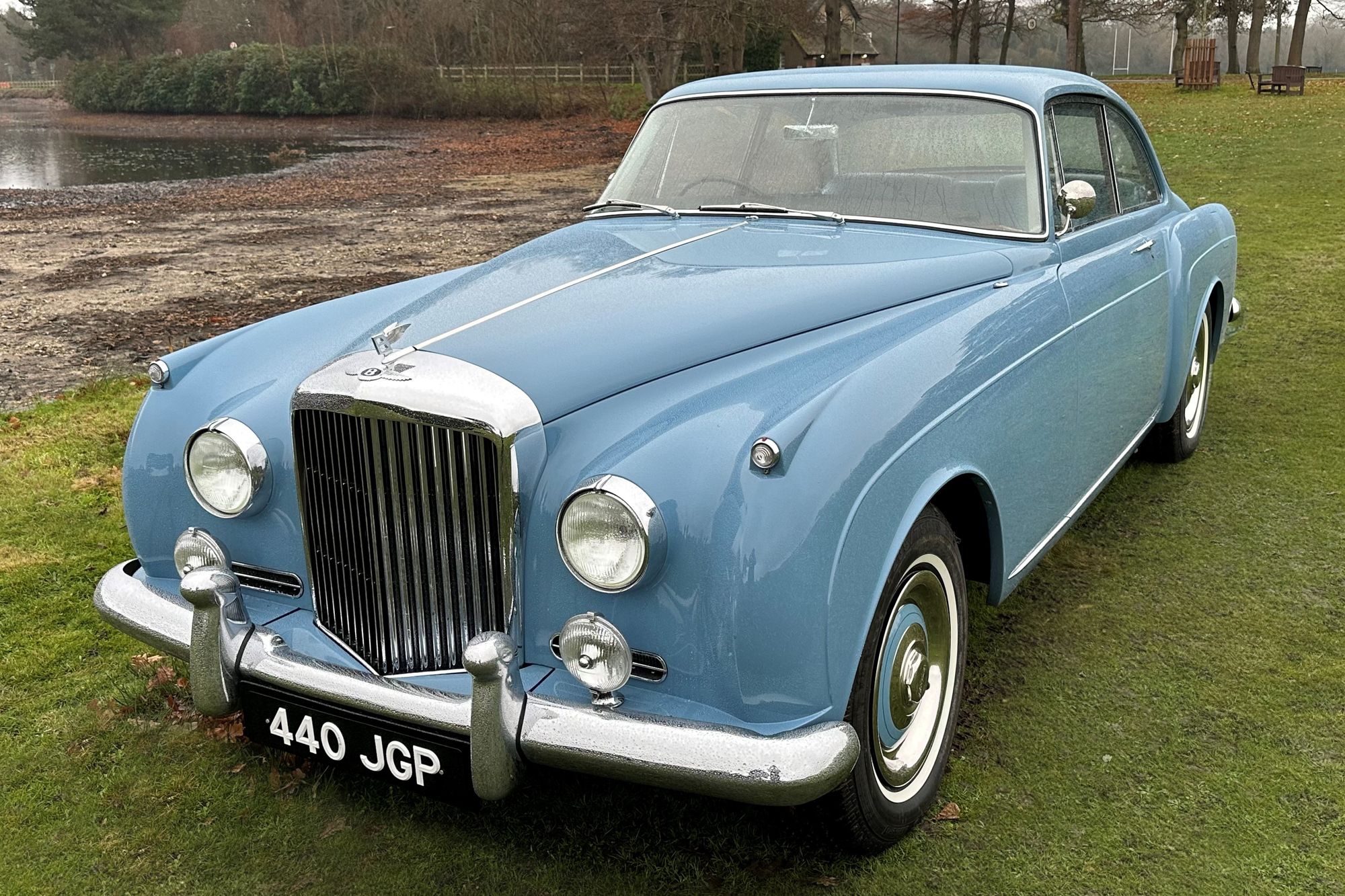
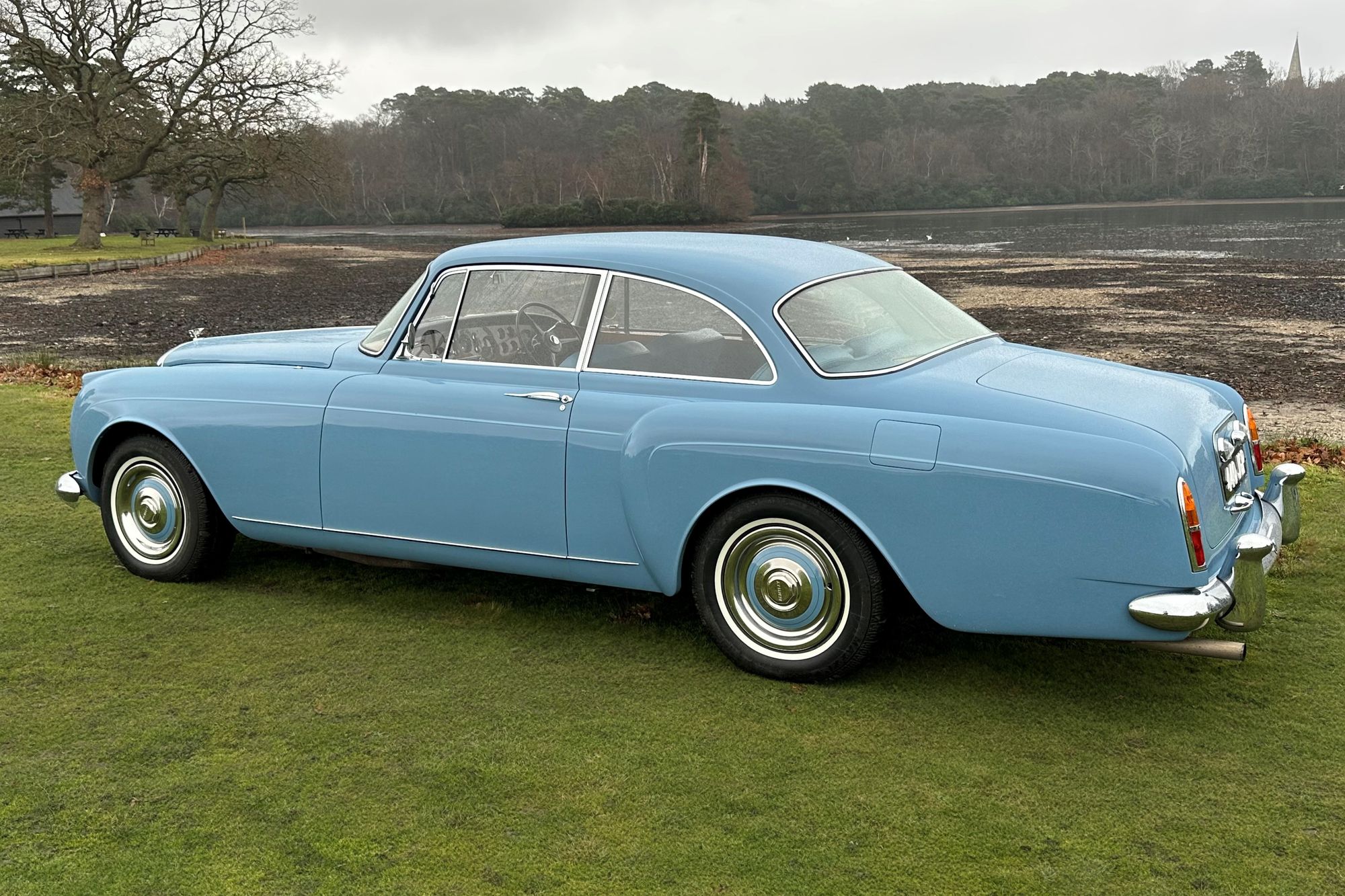
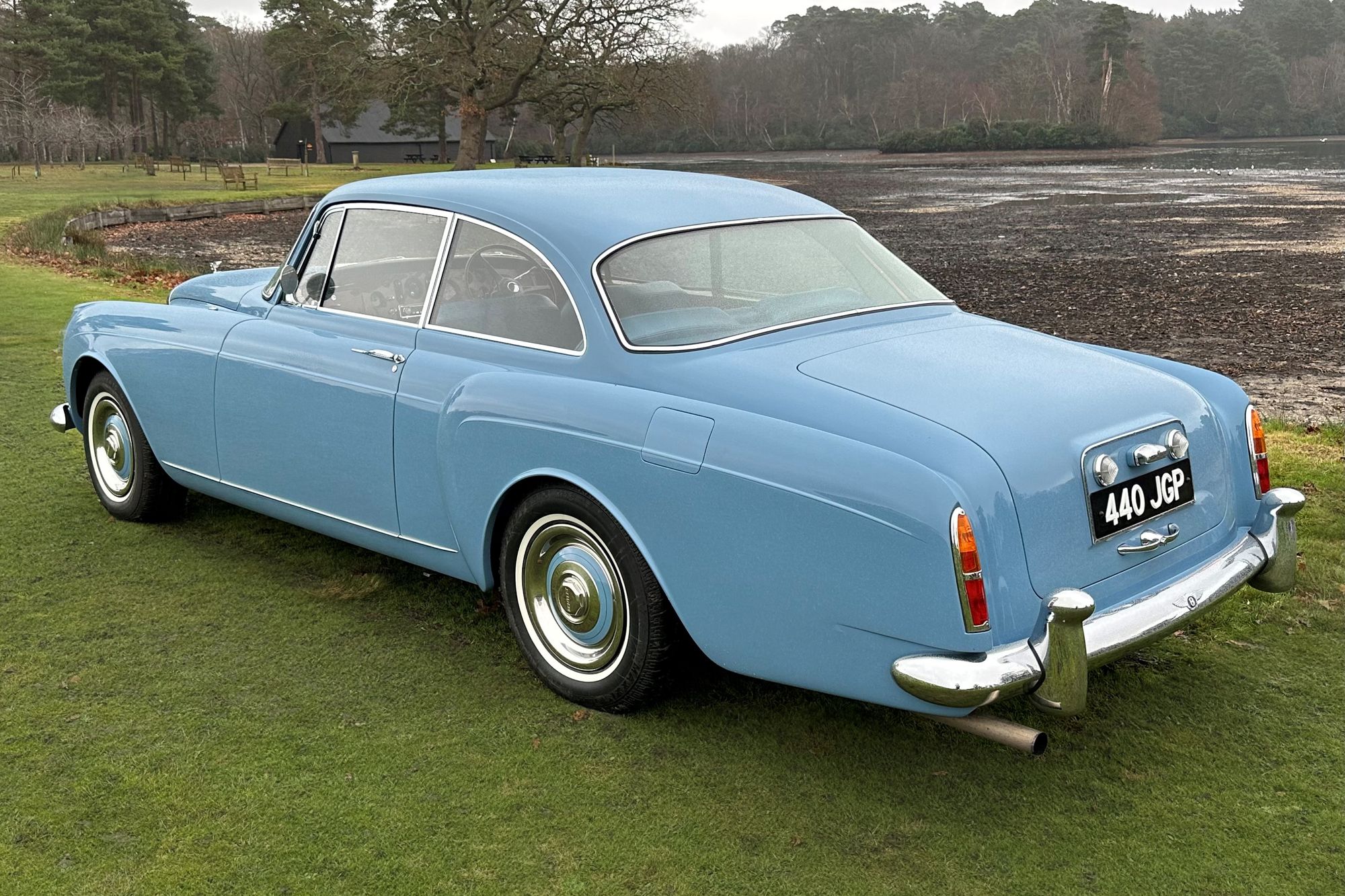
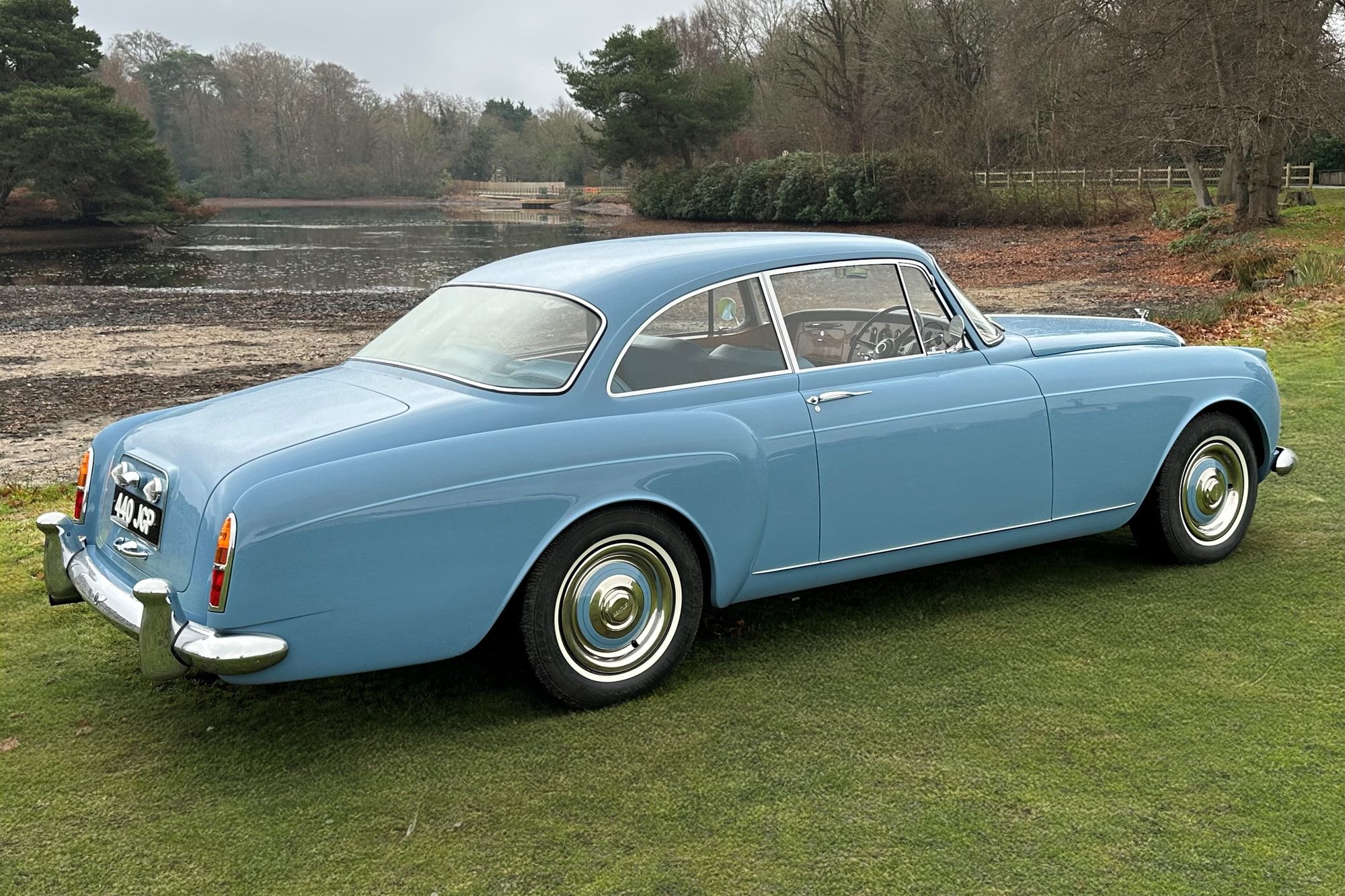
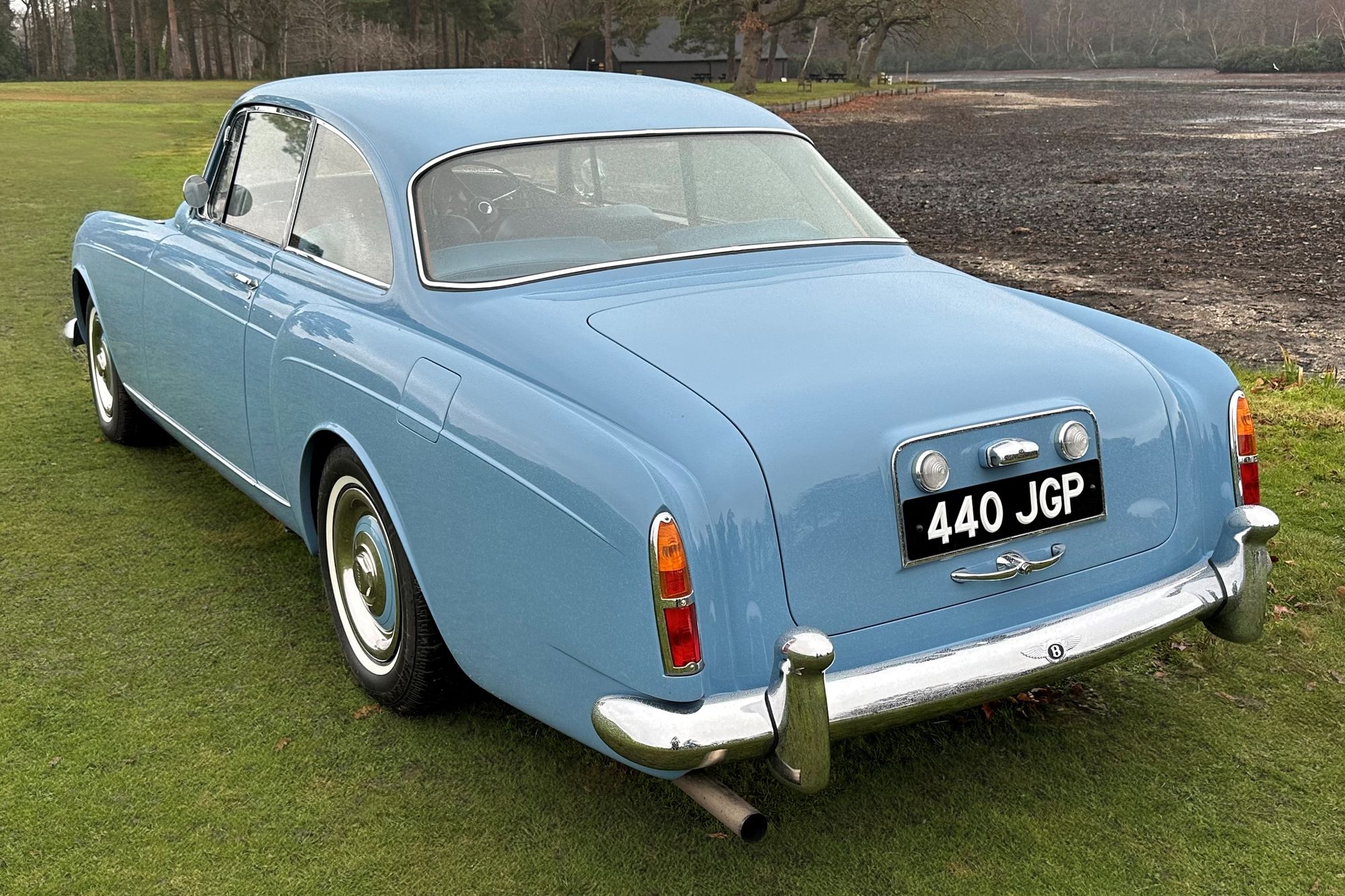
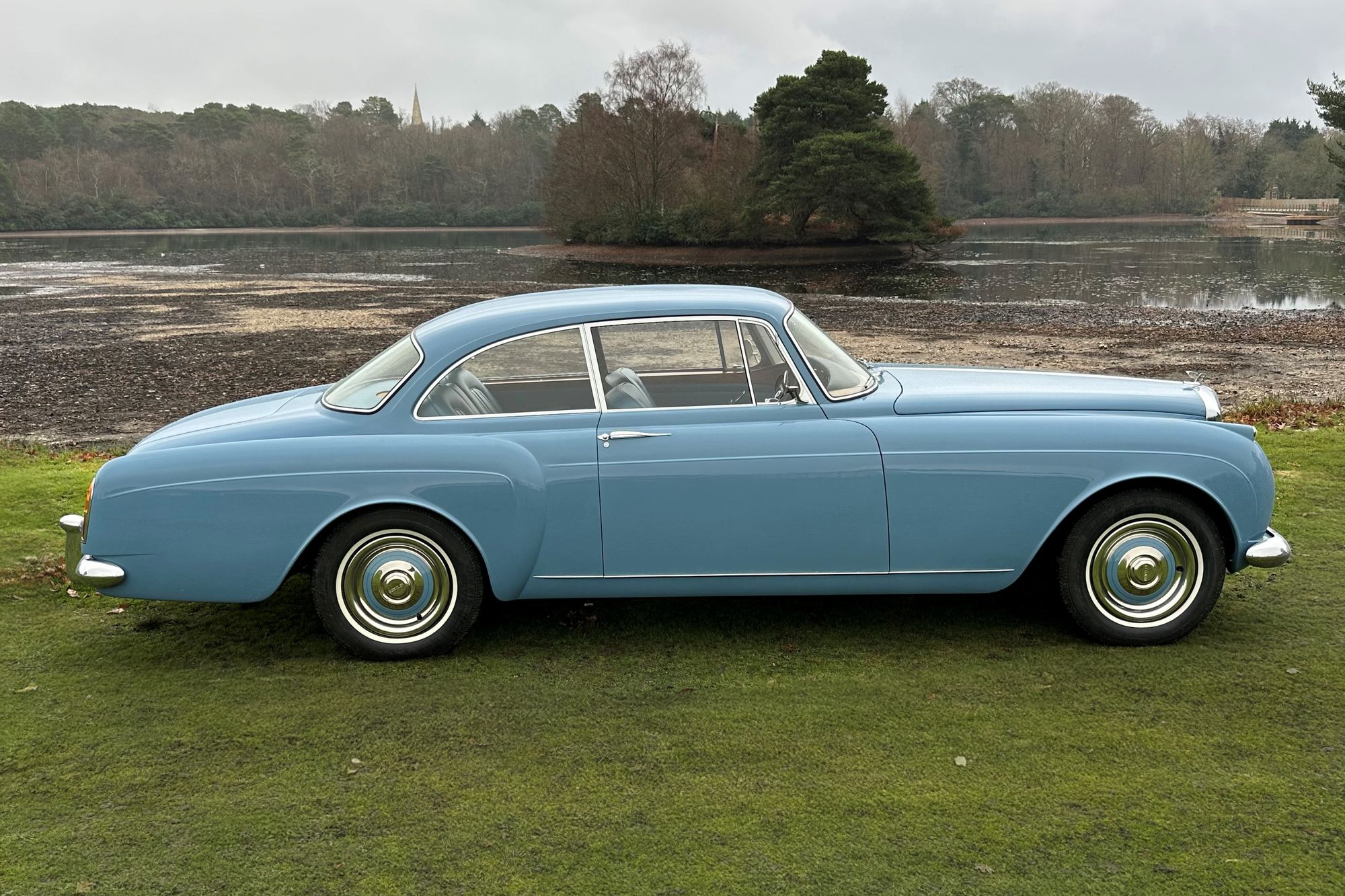
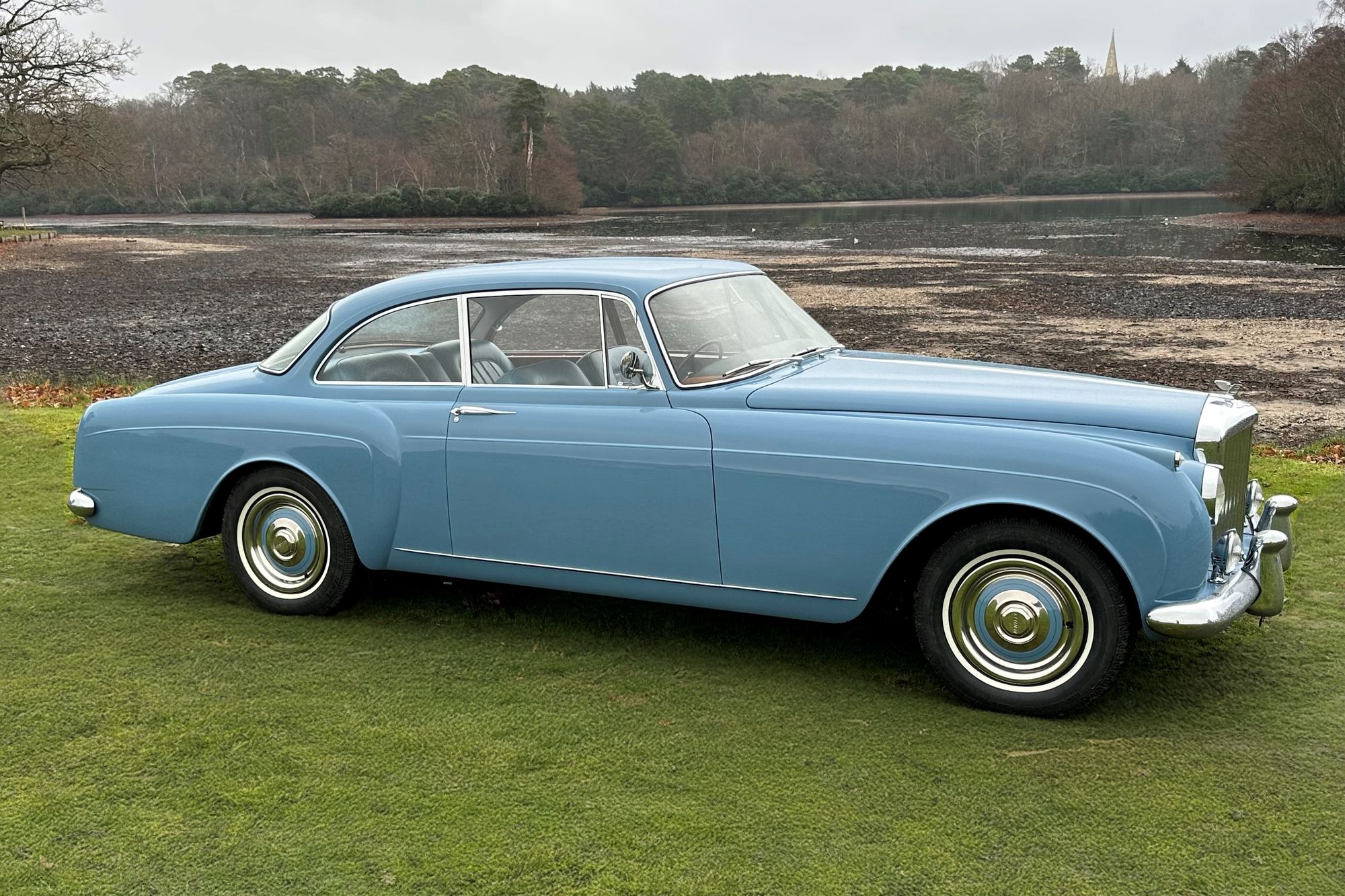
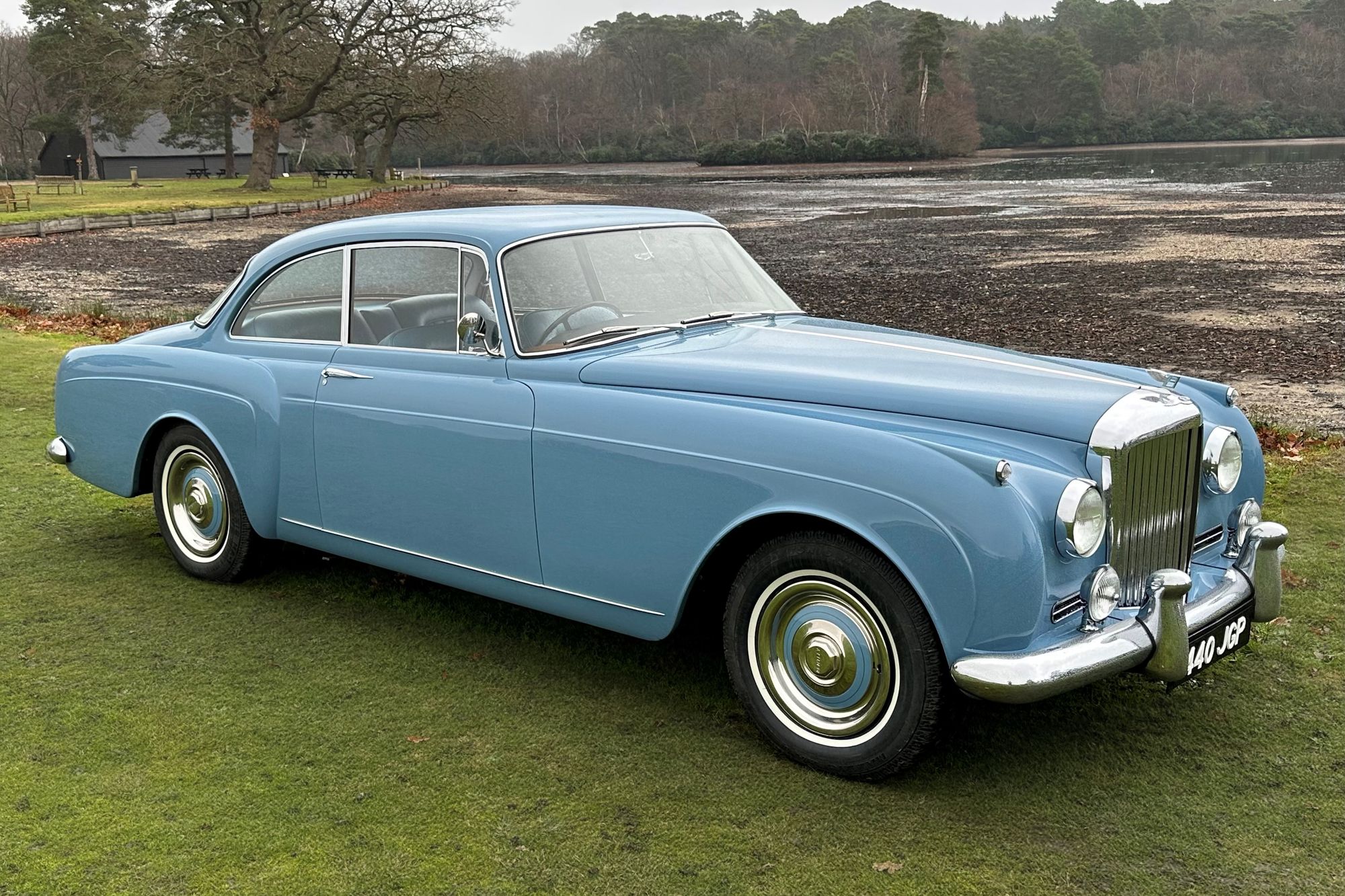
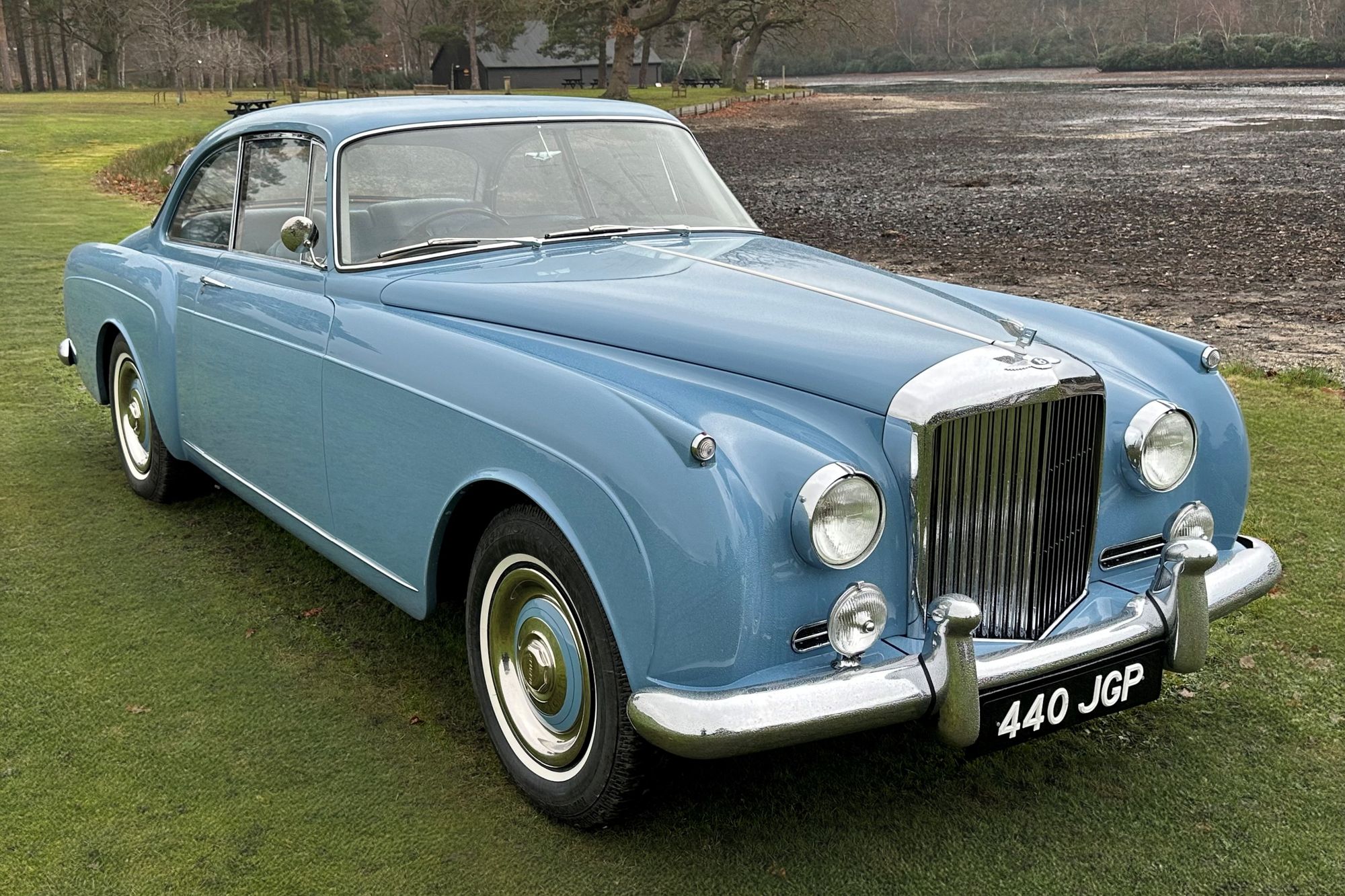
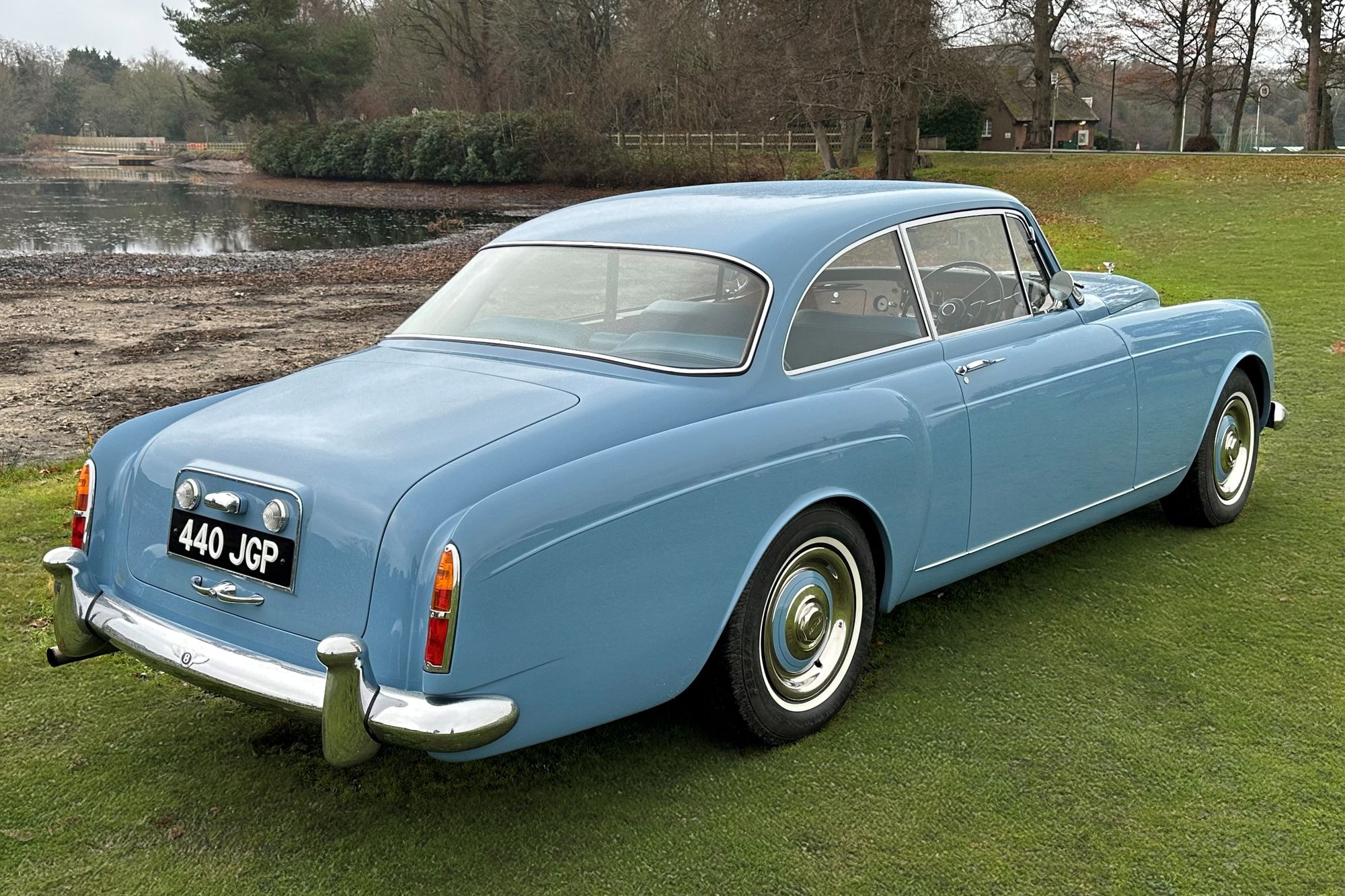
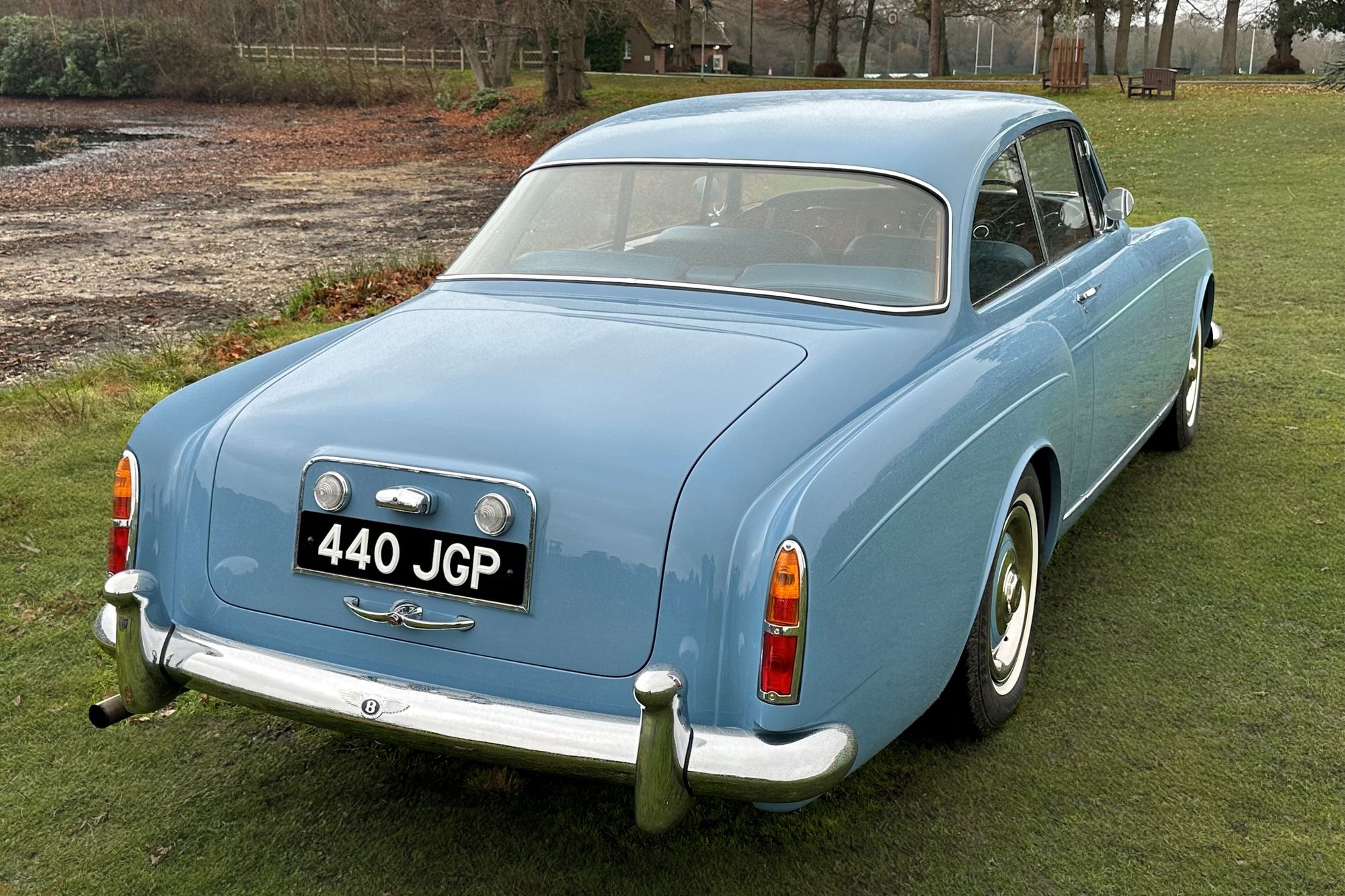
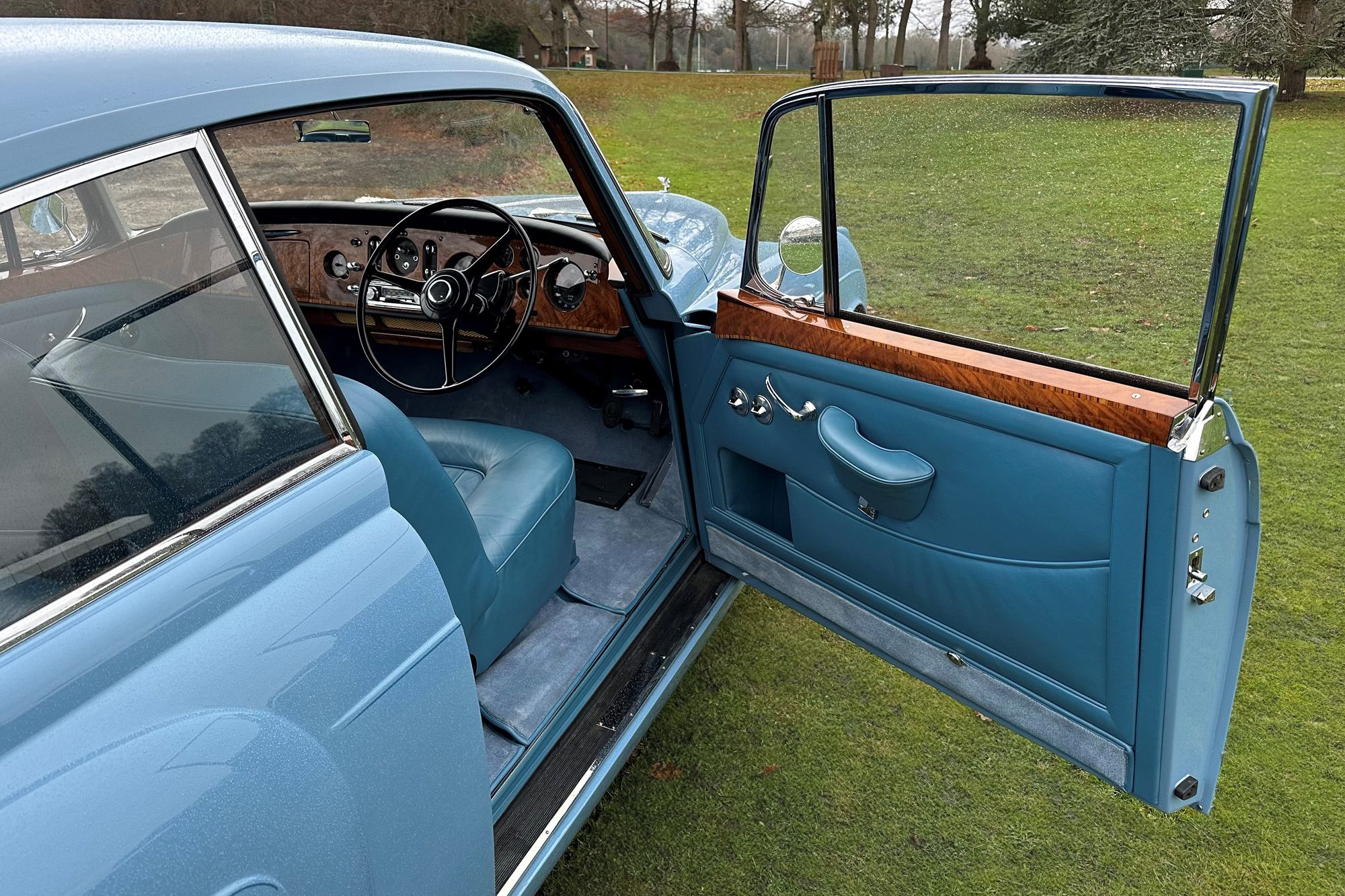
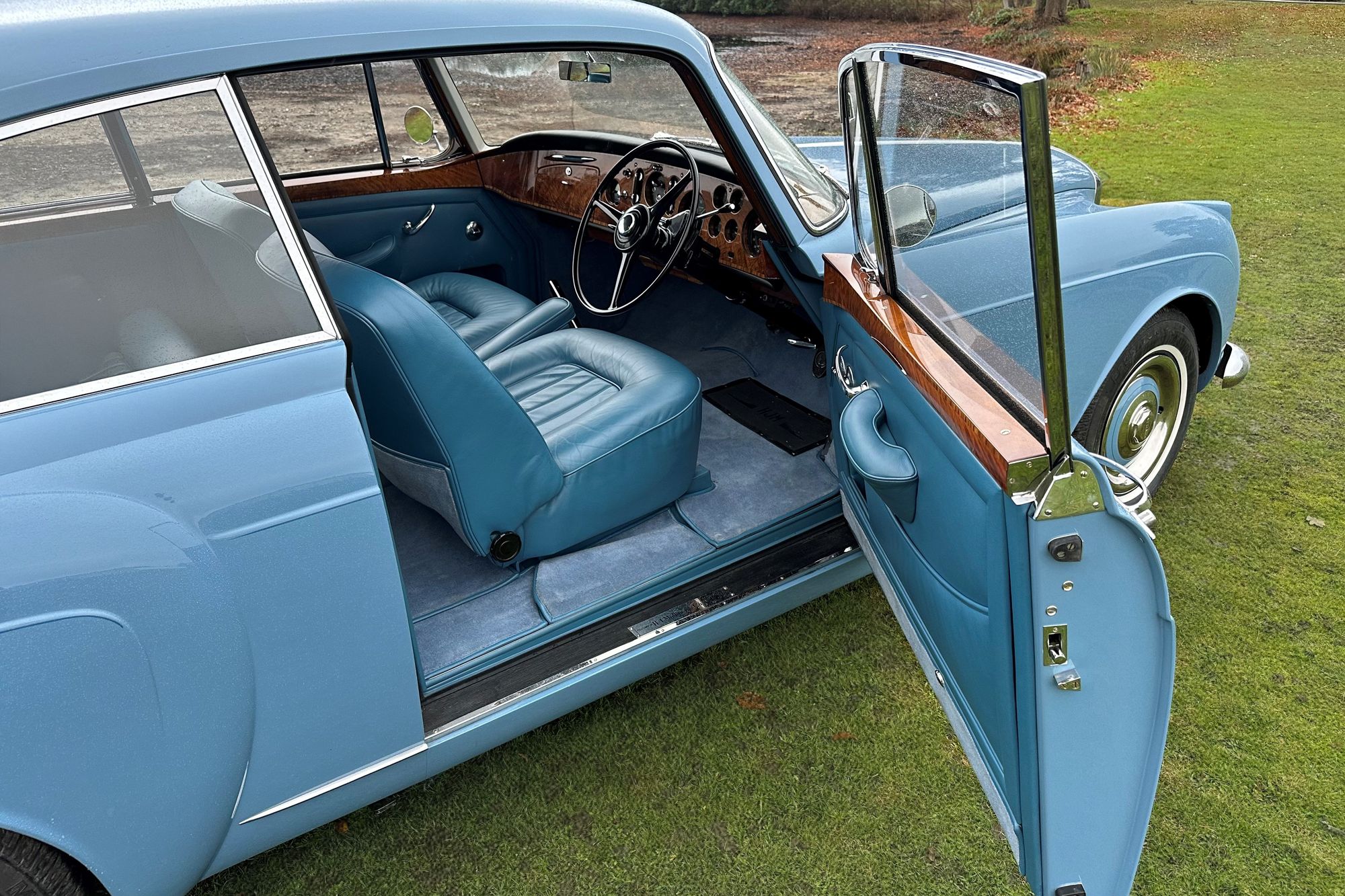
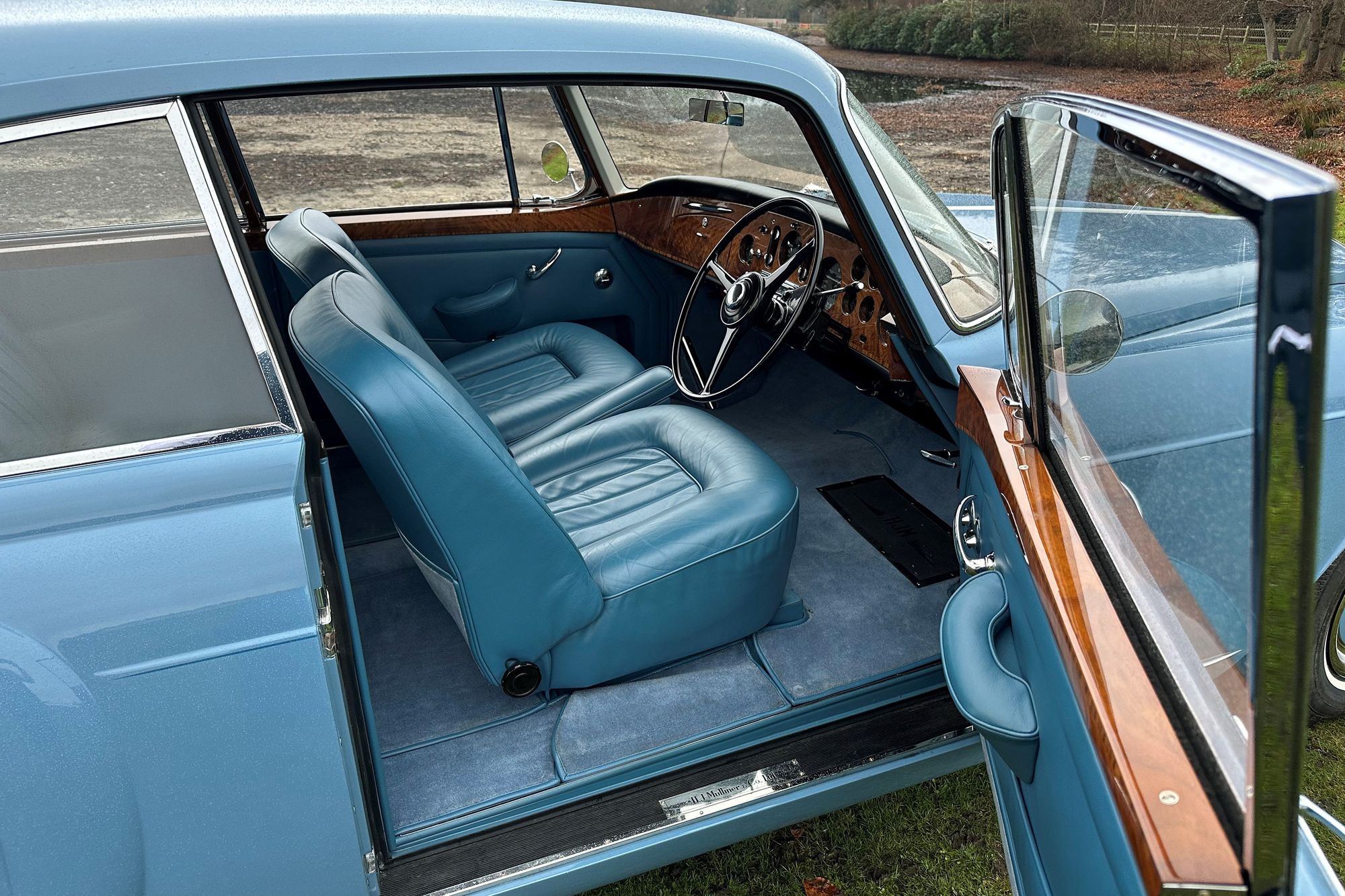
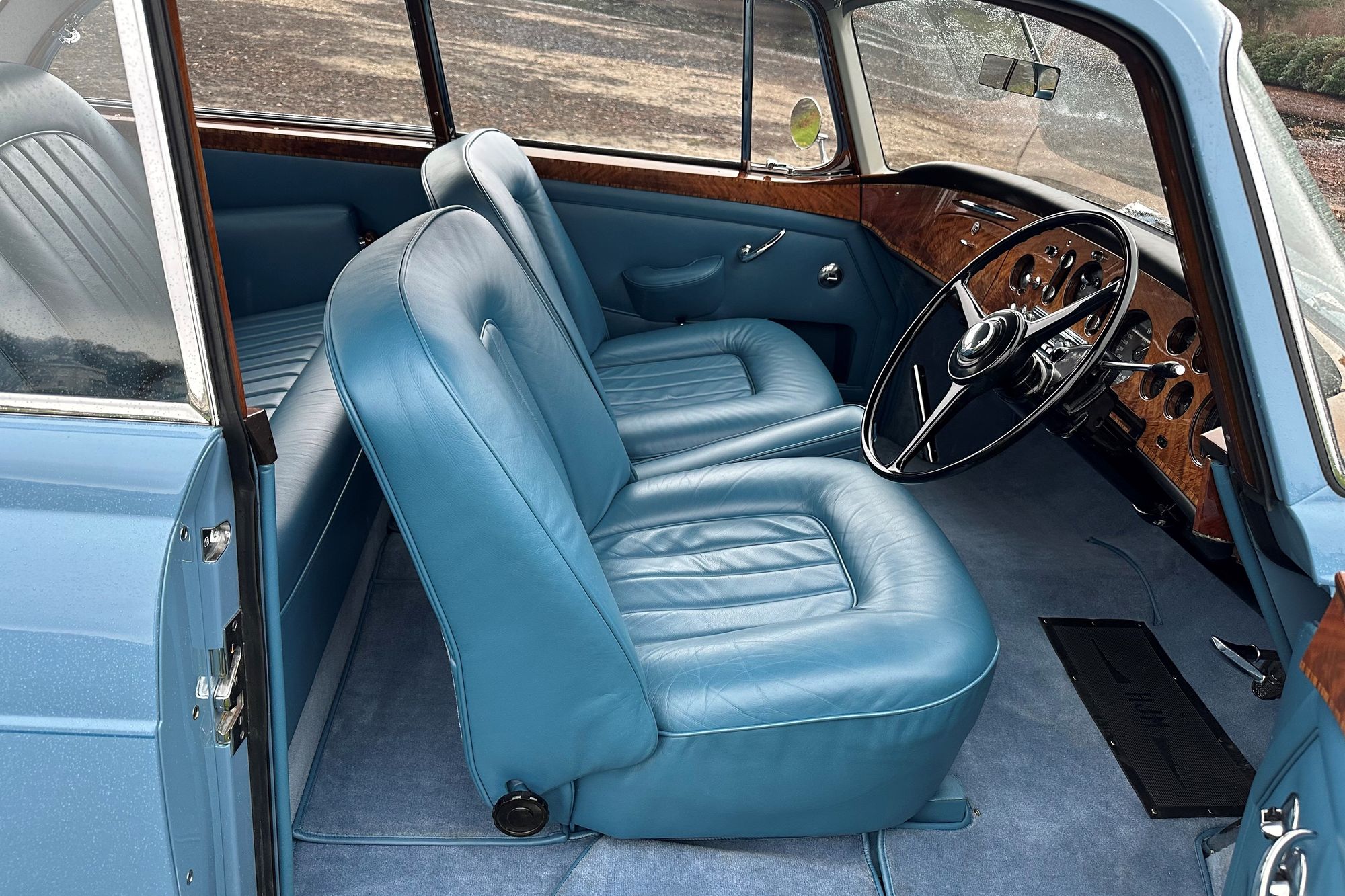
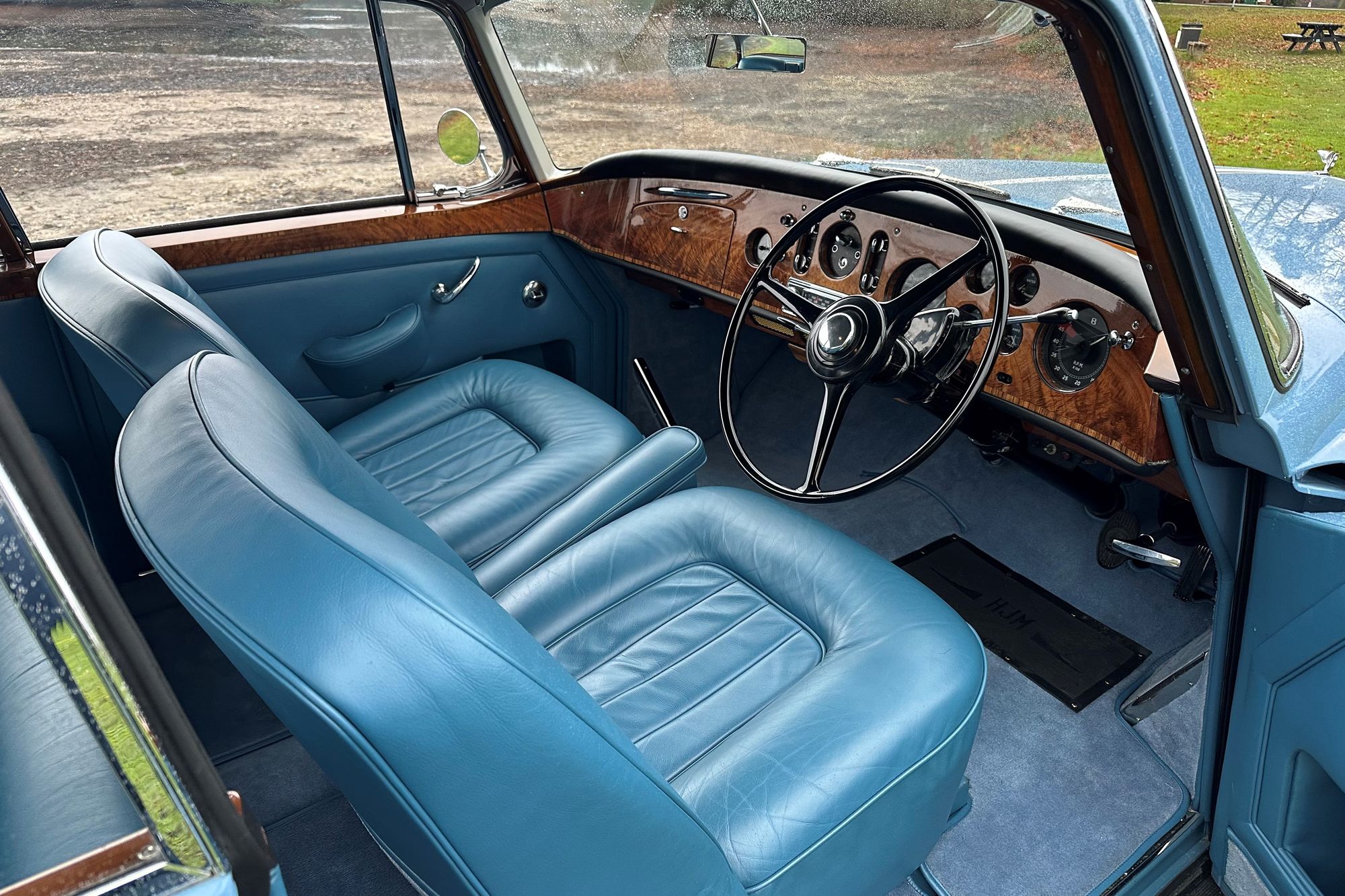
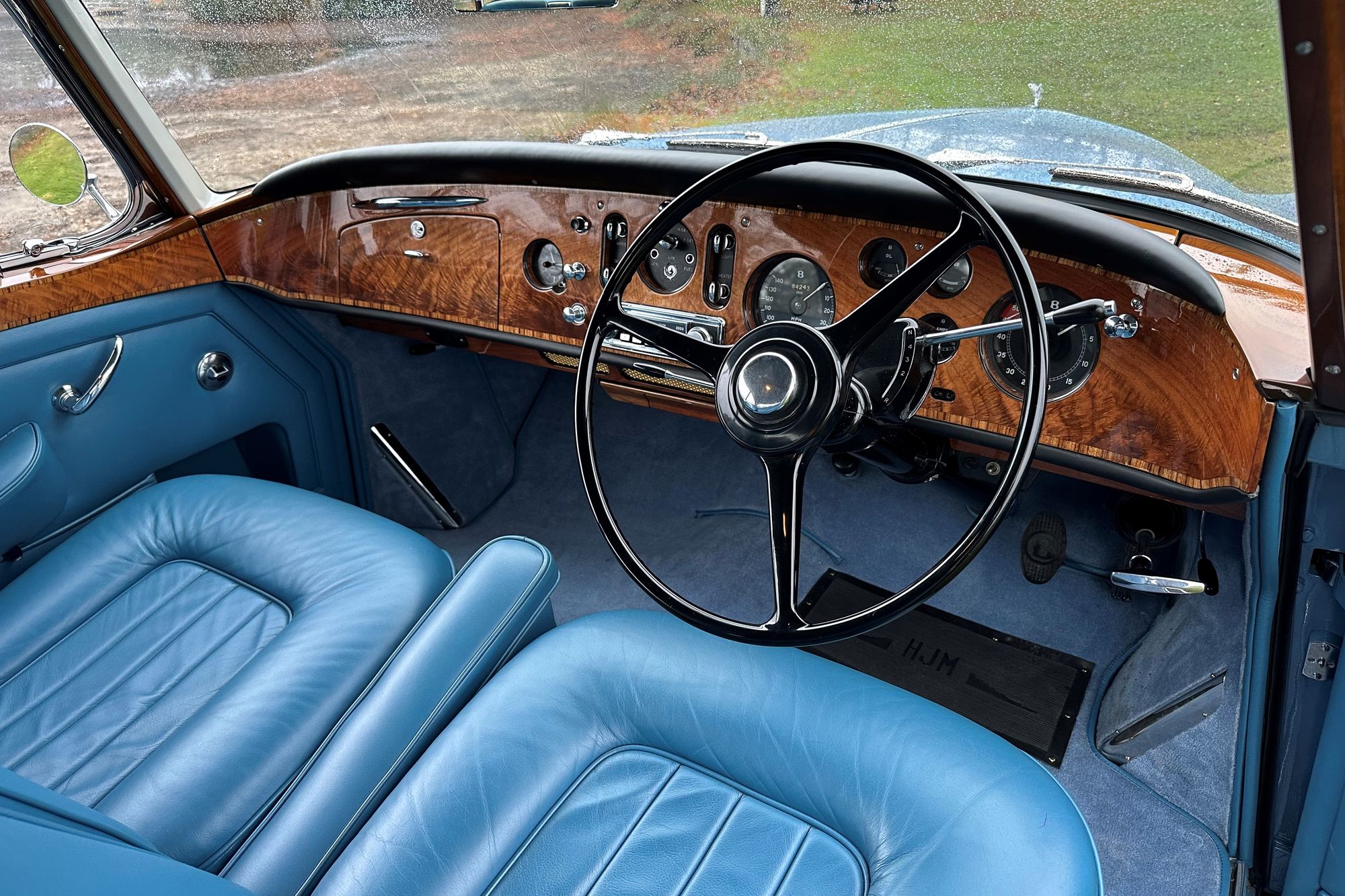
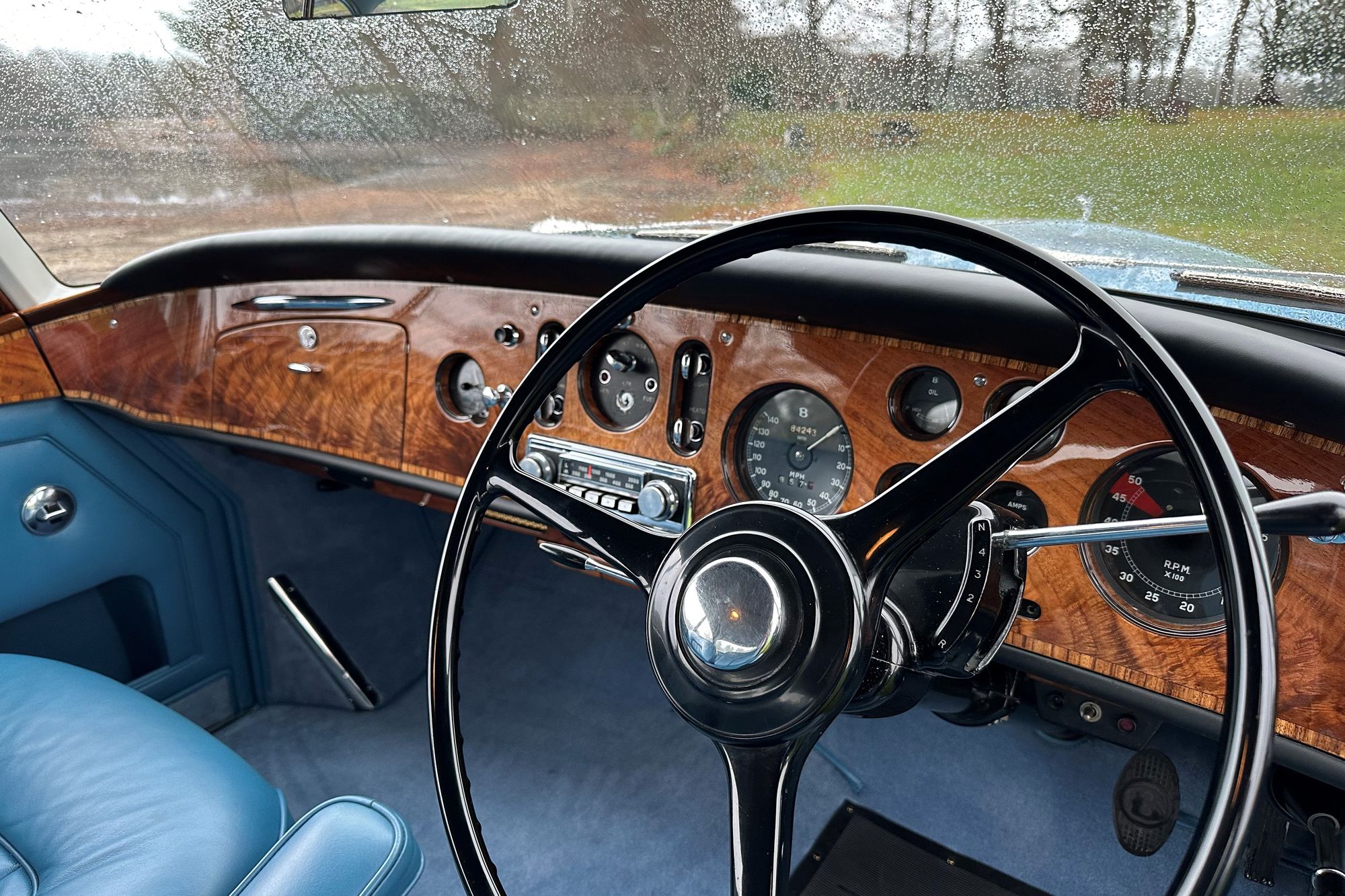
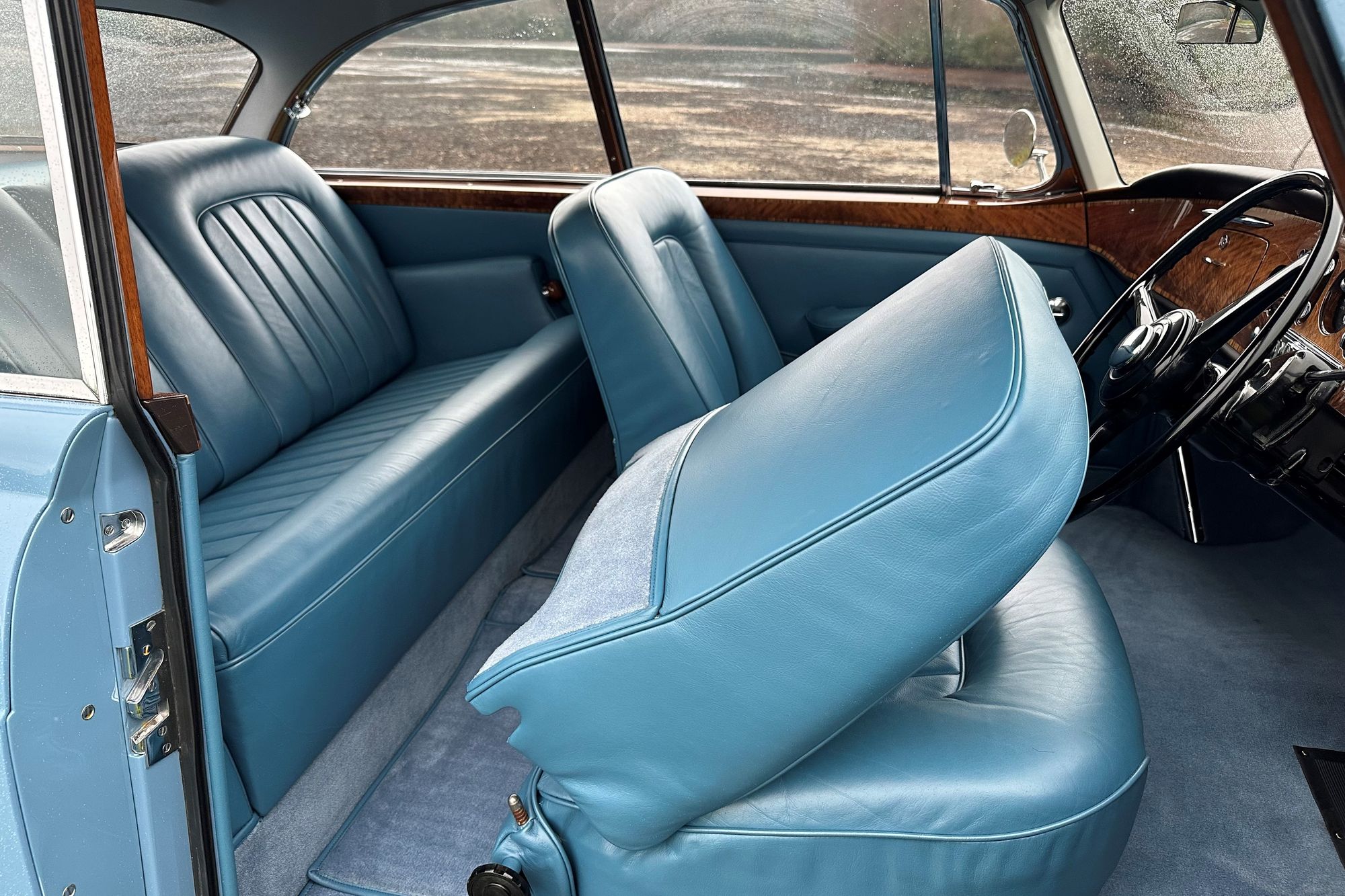
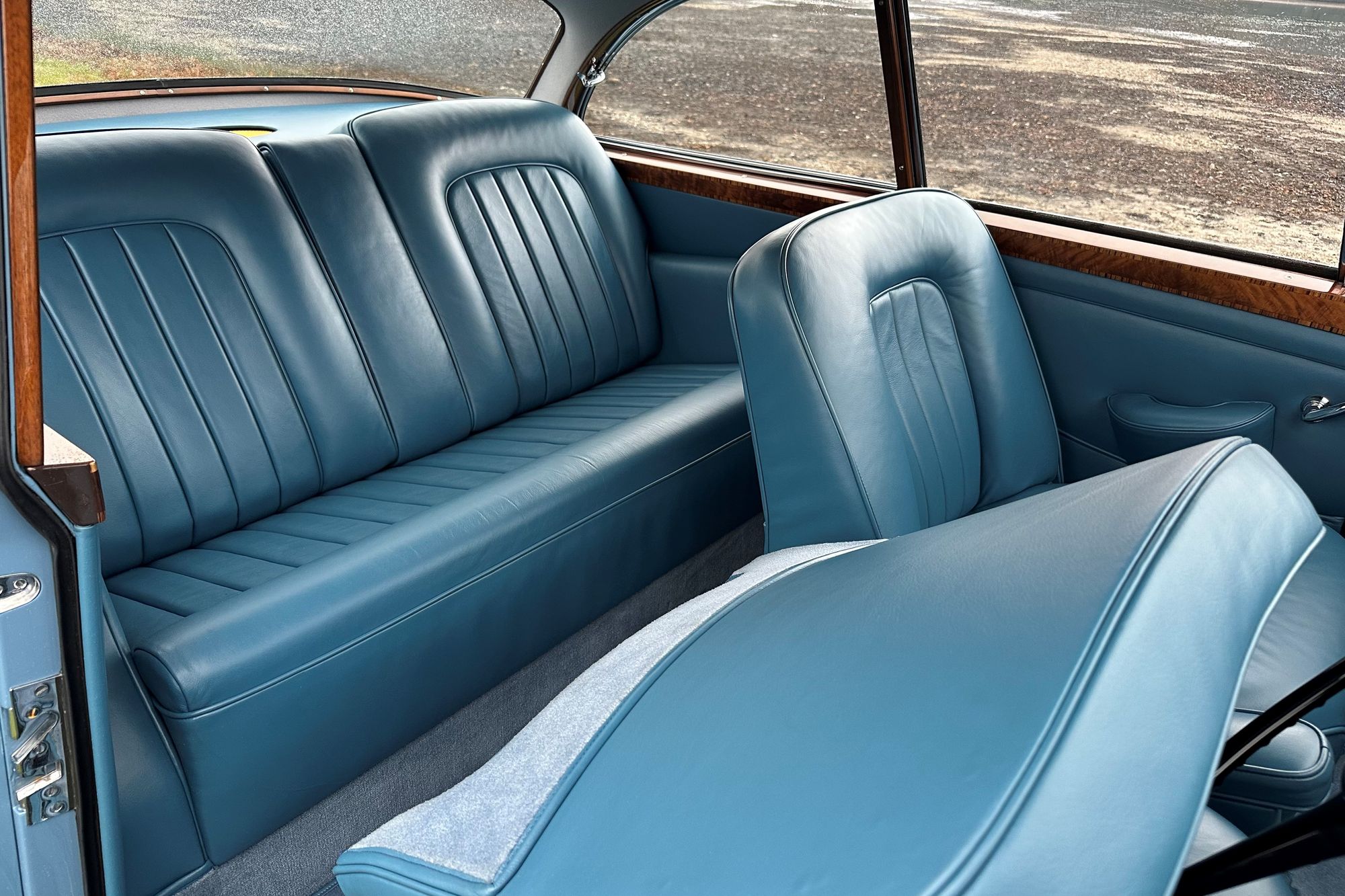
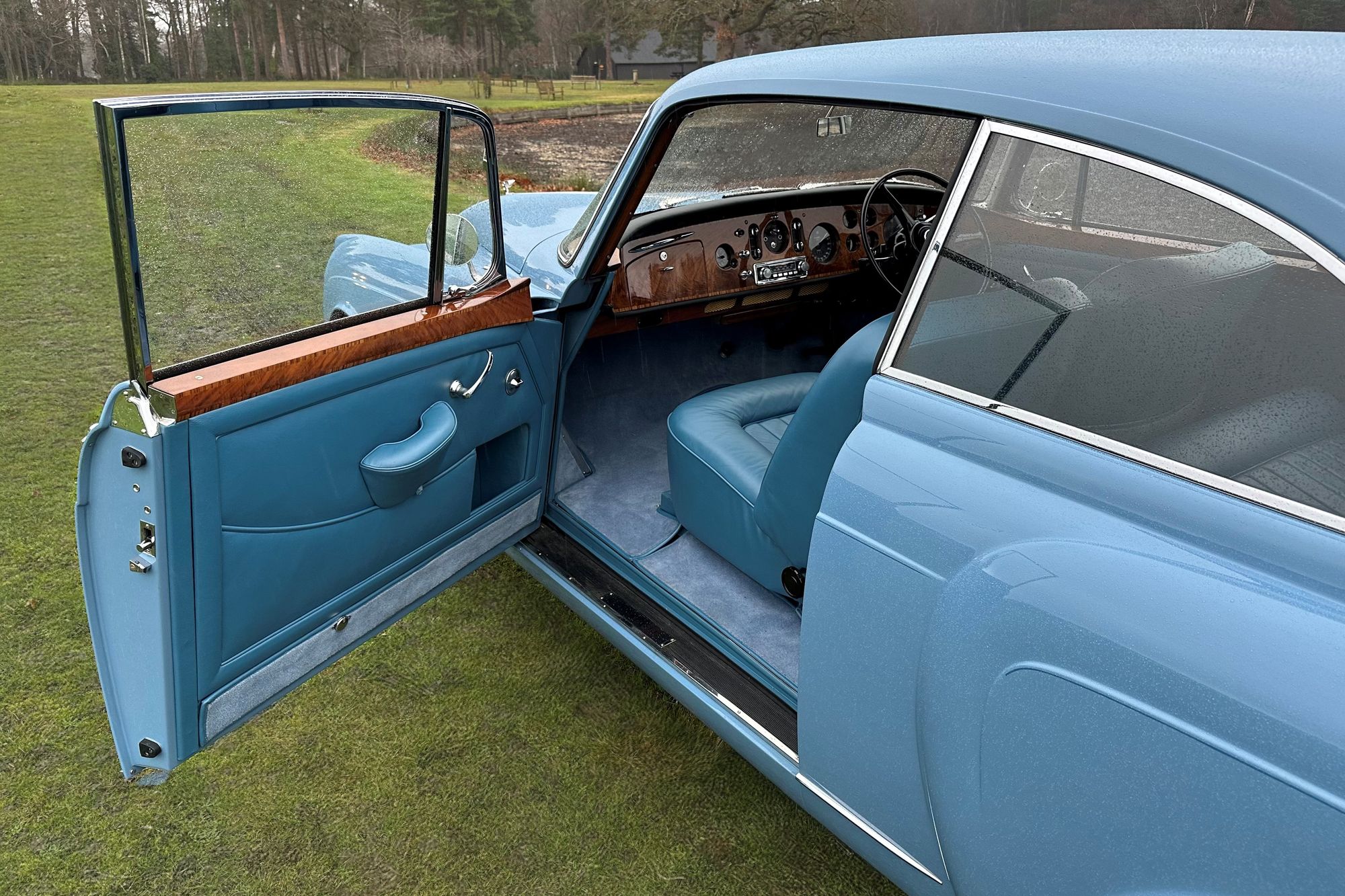
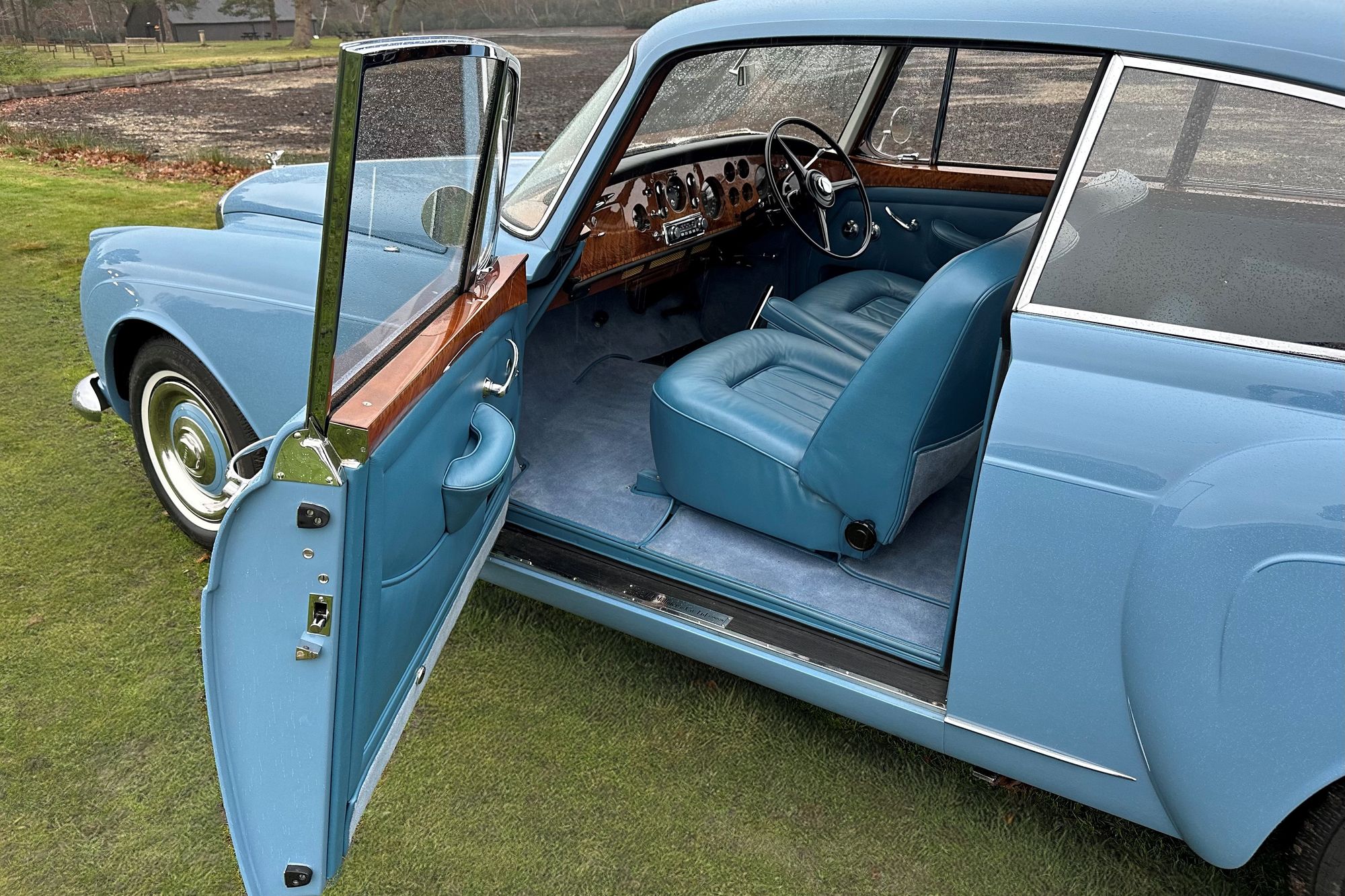
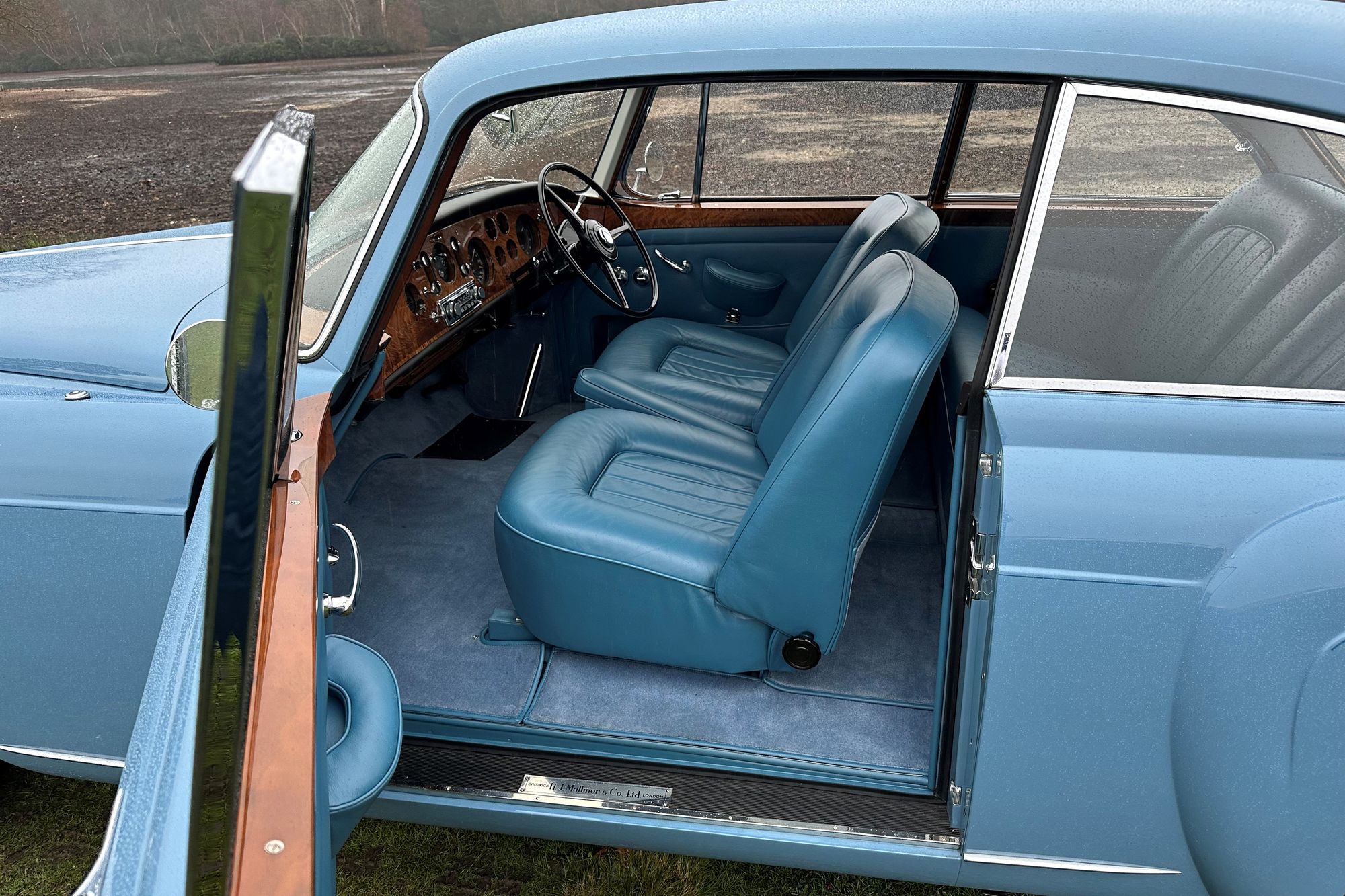
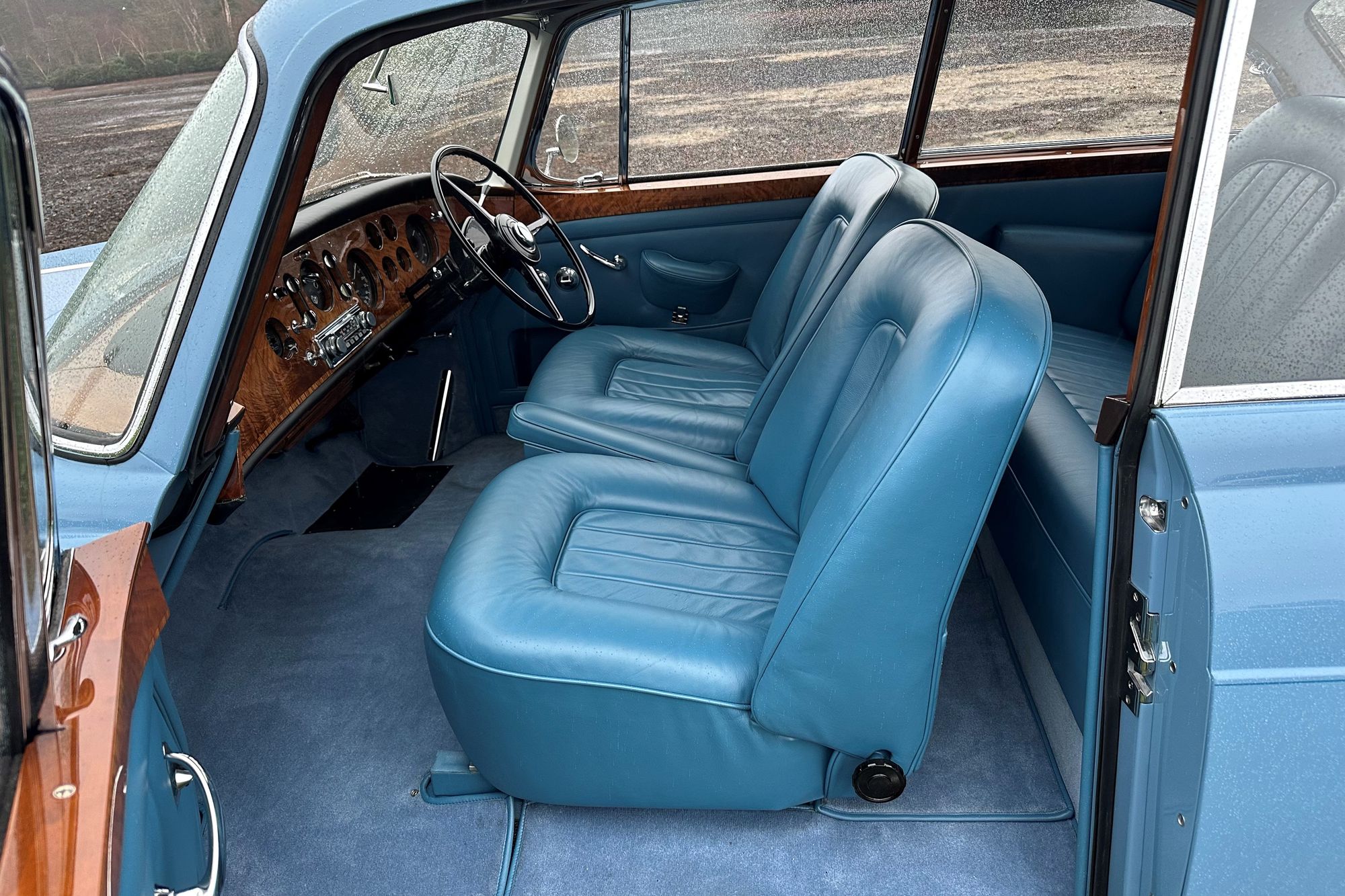
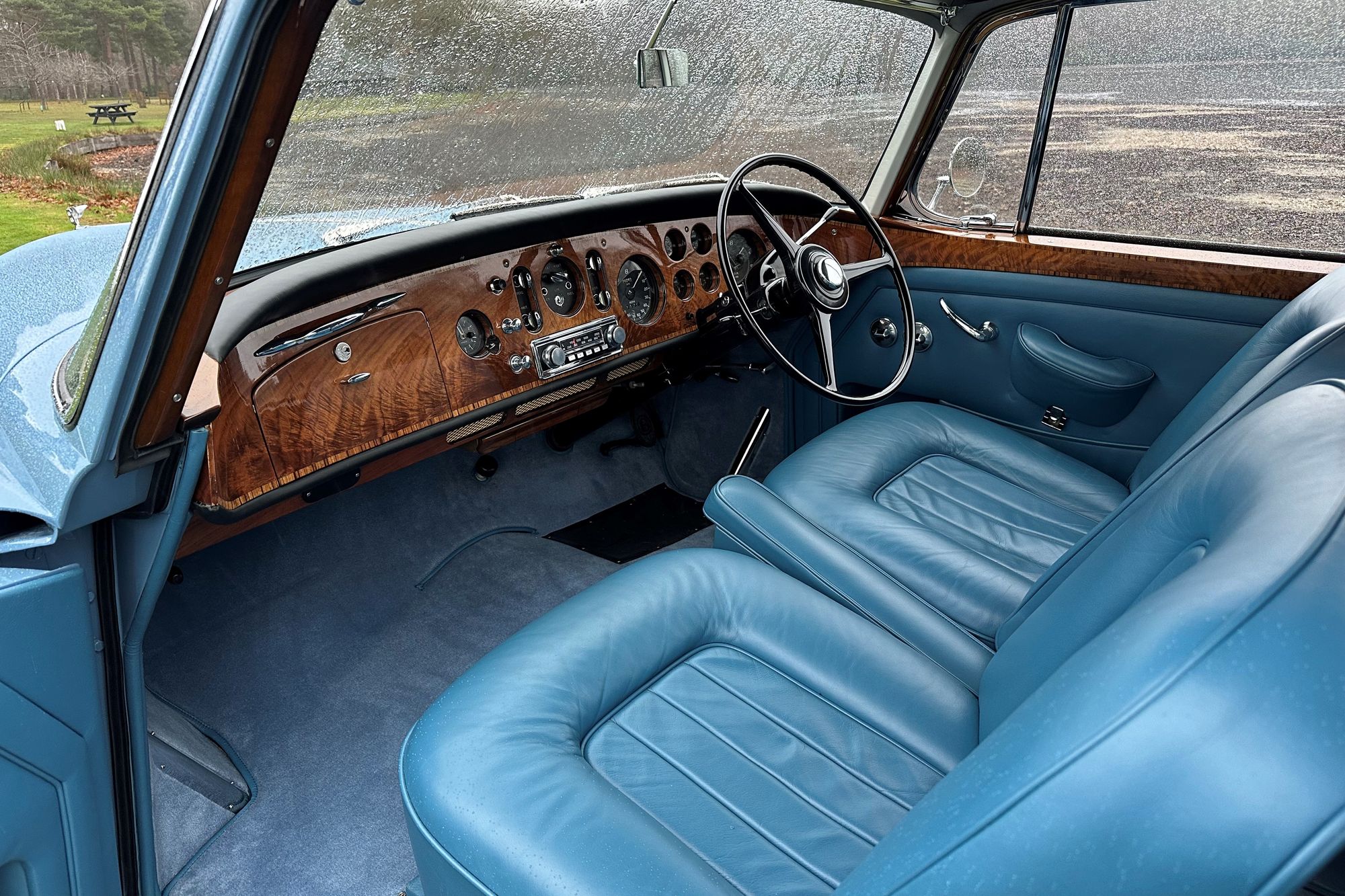
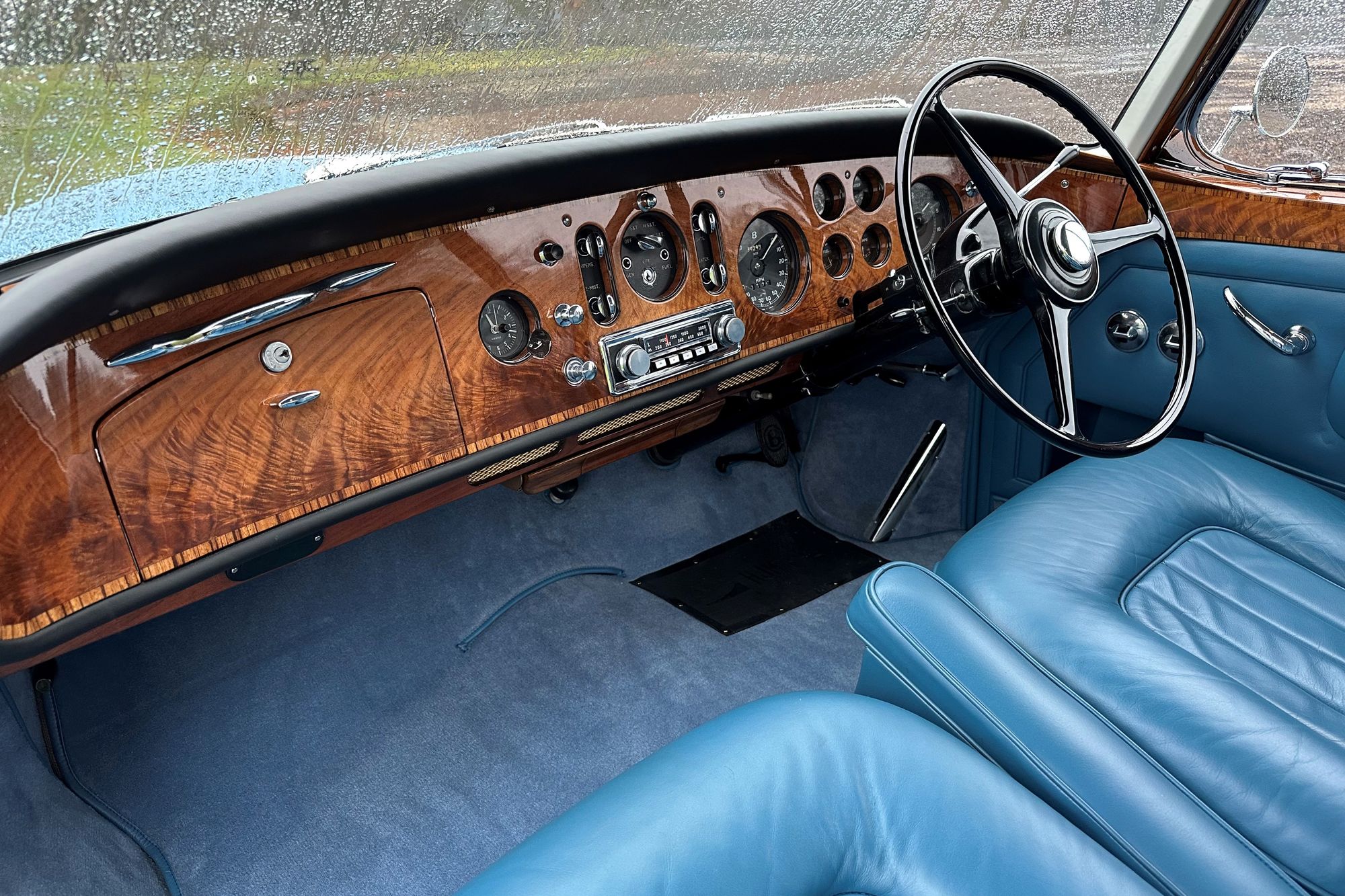
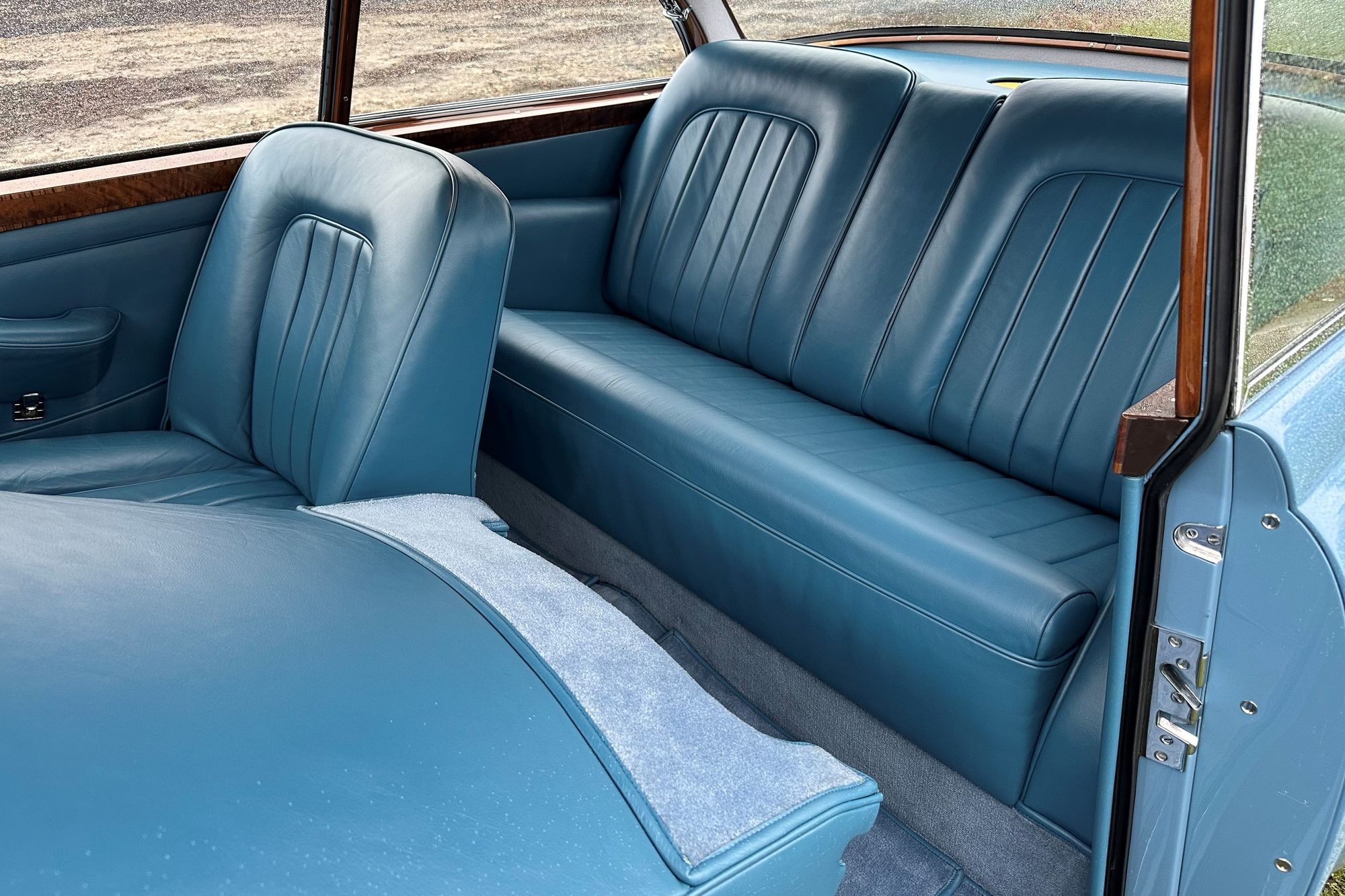
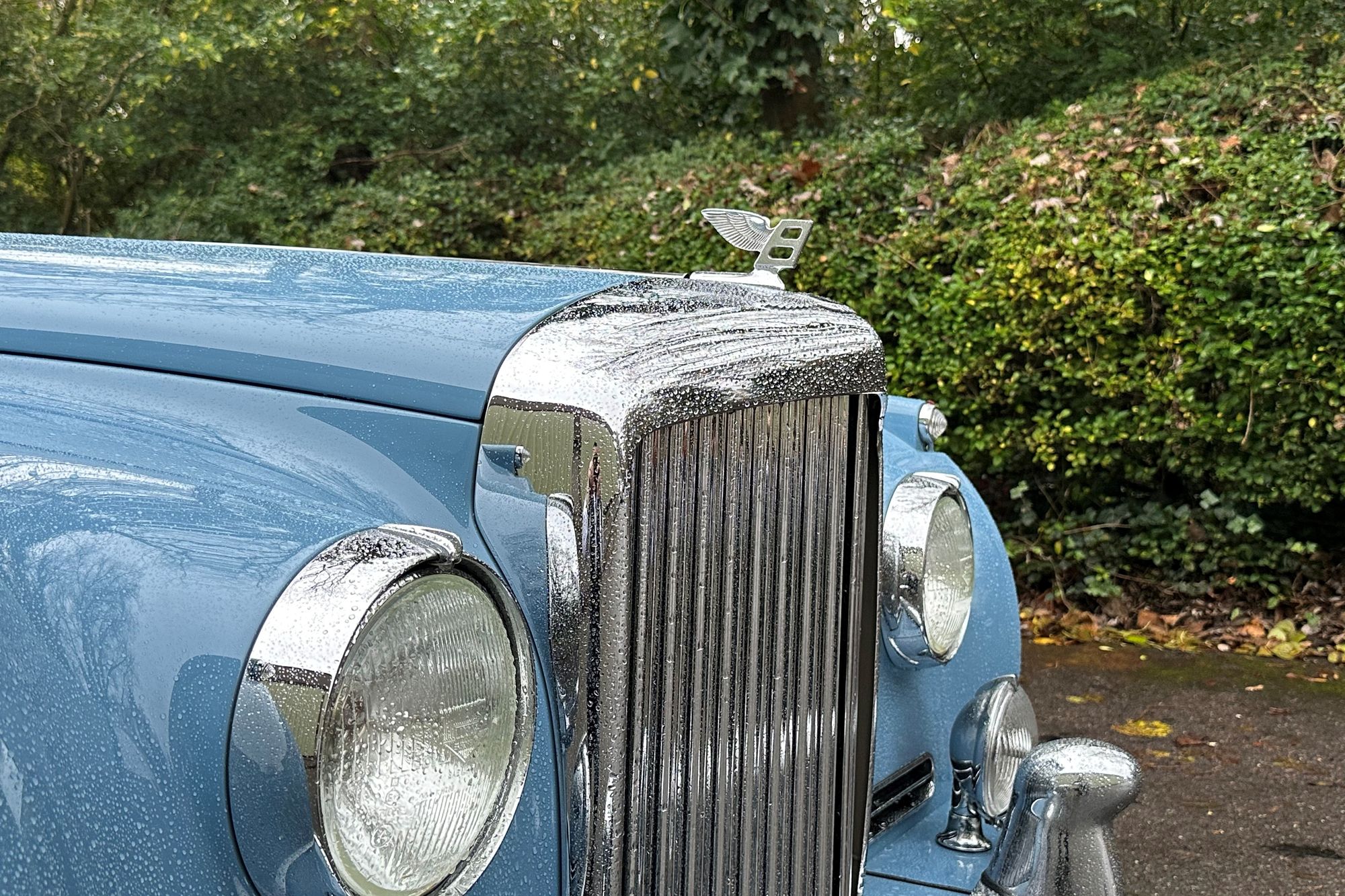
- Still in its original colour scheme of Capri blue with a blue leather interior
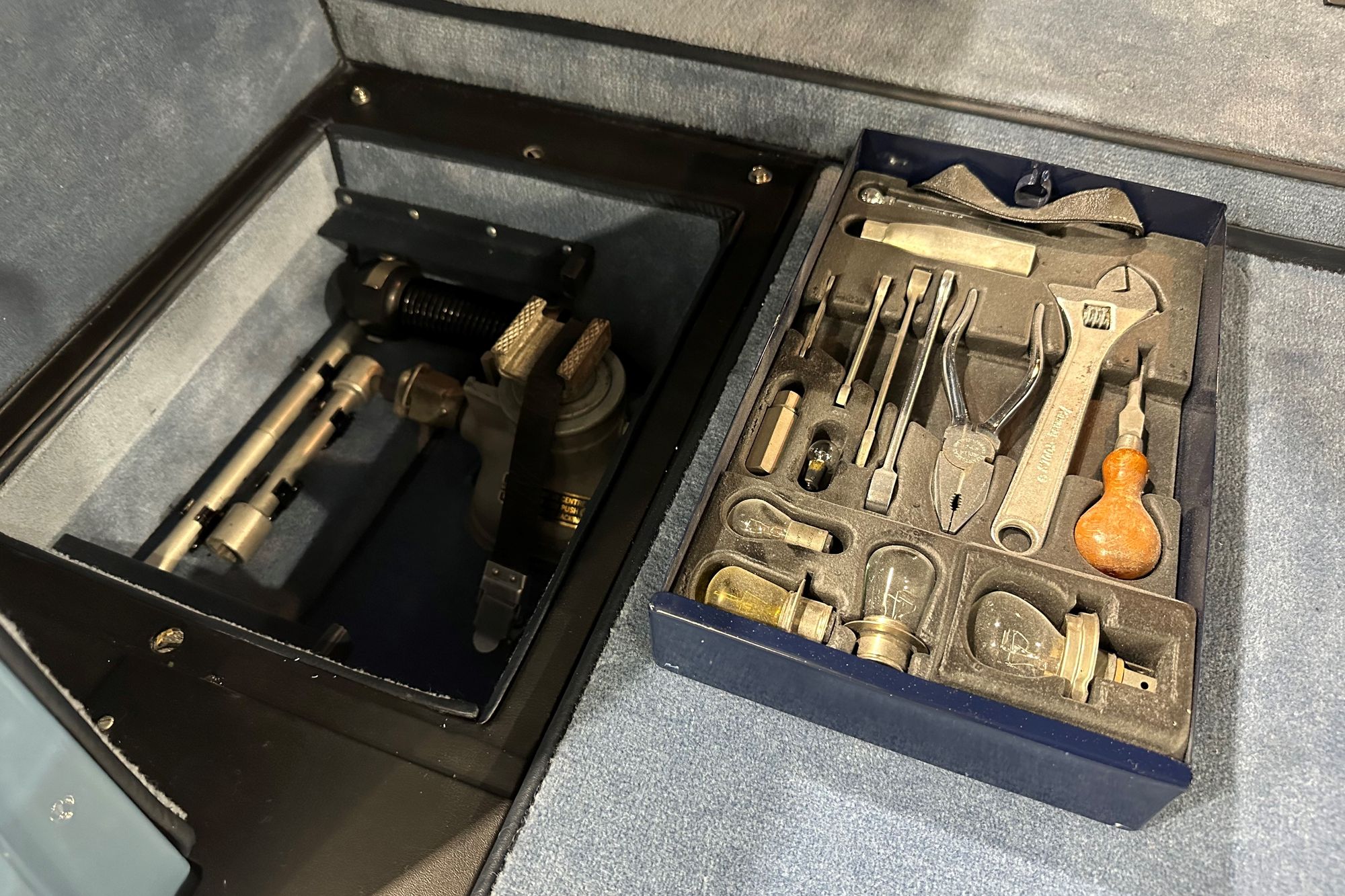
- Complete with original handbook and tools
- Approximately £500,000 spent on the car during its present ownership
- Full ownership known from new to present day
- An exceptional example in every respect which is ideal for concours and or touring
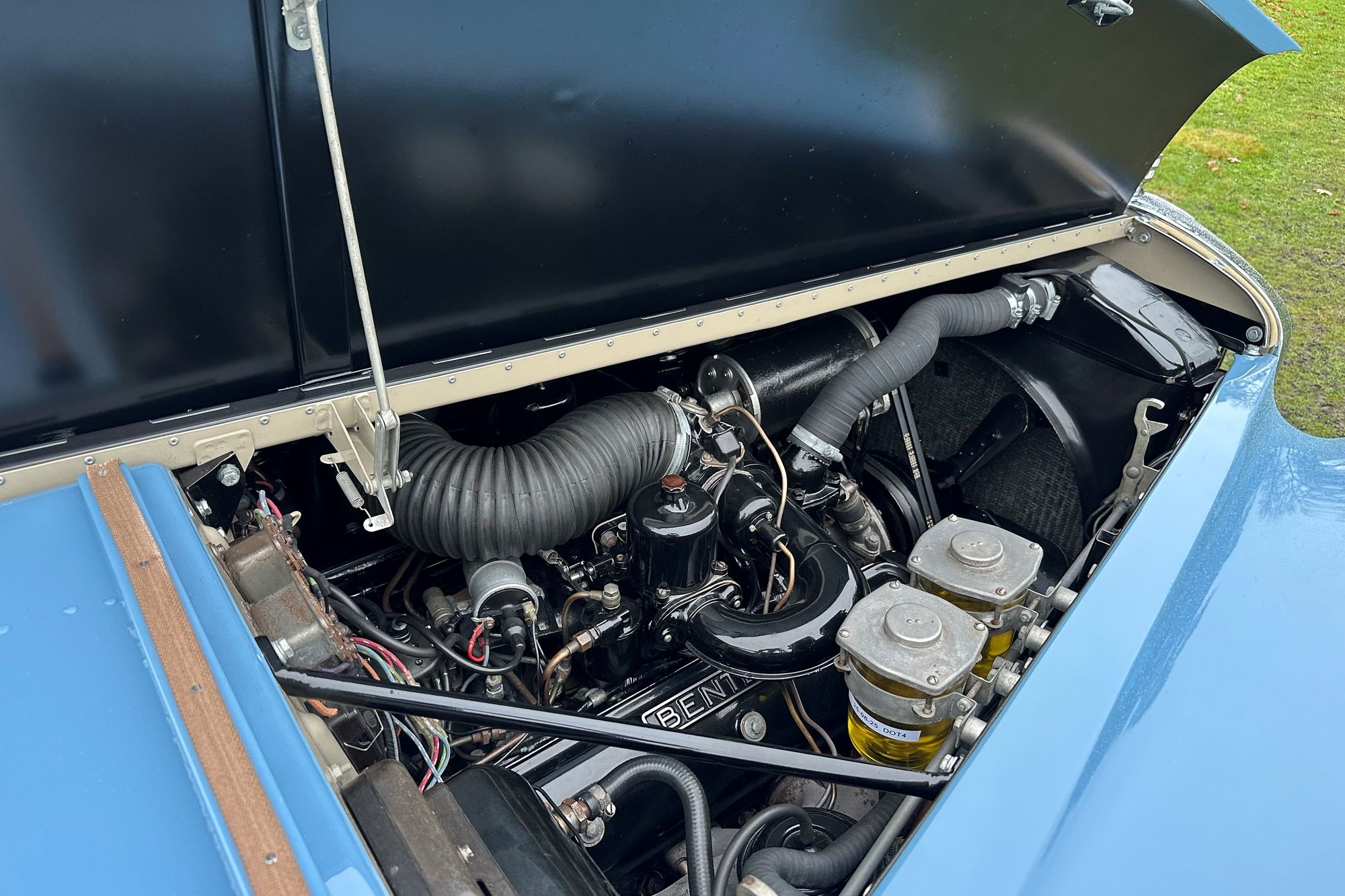
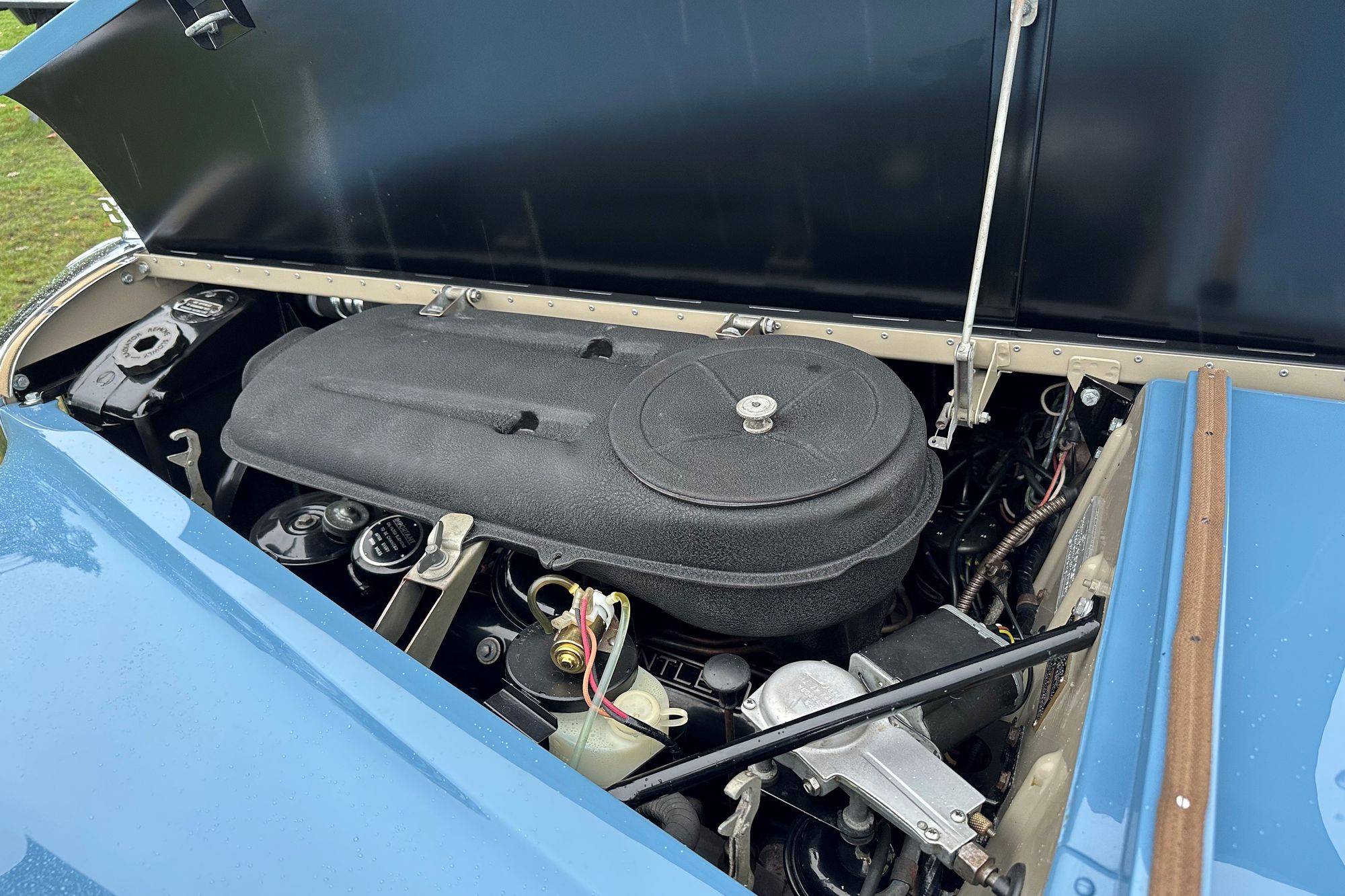
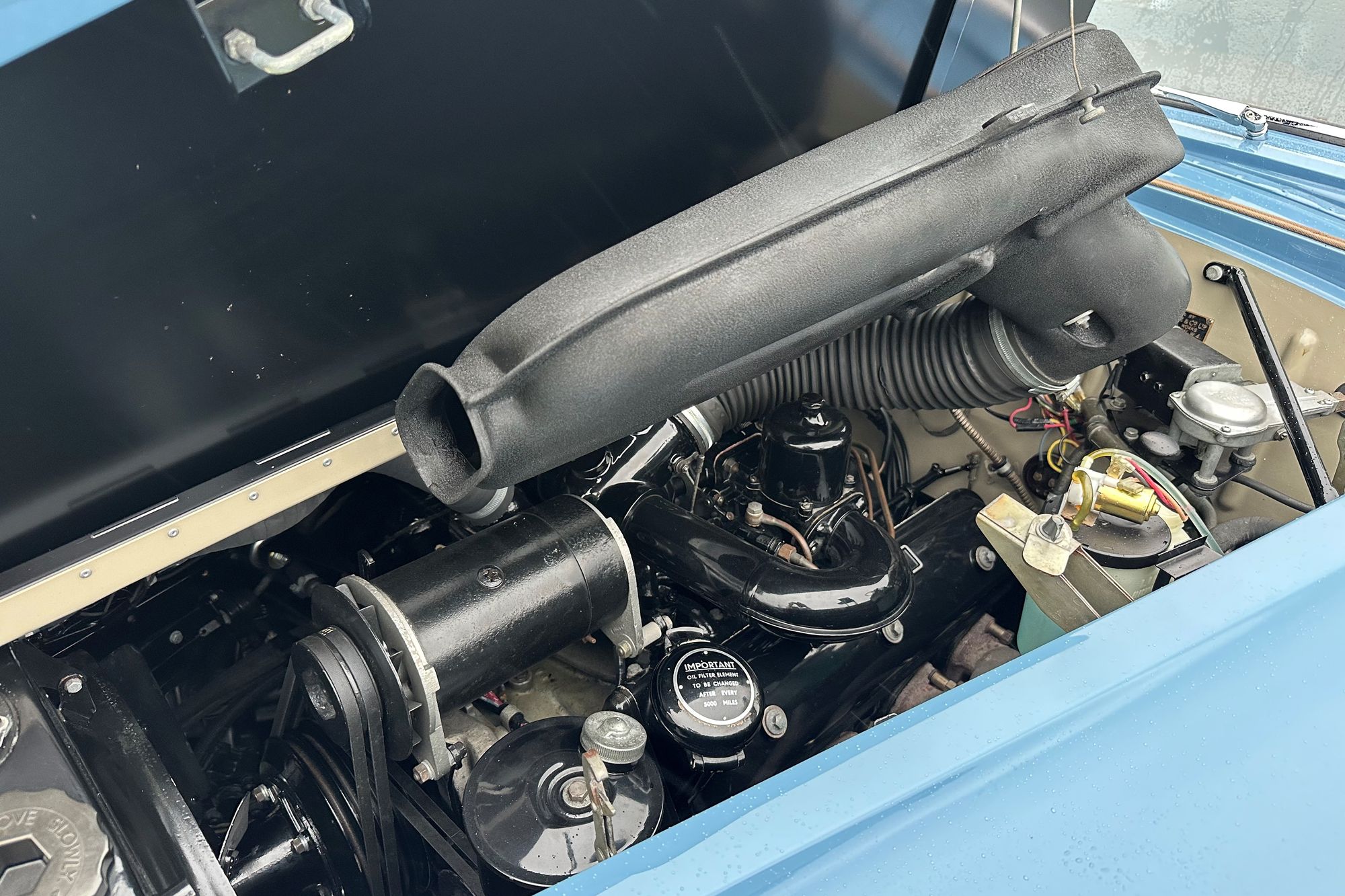
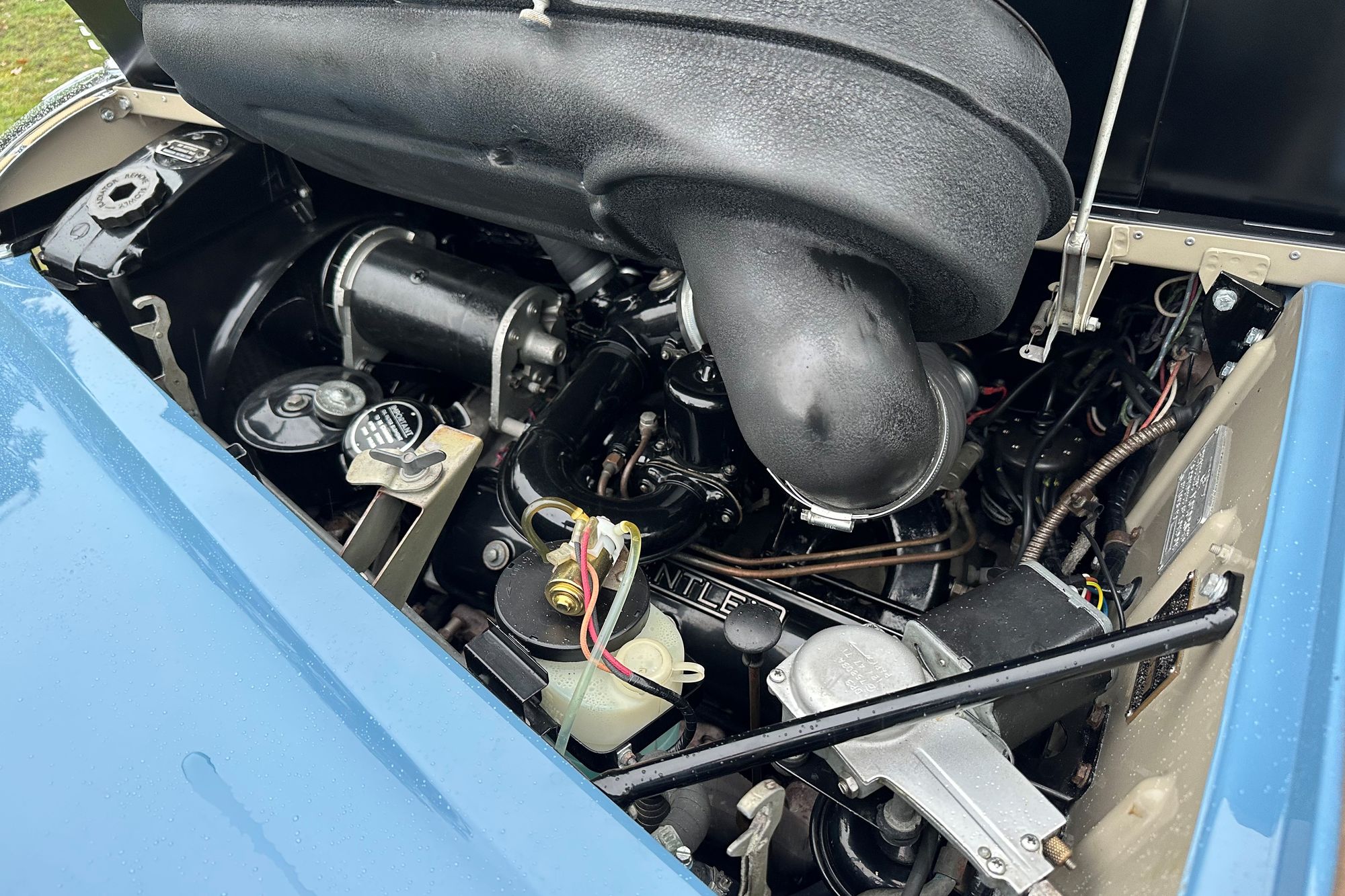
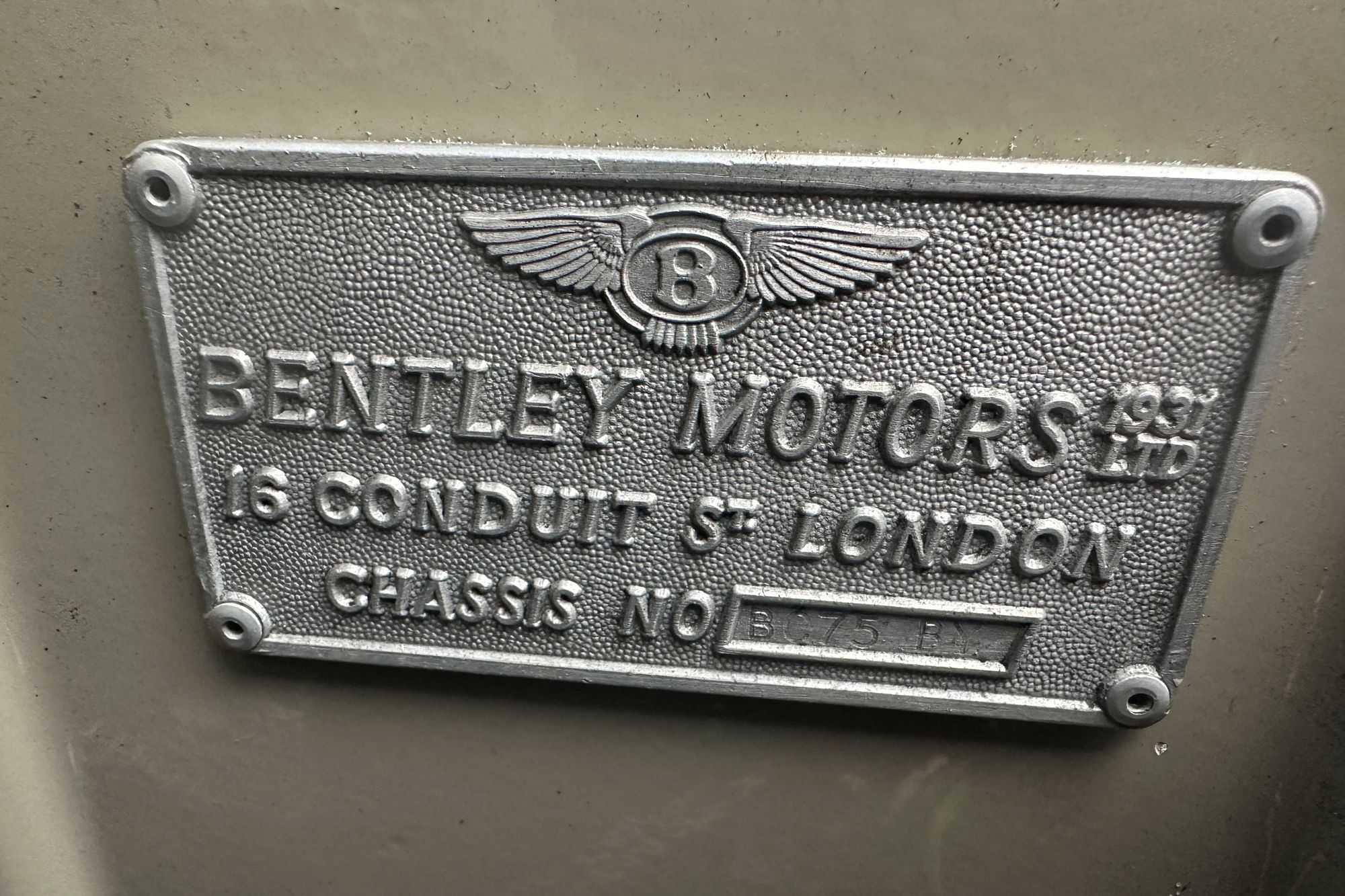
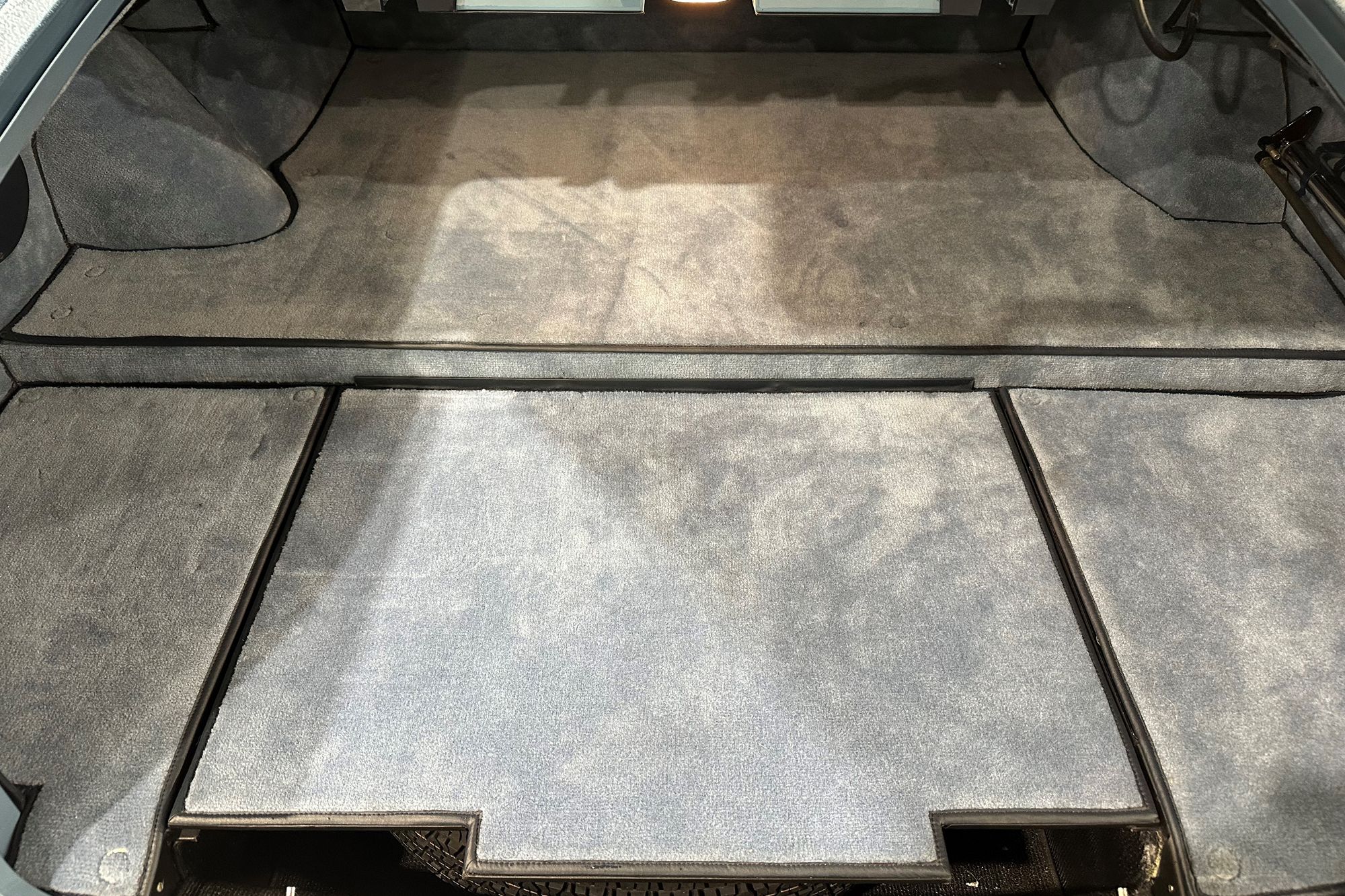
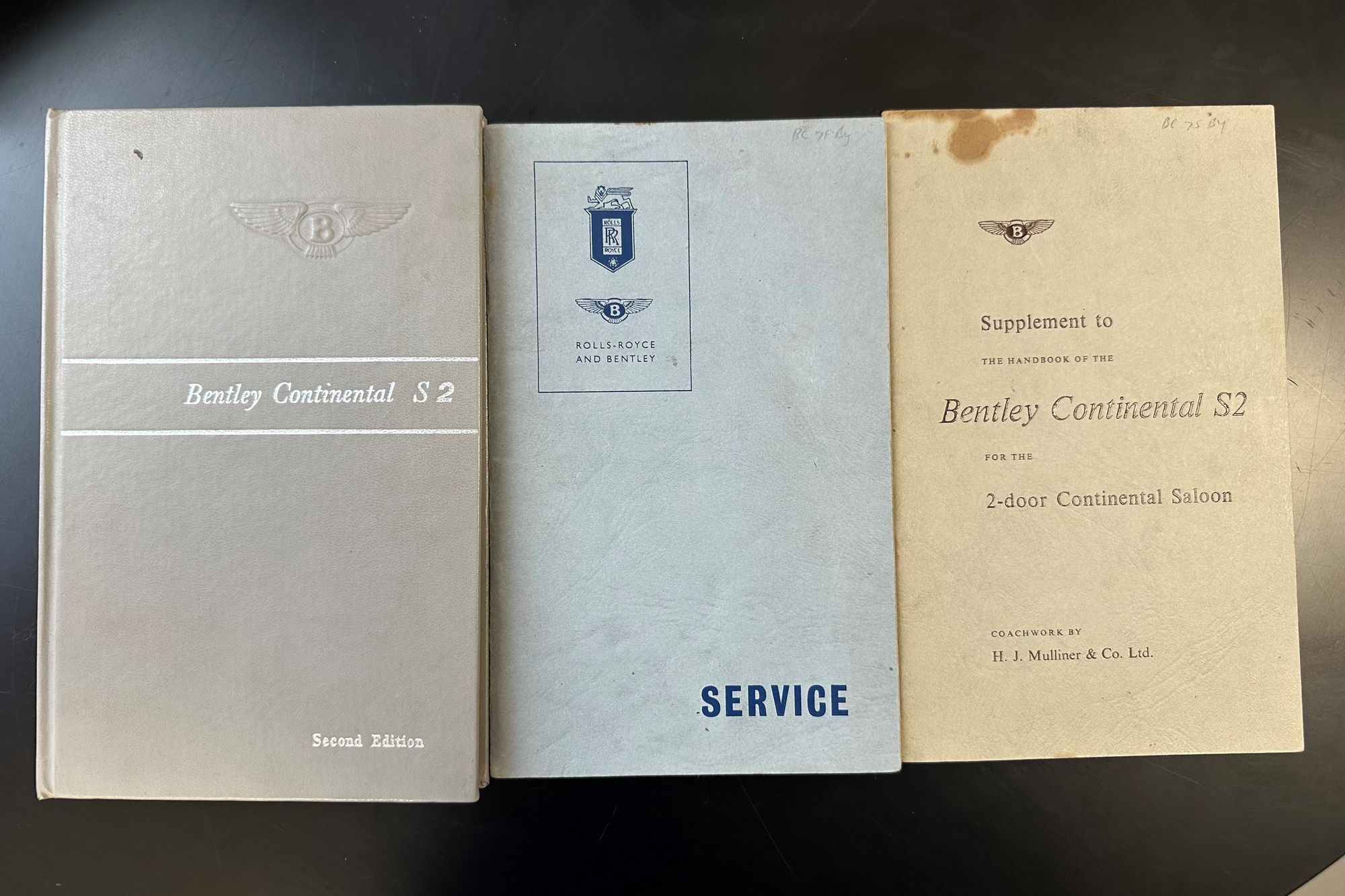
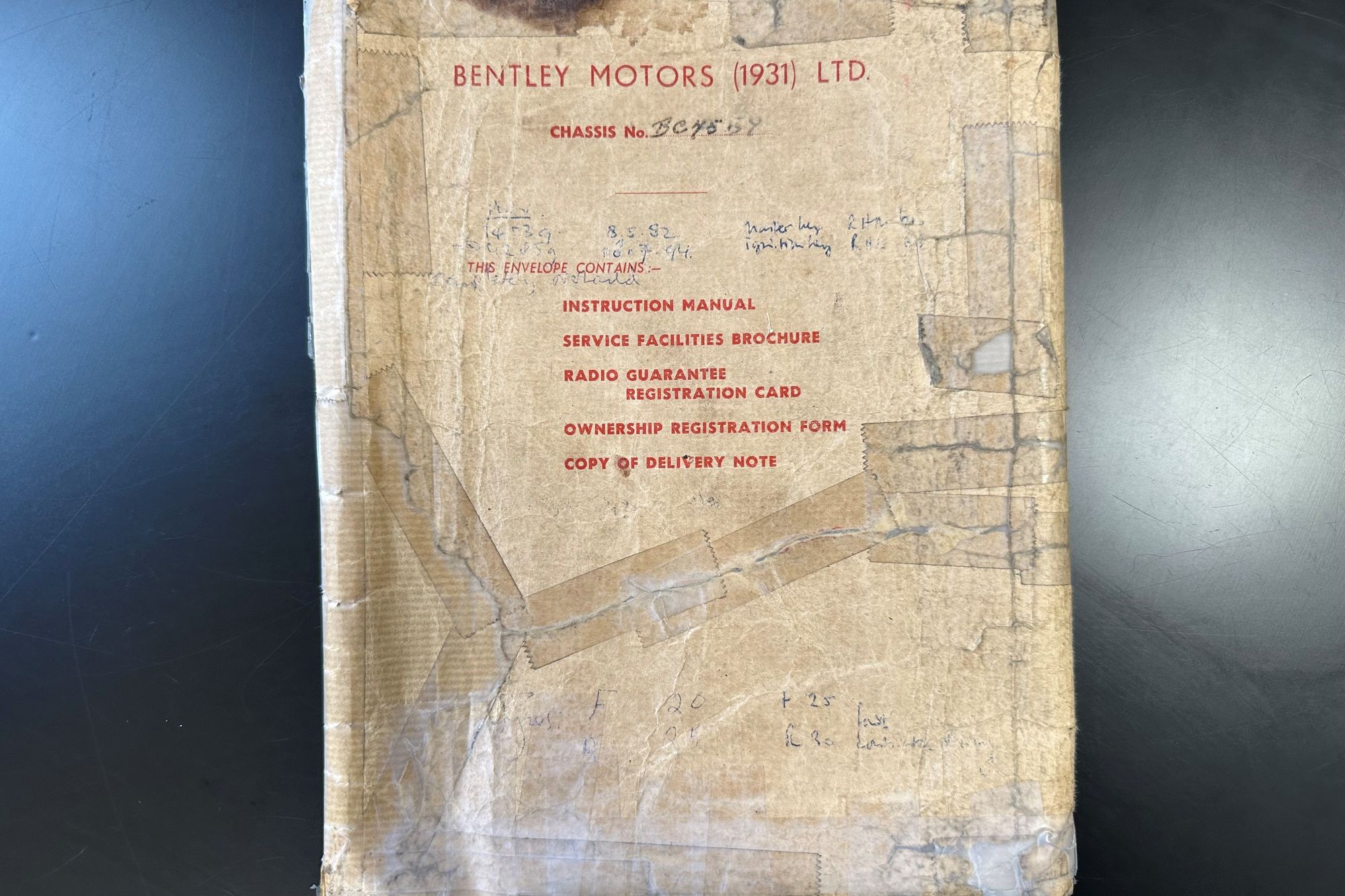
Chassis No BC75BY is the forty-third of just seventy-one examples built to design number 7514 in right hand drive by H.J. Mulliner. The coachwork was constructed entirely of aluminium at their west London works, completed to order for each individual customer in the bespoke fashion that Bentley owners were accustomed to. This example was originally completed in April of 1961, finished in Capri blue (ICI 3103) with a blue (VM 3248) leather interior. It was supplied new by Truman and Co Ltd to Norman Field Investments Ltd of Nottingham and remained in the use of Mr Field until April of 1972 when it was sold to The Fenchurch Group in London. The following year it was acquired by Martin Sargeant of Sargeants of Goudhurst in Kent, the noted and long-standing Rolls-Royce and Bentley specialists. It remained with Mr Sargeant until 1980 when purchased by the fourth and current owner. During his forty-five-year ownership the car has been extensively restored to show standard with approximately £500,000 spent on said works. The major mechanical works were carried out by Sargeants of Goudhurst, Alastair Scott Services and Mulsanne Motors. The cosmetic aspects were all completed by MCW Van Der Meij in Holland, to an exceptionally high standard, with the car being tastefully restored in its original colour combination. The works were all completed around five years ago, and the car has travelled less than 2,000 miles since then, so its condition is still accurately descried superb in every respect. Chassis No BC75BY is not only exceptional in terms of its condition, but it is also an incredibly complete car. The extensive history file documents the cars life in detail, with many invoices, correspondence and photographs present through the decades. The file contains the original logbook and copy chassis cards. It comes with a FIVA pass and has complete tools which are stowed in the original H.J.Mulliner box in the boot. It also comes with its original handbook, supplemental model specific handbook and service facilities brochure, all still housed in the original brown paper file from 1961. This superb example of one of our favourite post-war models is ready to show at concours level, or just to be driven and enjoyed by its next fortunate owner. The striking and very attractive original colour scheme generates a great deal of positive attention from fellow motorists and passers-by; it’s an experience best enjoyed first hand.
1959 was an important year in the history of Rolls-Royce and Bentley when looking at the mechanical development of the companies. The series one engine had effectively run its course by this point and could not be developed any further. The approximate 160bhp output was more than sufficient but due to pressures and competition elsewhere Rolls-Royce sought out an improved power unit to deliver more speed whilst retaining the refined performance. The answer was a complete move away from the six cylinder inline engine configuration to an all new V8 unit boasting 6,230cc and an estimated 200bhp. The new V8 engine was constructed almost entirely in aluminium and was of a very similar weight to its predecessor, but featured hydraulic tappets to ensure quiet running. A few other mechanical aspects were modified including the braking and lubrication systems, with automatic transmission and power steering now standard fittings. The new second generation Silver Cloud and S series cars were capable of speeds comfortably in excess of 100mph whilst retaining the feel and performance Rolls-Royce and Bentley owners had become accustomed to. Coachbuilders H.J. Mulliner had enjoyed significant success during the 1950s with their iconic R Type Continental Fastback and subsequent S1 Continental Fastback designs. As the launch of the all new Bentley S2 Continental chassis and engine drew closer the design team at H.J. Mulliner also looked to the future and began to make some small amendments to their S1 Continentals Fastback design by re-positioning of the front spot lights on to the top of the wing line. They also listened to their customers requests for a new two door design which allowed greater luggage capacity in the boot. The result was design number 7500, built in very limited numbers which was fitted with a wraparound rear screen and fins on the front and rear wings. Design number 7500 was arguably improved further for the S2 Continental chassis with the removal of the fins to allow a more graceful line. The result was design number 7514, considered by many including ourselves to be the most attractive of all coachwork designs fitted to the S2 Continental chassis between 1959 and 1962.

Frank Dale Comment
All Bentley S2 Continental Coupes by H.J.Mulliner are special, but this is an exceptional example having been restored in great detail and at significant expense in its striking and very attractive original colour scheme. One of our absolute favourites from our present inventory.