
Information
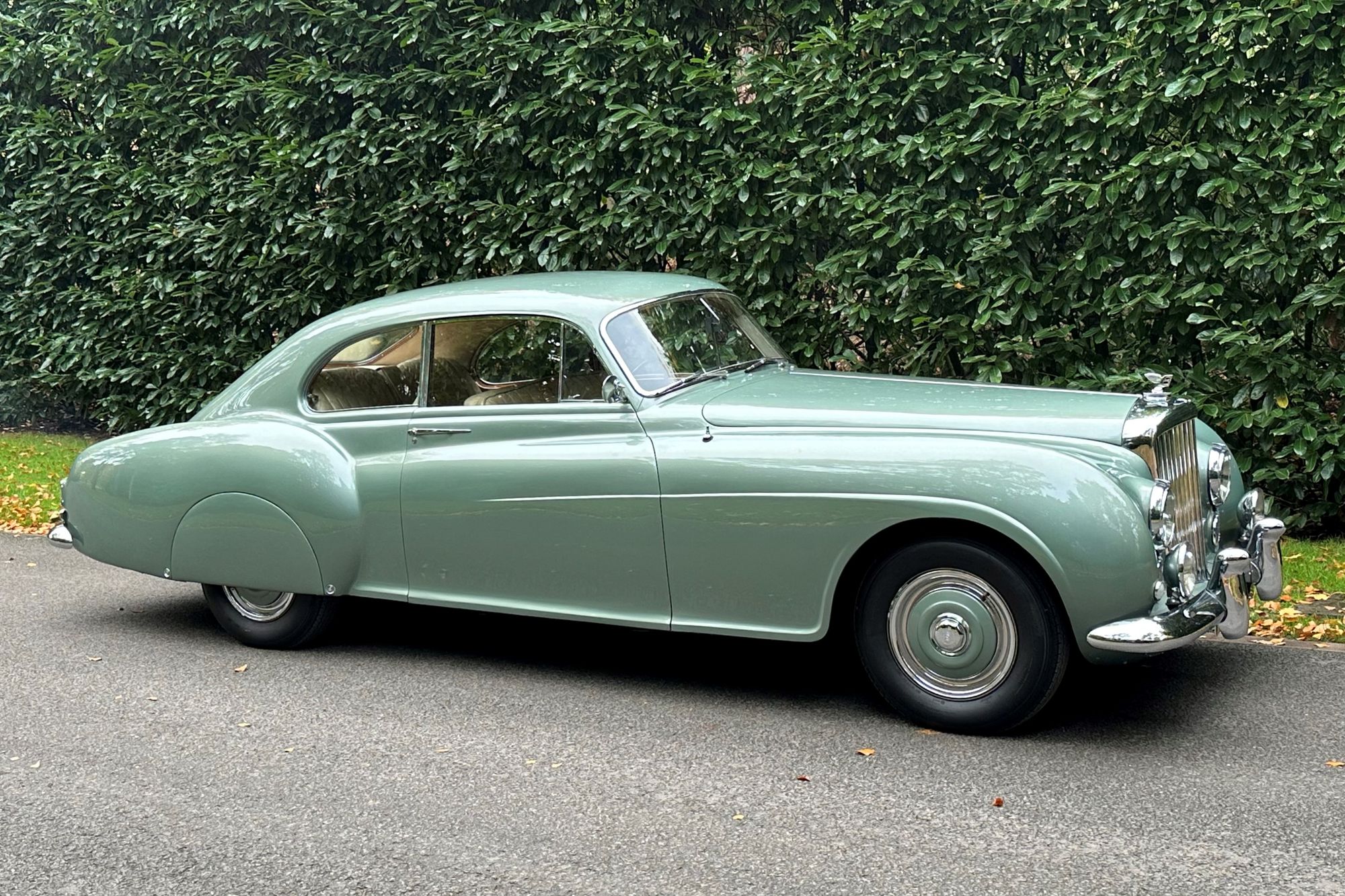
- A lightweight early production example
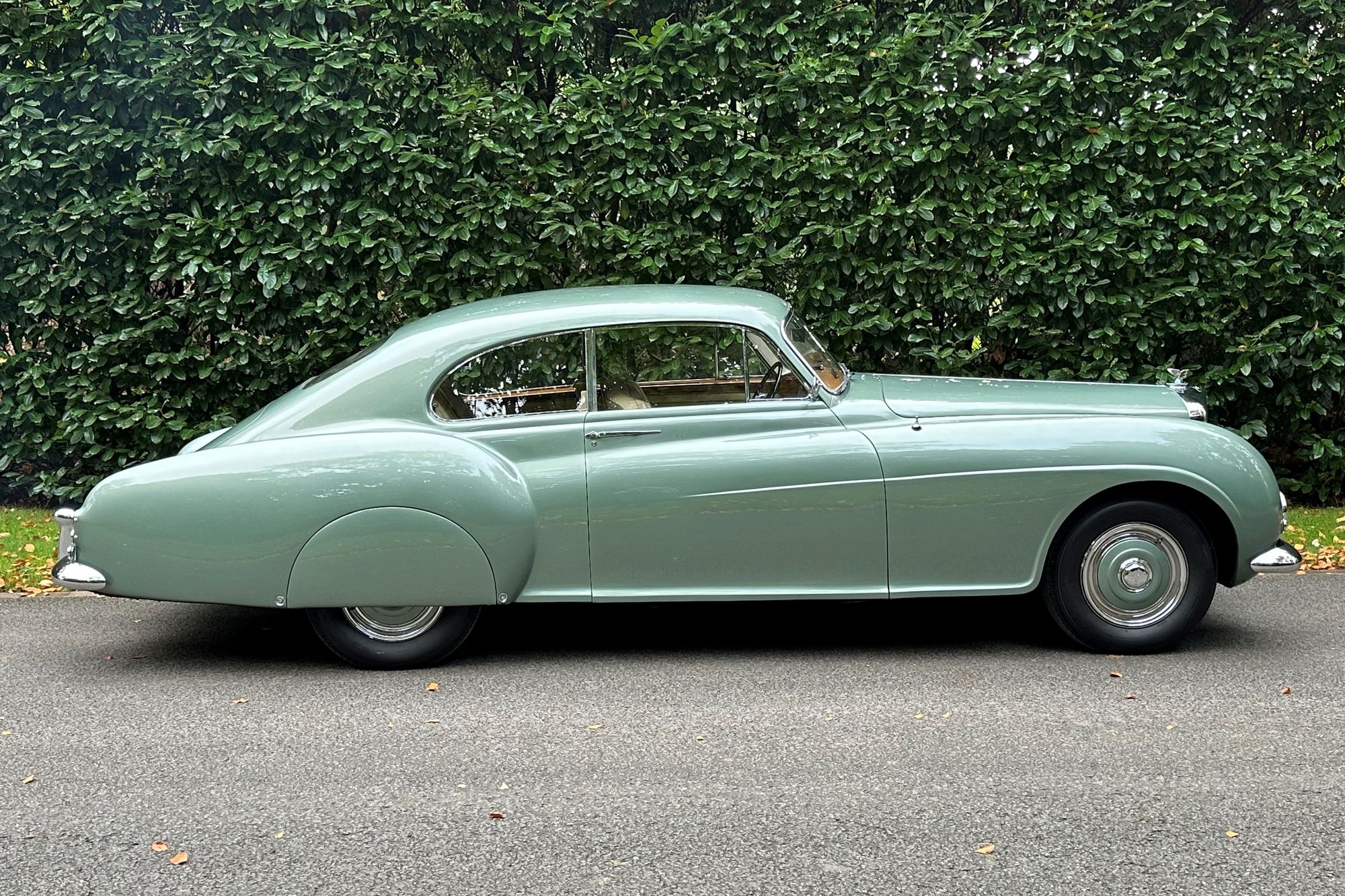
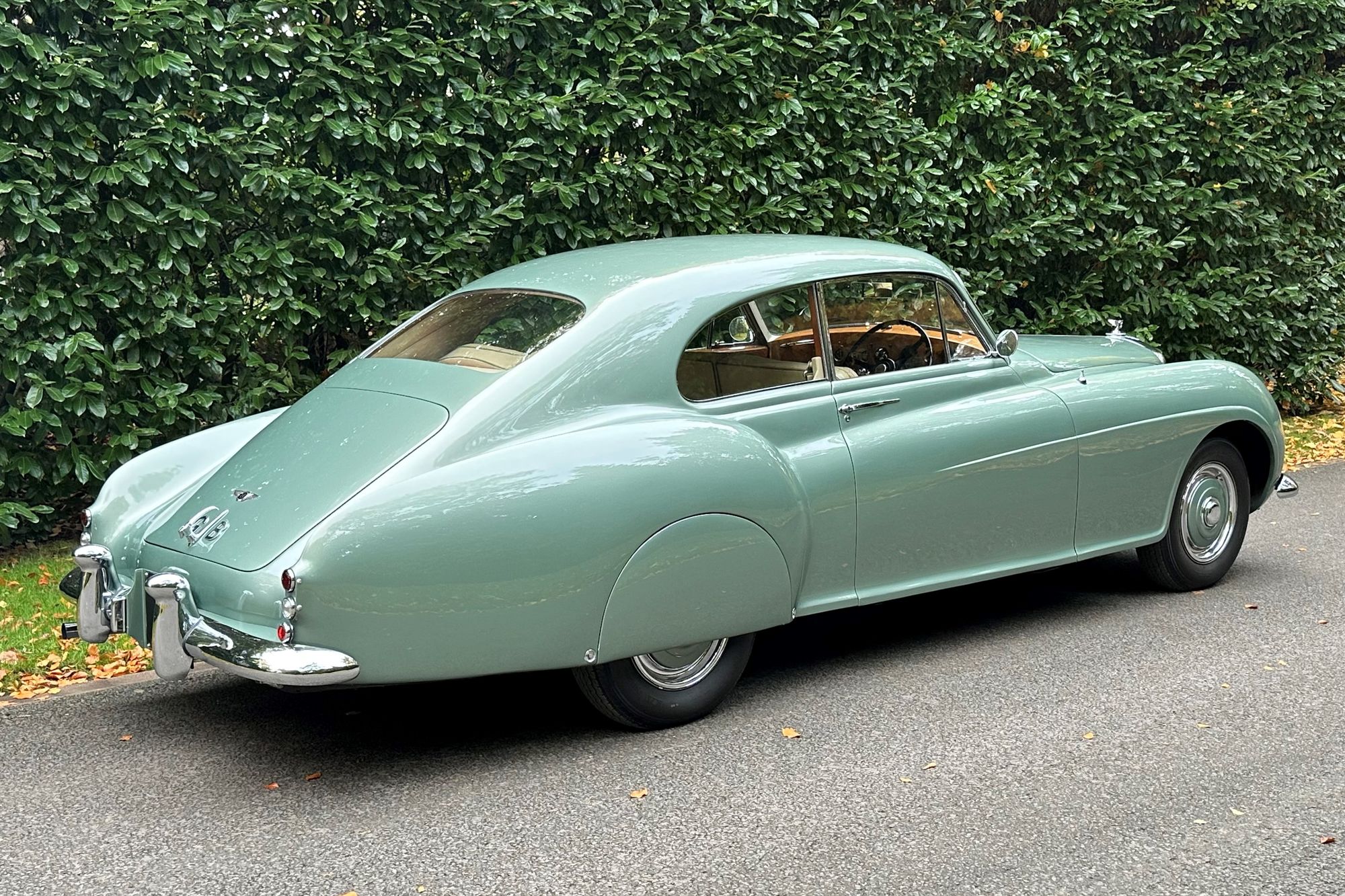
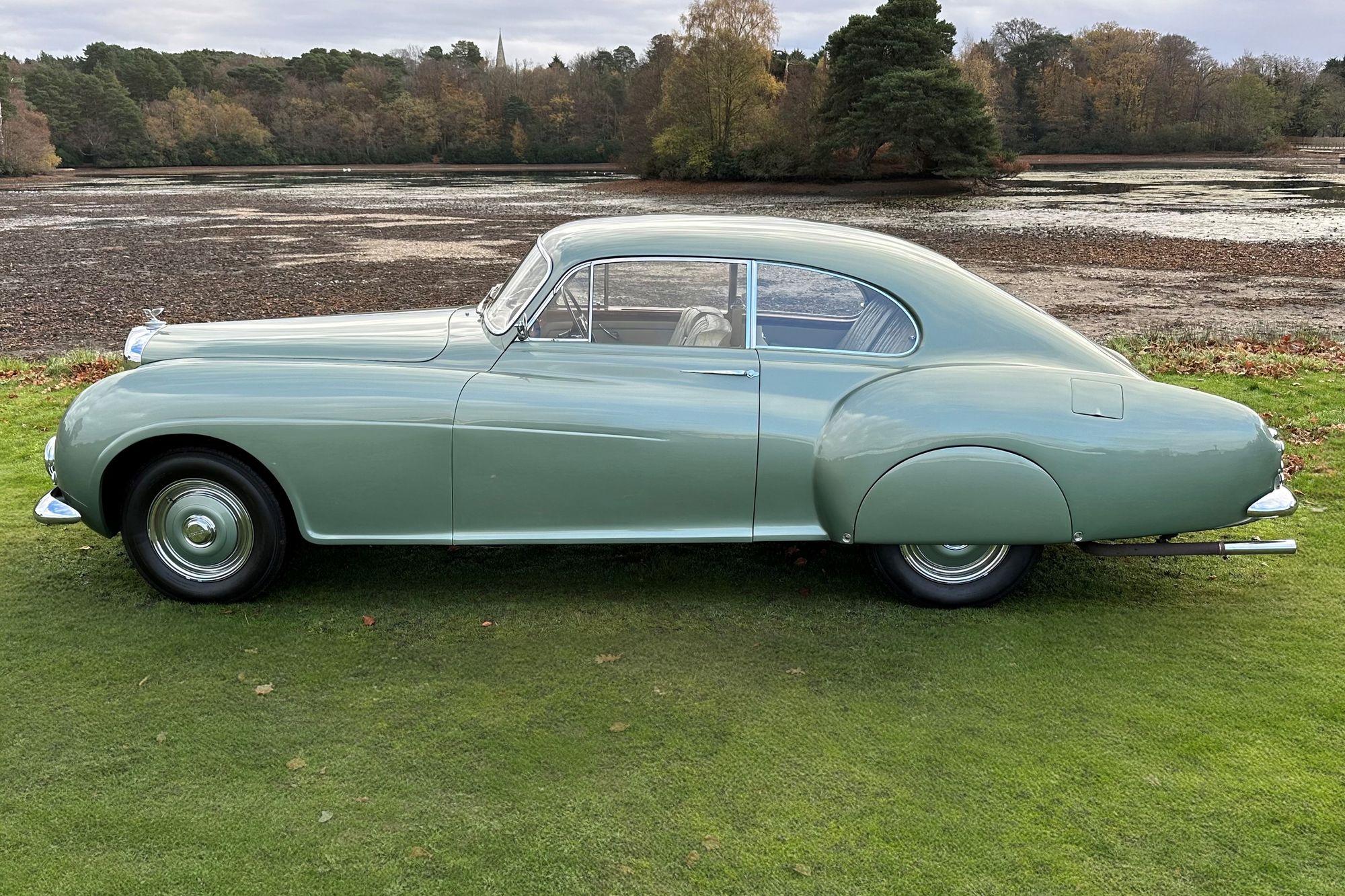
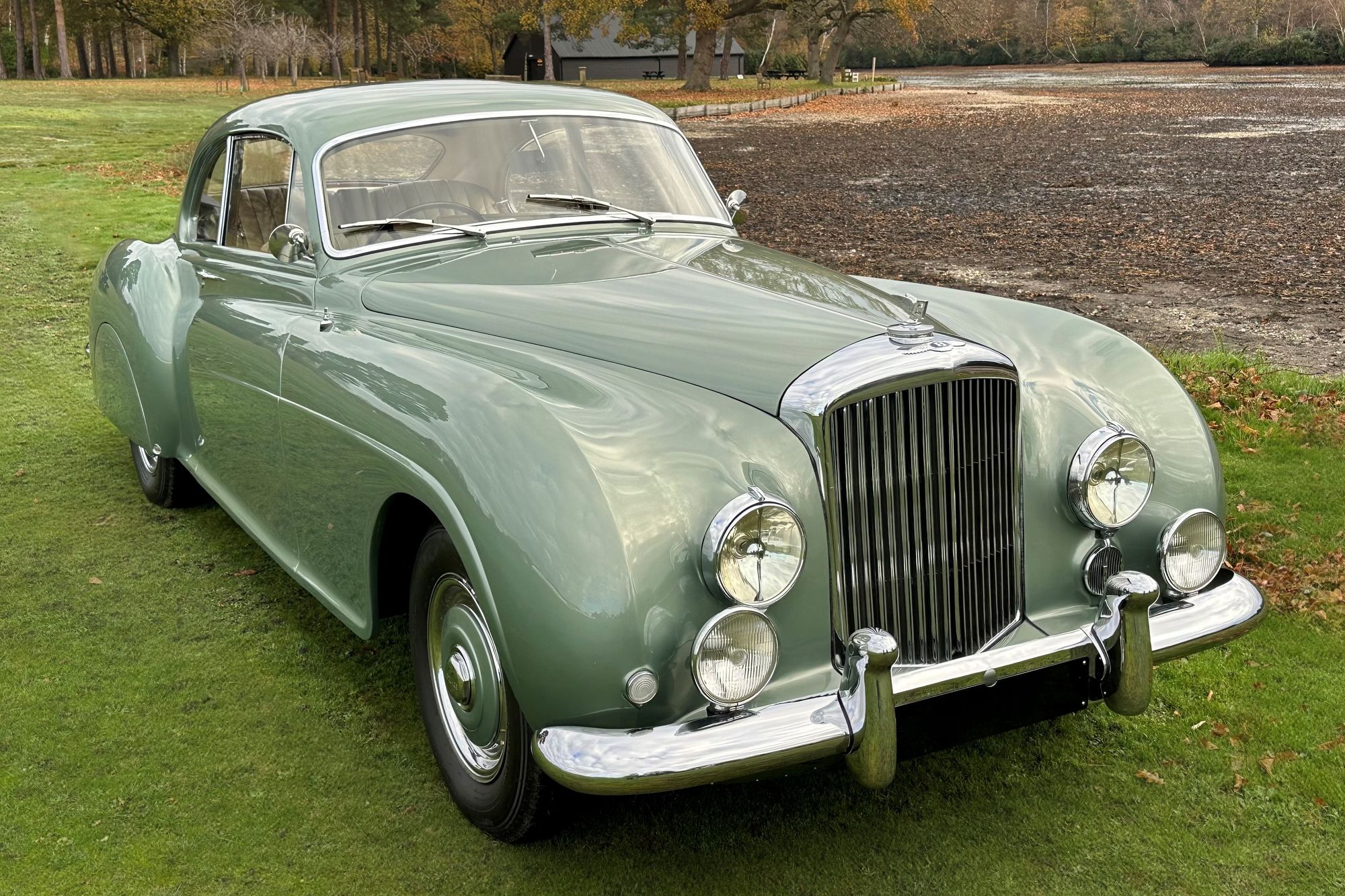
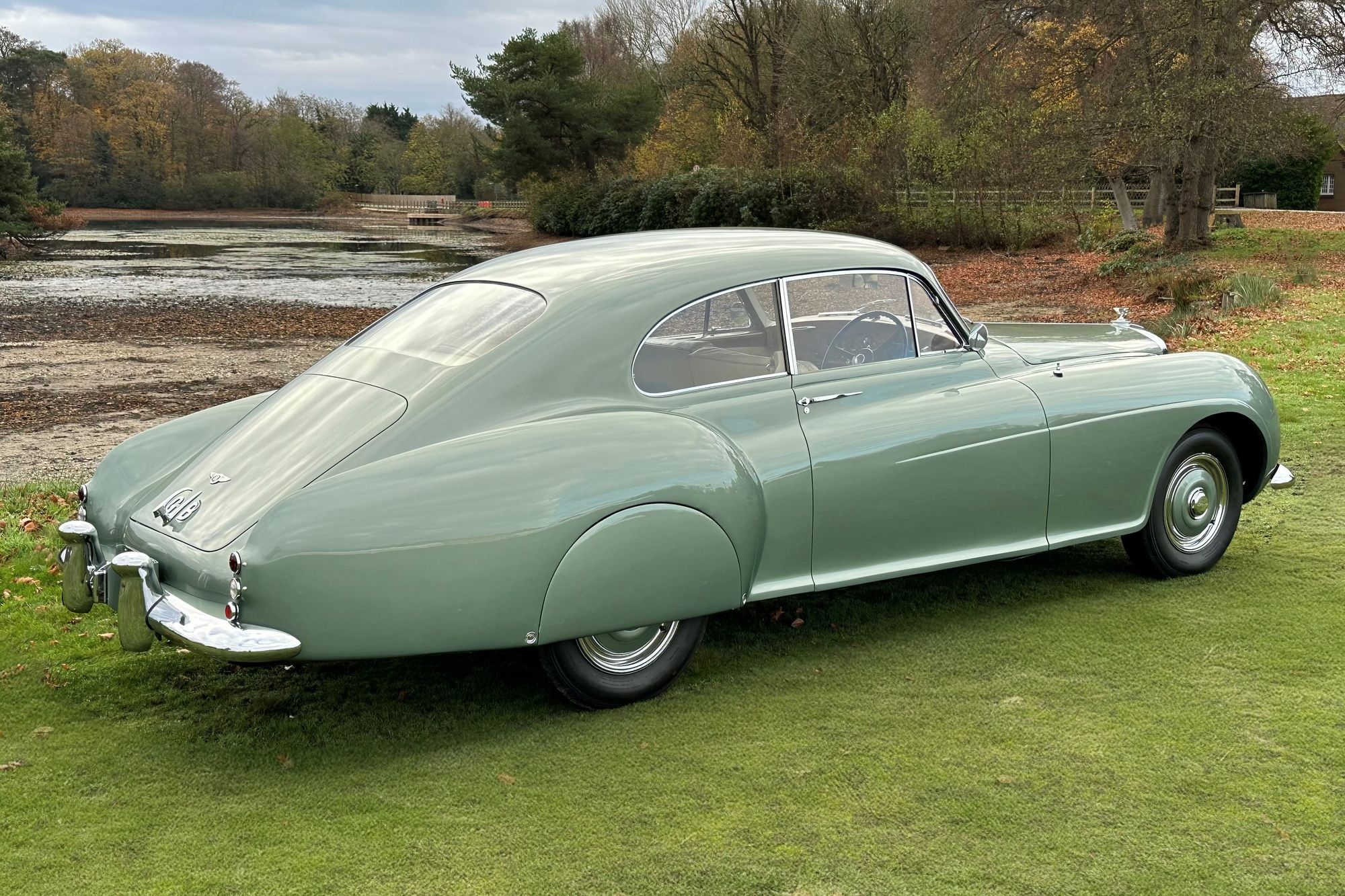
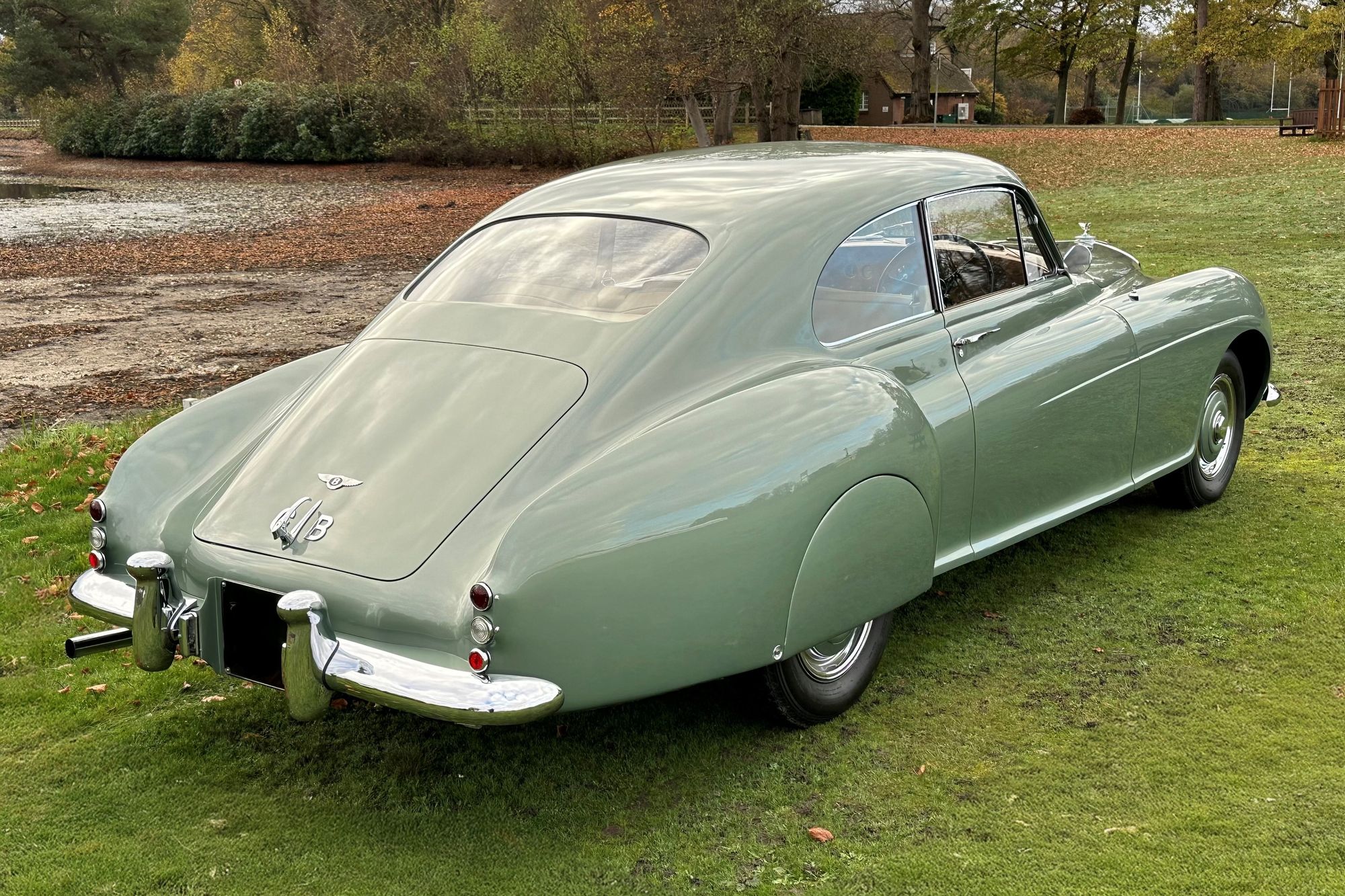
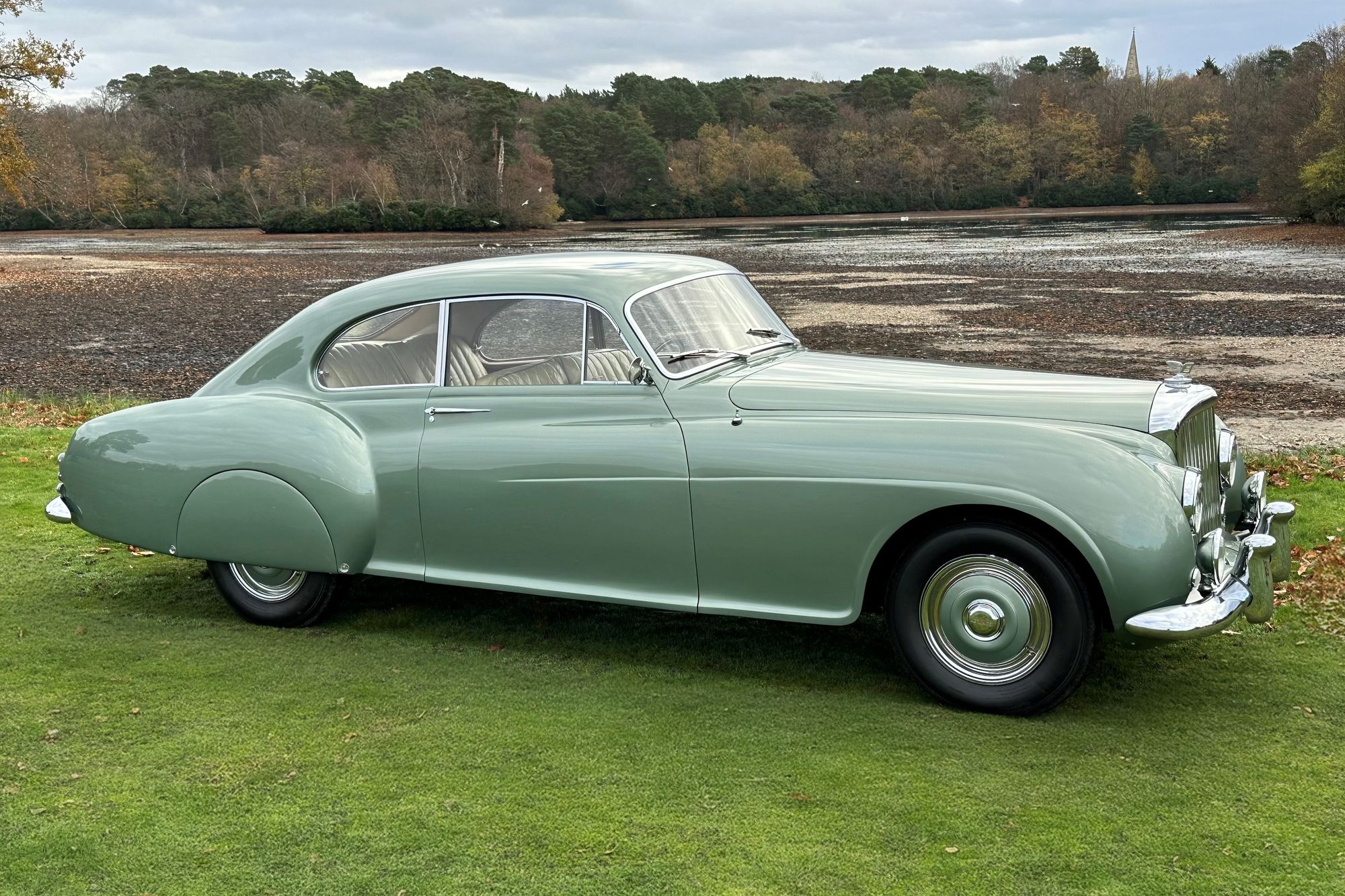
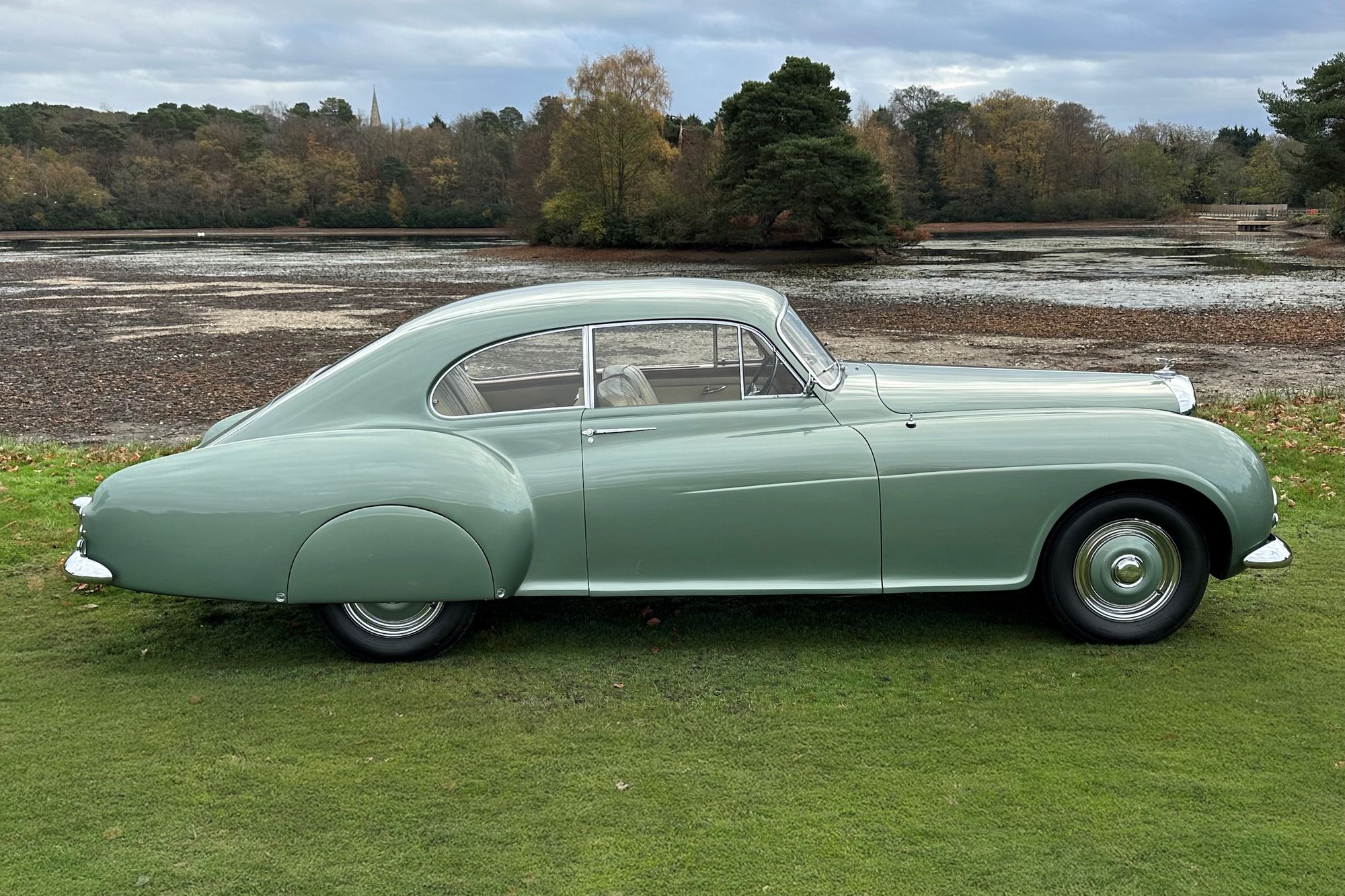
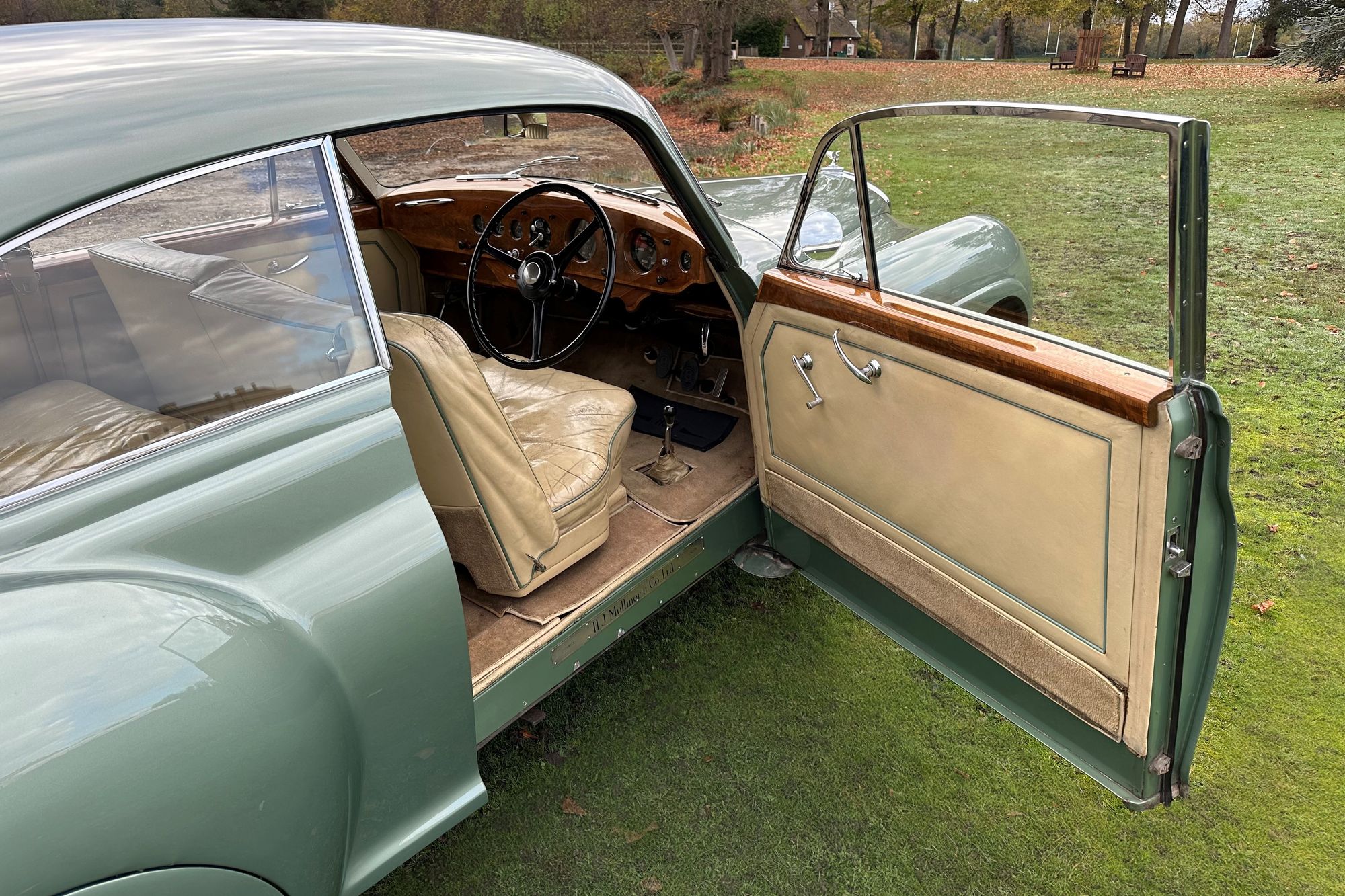
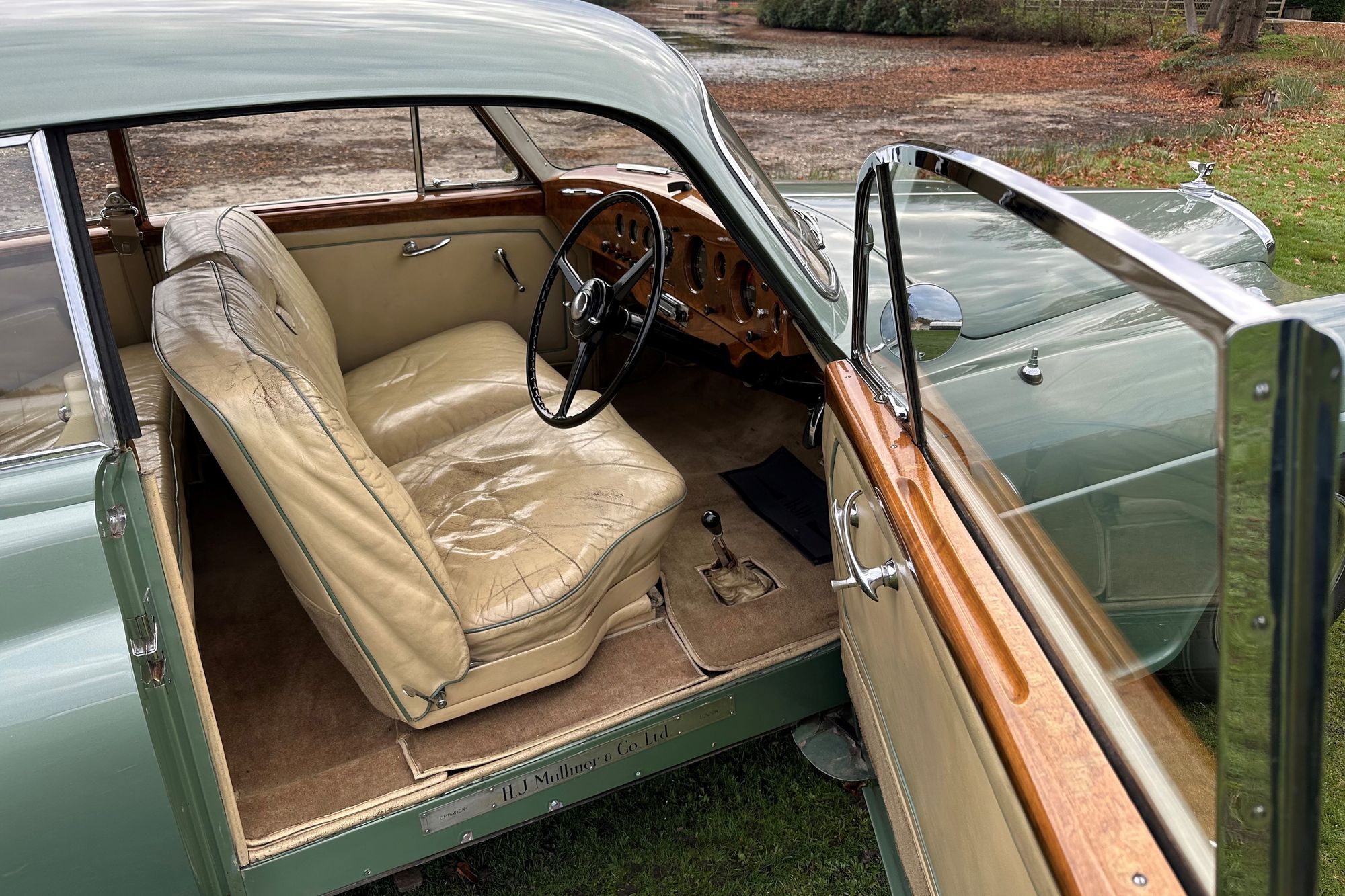
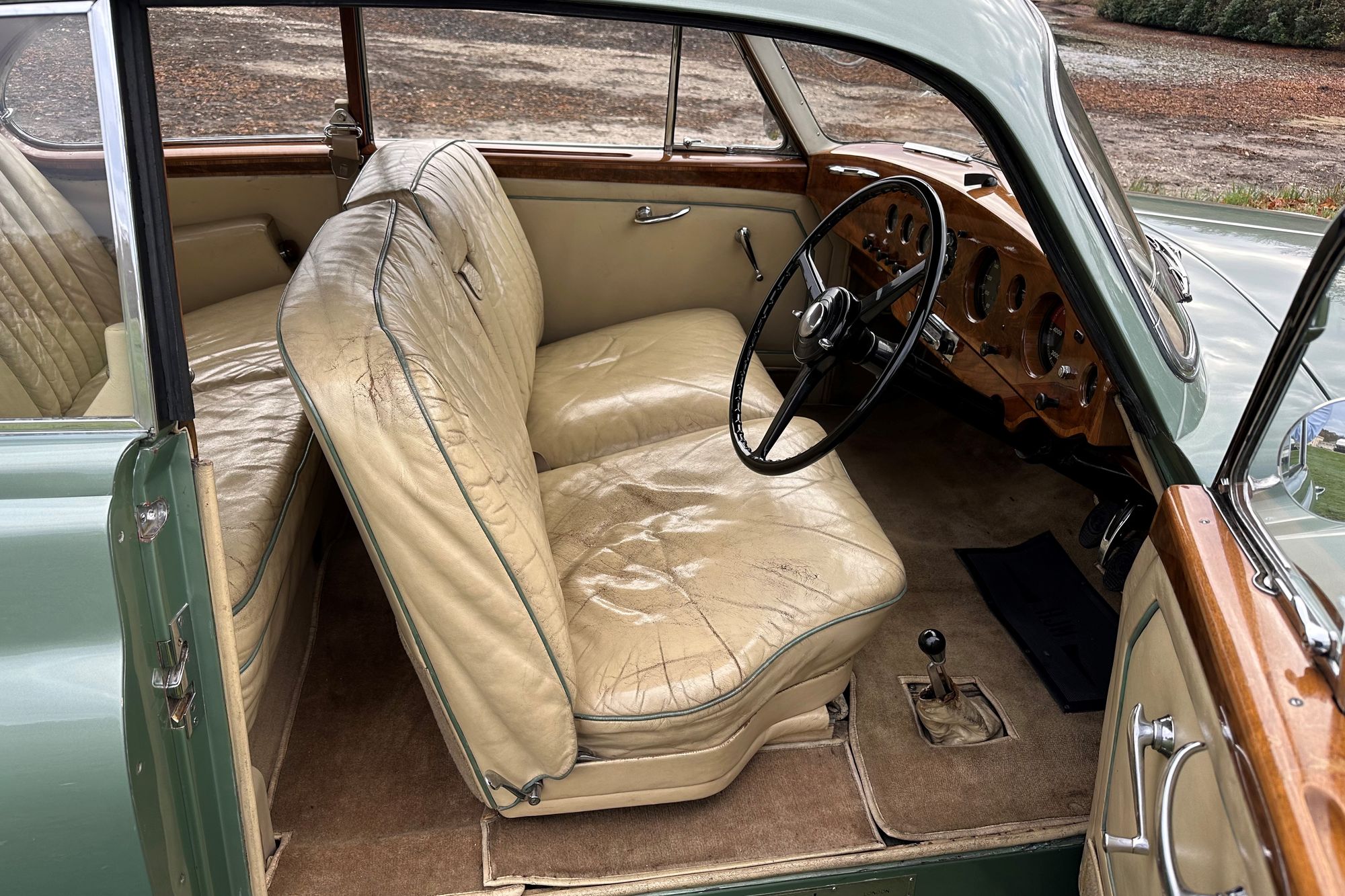
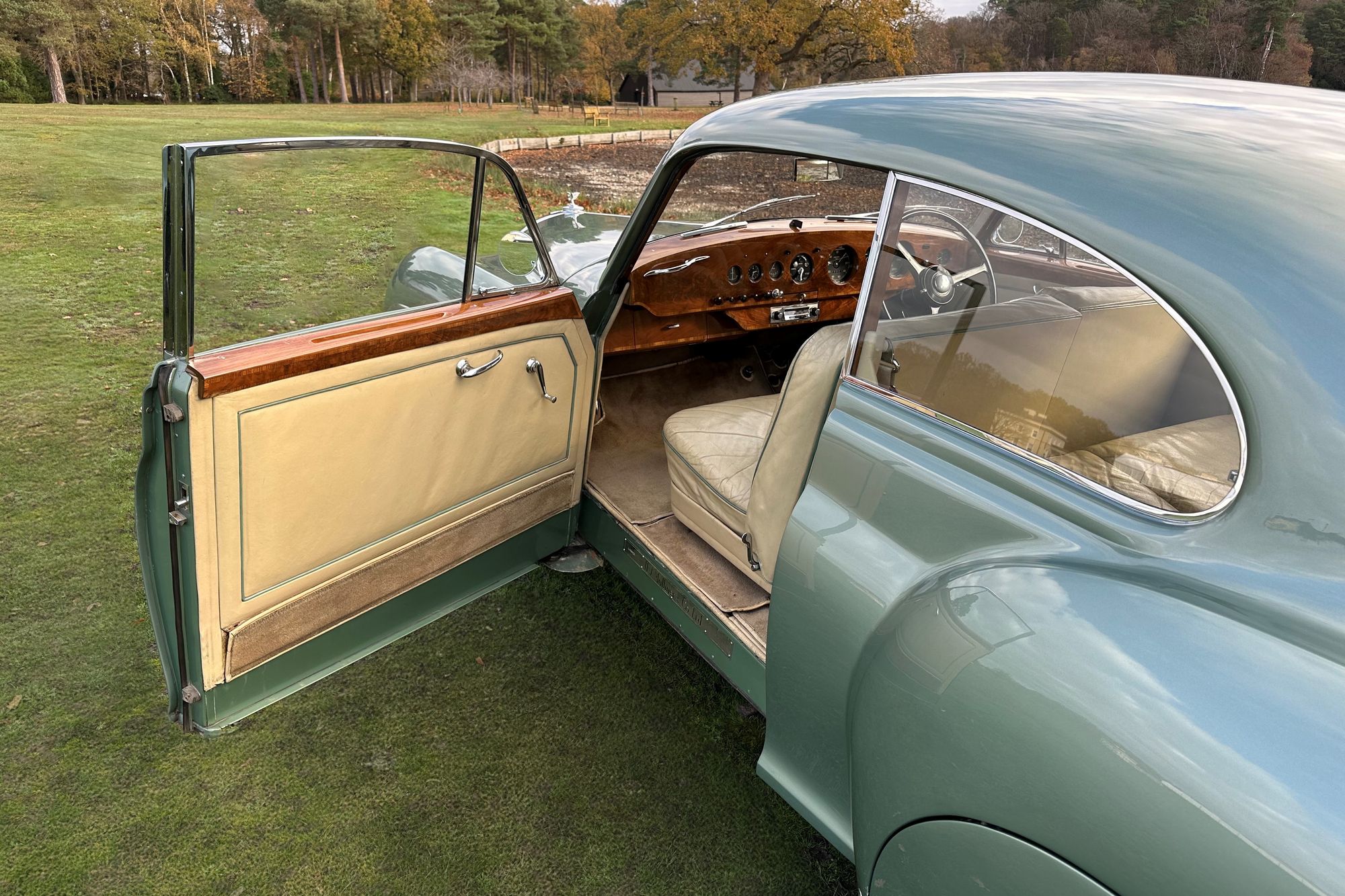
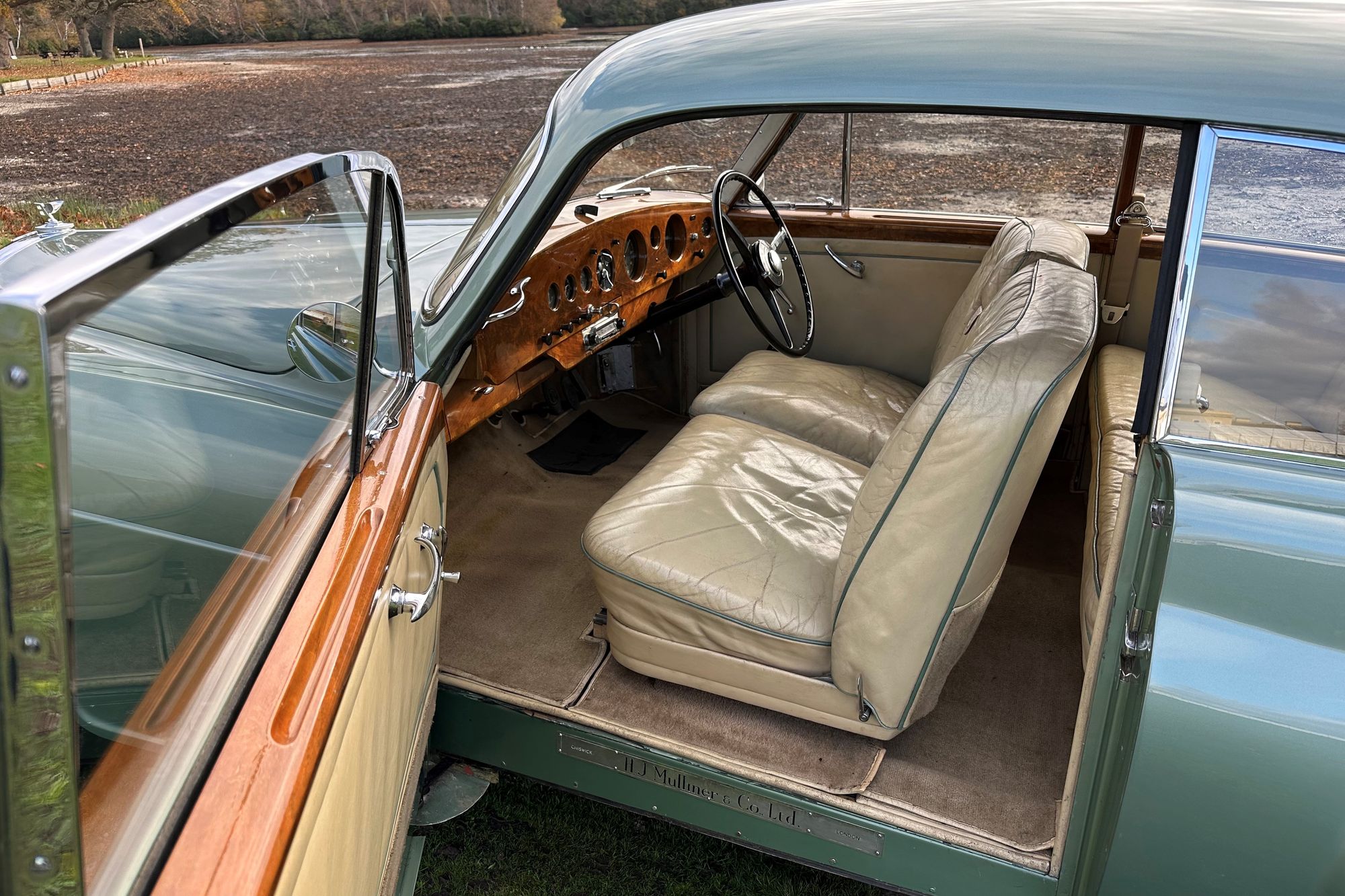
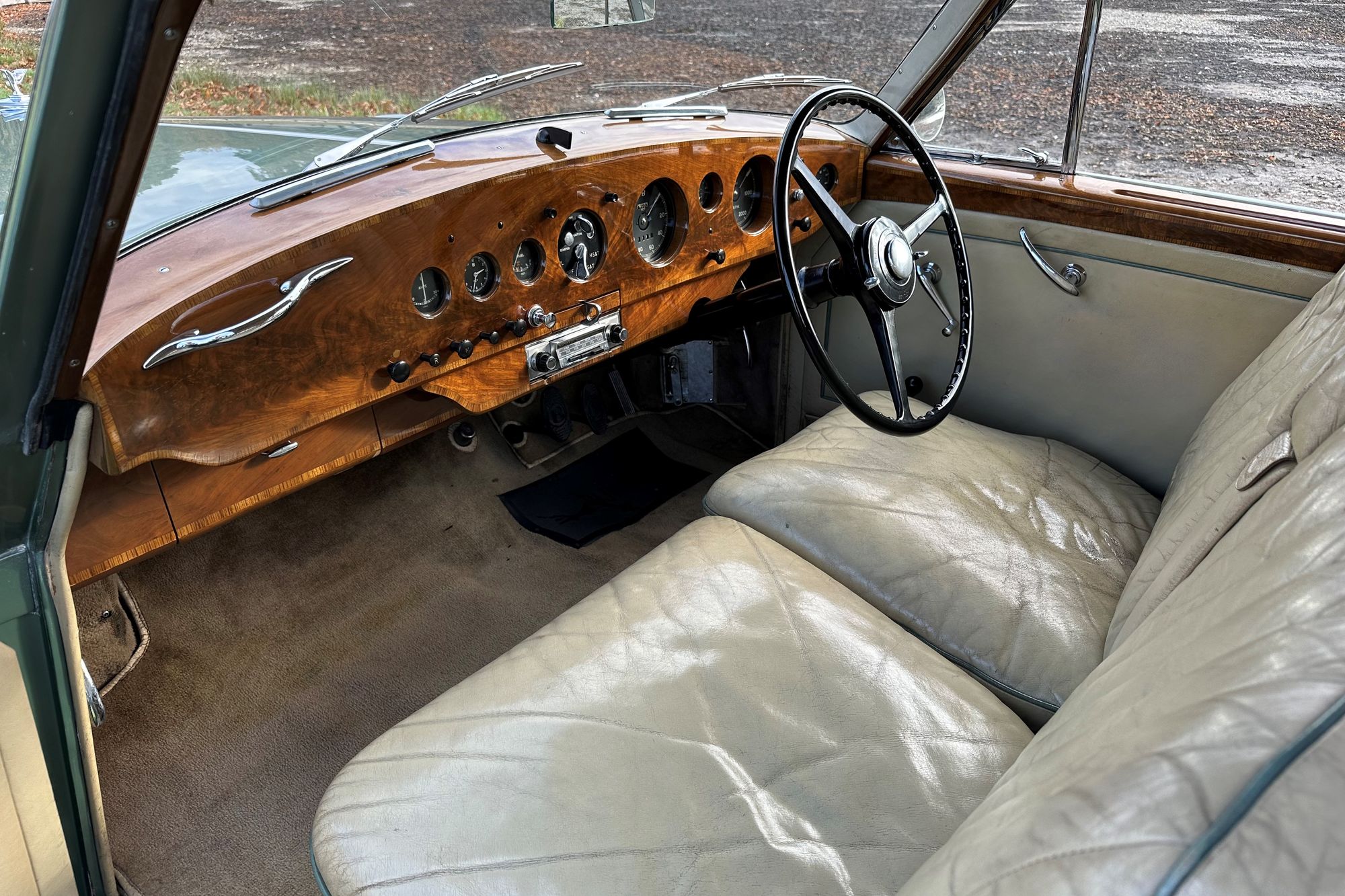
- Still in its original livery of pacific green with a light beige leather interior
- Fitted with manual transmission and rear wheel spats
- Delivered new to Ireland in August 1953
- Extensive history and ownership known from new
- Reviewed and prepared by our workshop team
- Complete with original handbook
Chassis No BC16B was originally completed and delivered in August of 1953 to its first owner Mr Cyril Lord of Northern Ireland. It was supplied through Agnew & Graham Ltd of Belfast, finished in pacific green with a light beige leather interior (VM 3099) It was originally specified and fitted with lightweight seats, which were changed during Mr Lords ownership to a James Young heavy front seat. The rear seats however remain the original lightweight type. It was retained by Mr Lord until October of 1975 when it was sold to the second co-owners. Following an amicable parting of the ways in 1992 the car has since remained with one of its purchasers from 1975, making it a remarkable fifty years of ownership. Chassis No BC16B was restored in the early 1990’s with works including a full bare metal re-paint and chrome restoration which was carried out by David Royle of & Co Ltd of Darlington in County Durham. Their work was clearly of a very high standard as the coachwork still looks in excellent condition over thirty years later. Mechanically speaking the car has been maintained and improved by Ian F Cuningham of Edinburgh, Alistair Scott Services of Perth and Mulsanne Motors of Midlothian. Chassis No BC16B was also maintained by Bentley specialists Padgett Engineering with works including a complete steering and suspension overhaul. The car comes complete with extensive records, including copy chassis cards and many photos and invoices documenting works carried out over the decades. There are also photos and correspondence dating back to 2002 when the car took part in the gathering of many Bentley R Type Continentals at Silverstone to mark the 70th anniversary of the model. It is complete with its original logbook from 1953, copies of the H.J.Mulliner R Type Continental line drawings, a copy (stamped BC16B) of Bentley Continental Sports Saloon by Christian Hueber and David Sulzberger and various original documentation including the cars handbook. The car has been reviewed and prepared by our workshop team to ensure continued enjoyable motoring and first-class performance. This striking early production lightweight example looks magnificent in its original colour and drives equally beautifully too. A recent two-hundred-mile road test to properly evaluate the cars performance was as absolute pleasure. If you are looking for a nicely patinated lightweight example of this iconic model, look no further than Chassis No BC16B.
The decision was taken in 1950 to develop a Bentley motor car capable of producing high maximum speeds ideal for Continental touring on the long straight roads of Europe. Although owned by Rolls Royce, there was a desire by some internal personnel to differentiate the more sporting Bentley brand from the conservative nature of its illustrious owner and to try and appeal to a younger affluent audience overseas who preferred driving their cars rather than sitting in the back. The higher speeds were to be coupled with correspondingly high rates of acceleration and excellent handling. To achieve these lofty ambitions a tremendous amount of research and testing were conducted using quarter scale models in the Hucknall wind tunnel. Extensive testing and alterations allowed Ivan Evernden and John Blatchley of the Motor Car Division to design a body not only of exceptional style, but also of an aerodynamic shape that reduced drag and achieved excellent levels of stability even at speeds of more than 100mph, using the fabled Embiricos Bentley as an inspiration.
By late summer of 1951 the drawings and scale models became reality with the creation of the prototype R Type Continental which in time became known as OLGA. Every weight saving opportunity was taken in the production of OLGA, with most of the car being crafted from lightweight aluminium. This included the body, window frames, bumpers and even the seat frames. In September of 1951 testing began in France under the supervision of Walter Sleator who was the managing director of Garage Franco-Britannique, the Rolls-Royce agent in Paris. Sleator was well qualified for such a task being an ex-racing driver.
The result of this extensive work led to the prototype car meeting its objective of reaching 120mph and being capable of cruising at 100mph with four passengers aboard. It was a happy bonus that the body shape, which was created in pursuit of strong aerodynamic performance, was also widely regarded as one of the most beautiful bodies to be fitted to a motor car as well.
Following extensive testing and refinements production began in early 1952. The R Type Continental was at the time the fastest production four-seater car in the world, capable of speeds of more than 100mph. The Continental chassis shared many similarities with the Mk VI and R Type chassis, sharing suspension, steering and brake components. However, the combination of the fitment of a high ratio back axle, the lightweight construction and the smaller sleeker body style resulted in performance that was far and beyond superior to any car Bentley had previously produced in the post war era.
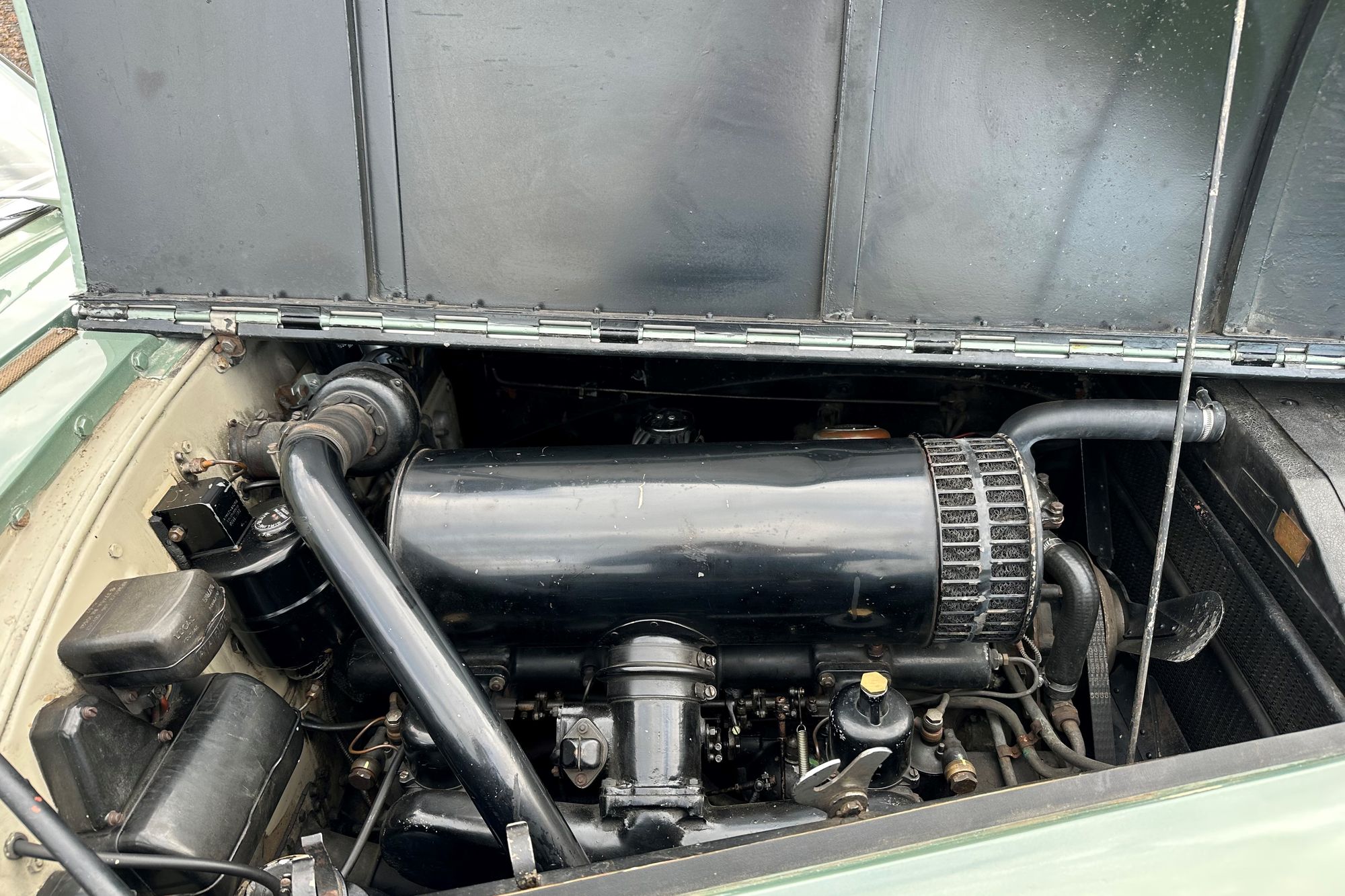
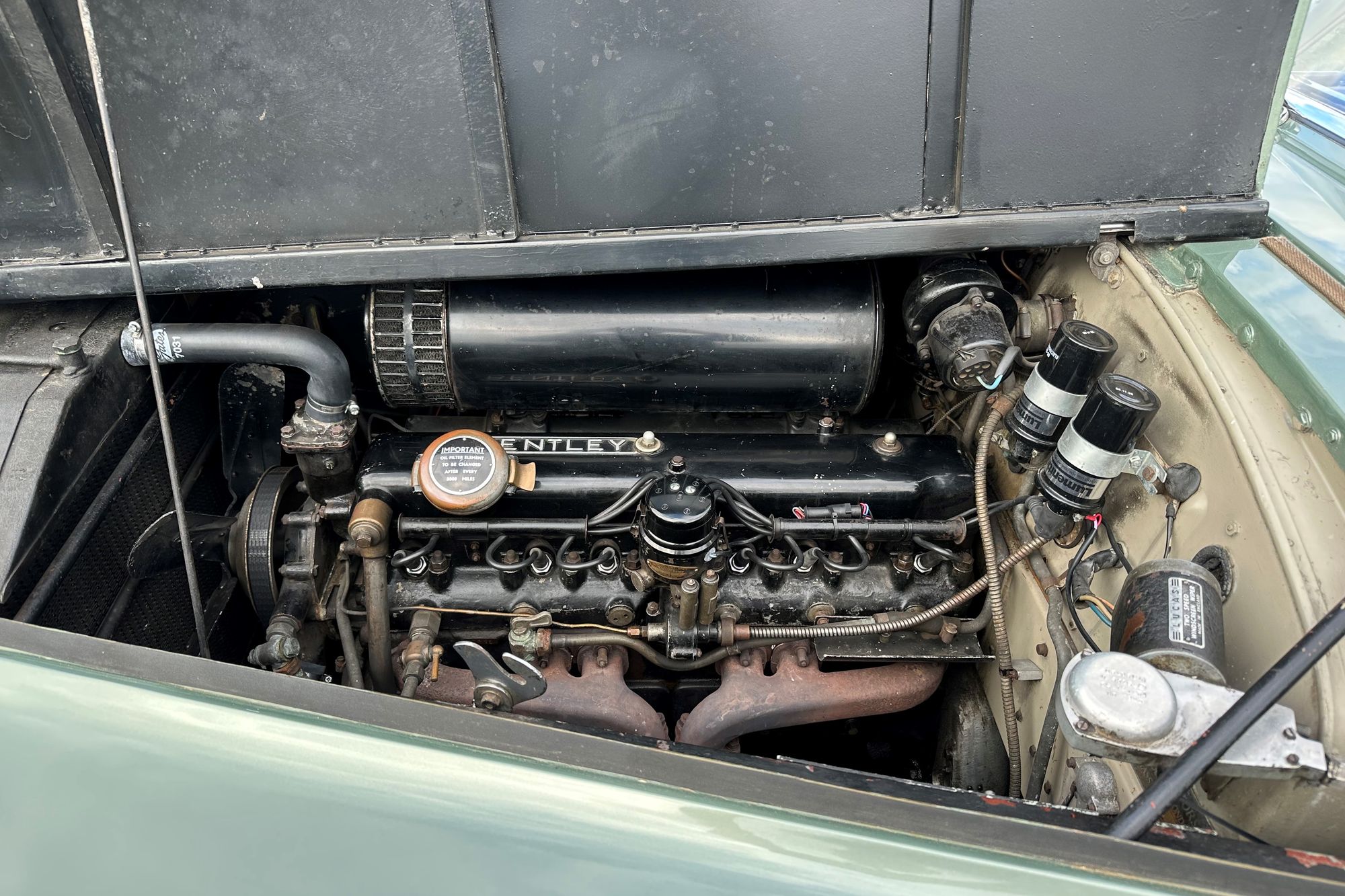
The chassis were assembled in Crewe with the vast majority of the two hundred and eight chassis built then transported to London by train where they were fitted with coachwork by H.J. Mulliner of Chiswick, with all but fifteen cars fitted with their fastback bodies. The A, B and C series cars were fitted with 4.5 litre engines that displaced 4,566cc and produced 158bhp. In 1954 this was upgraded to 4,887cc when the cylinders were bored out on the D and E series cars. It was also the most expensive car in the world at the time, with domestic cars weighing in at just over £7,000. This iconic car attracted a selection of high profile and very wealthy buyers, from Shahs, to celebrities, to captains of business and industry, it was a rousing success.





Frank Dale Comment
A beautiful early production lightweight example of this iconic Bentley model which looks absolutely stunning in its original colour configuration of pacific green with a light beige leather interior. It’s also a beautiful car to drive, with superb performance and a lovely overall character.