
Information
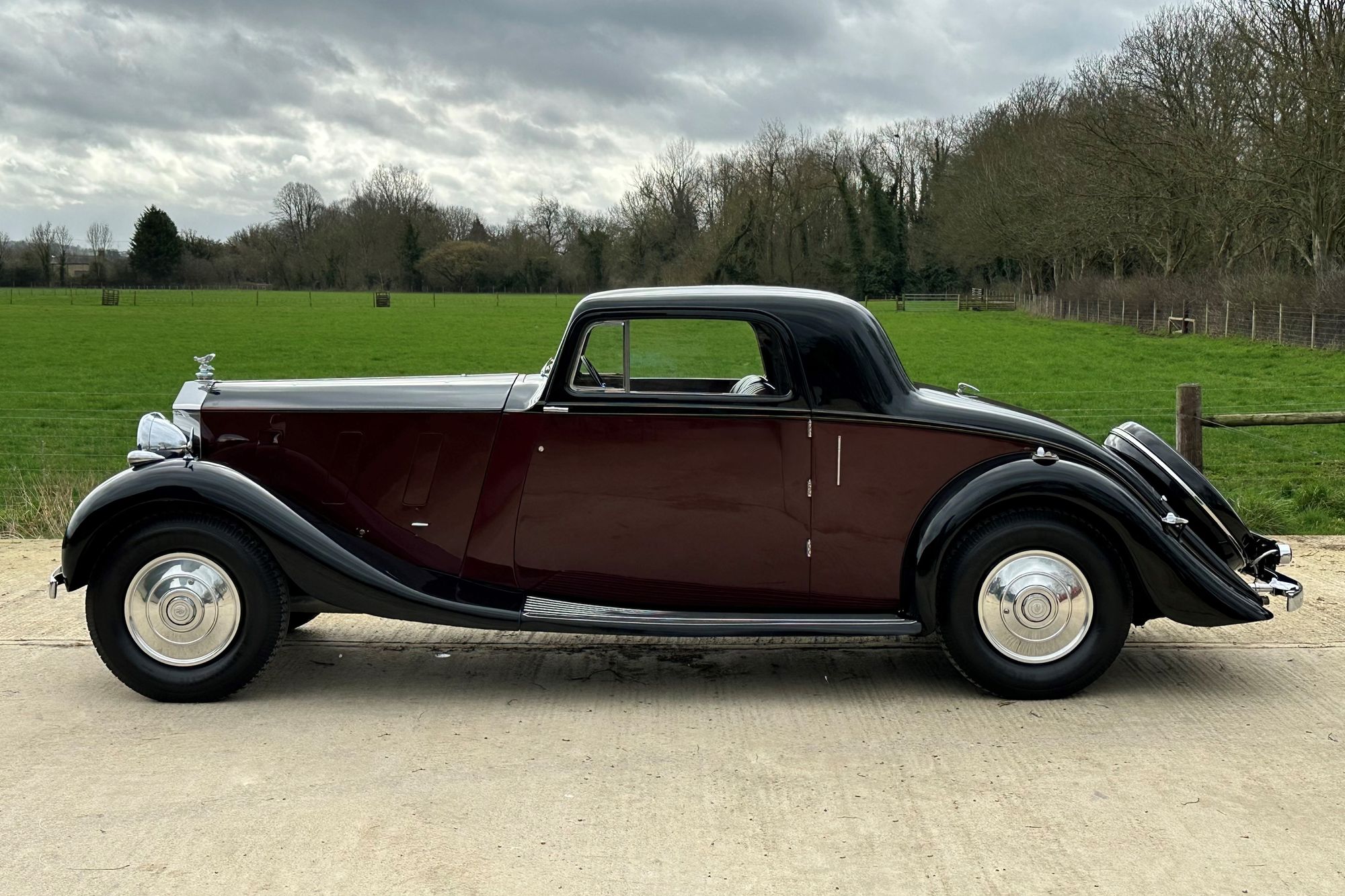
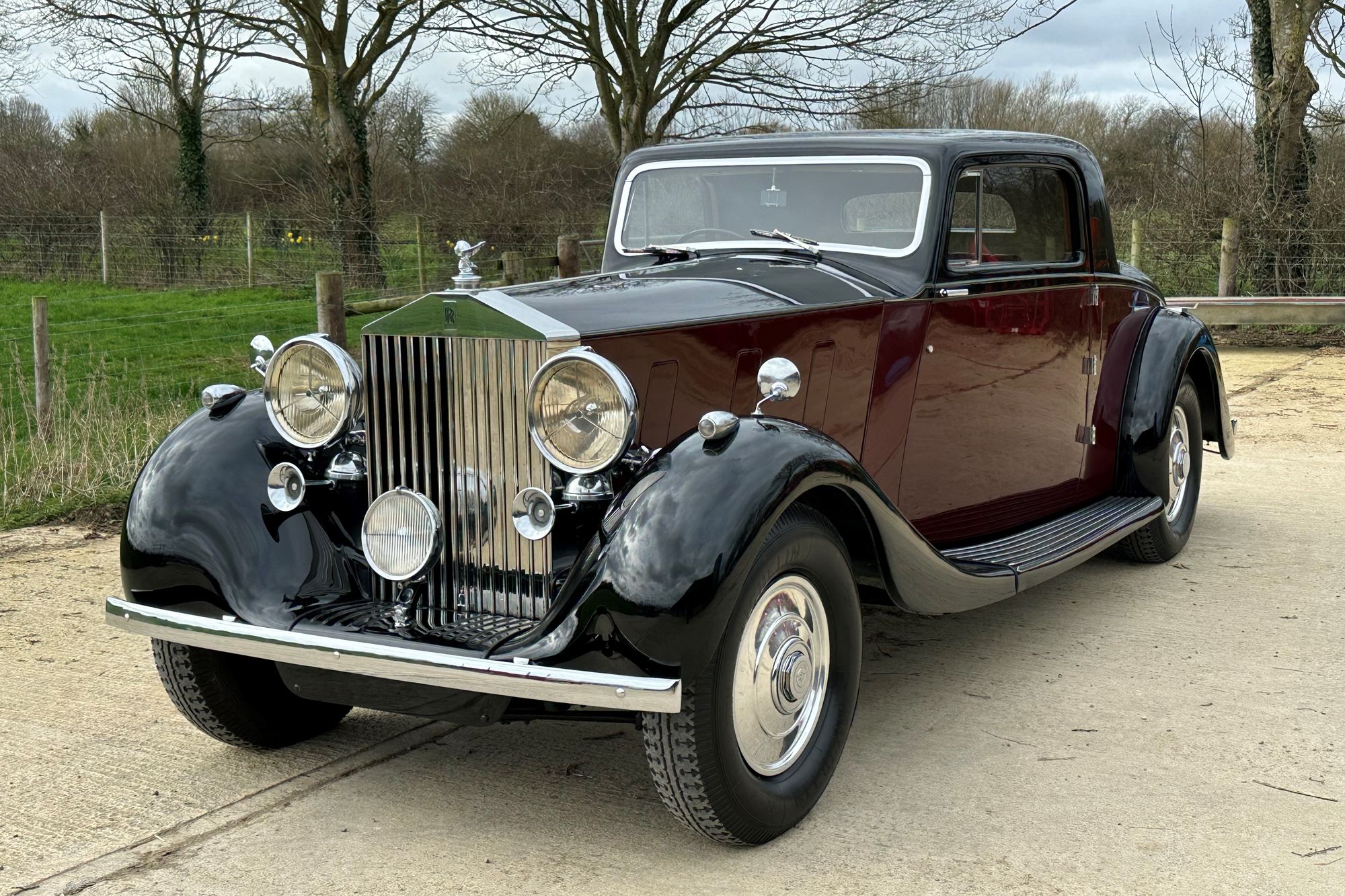
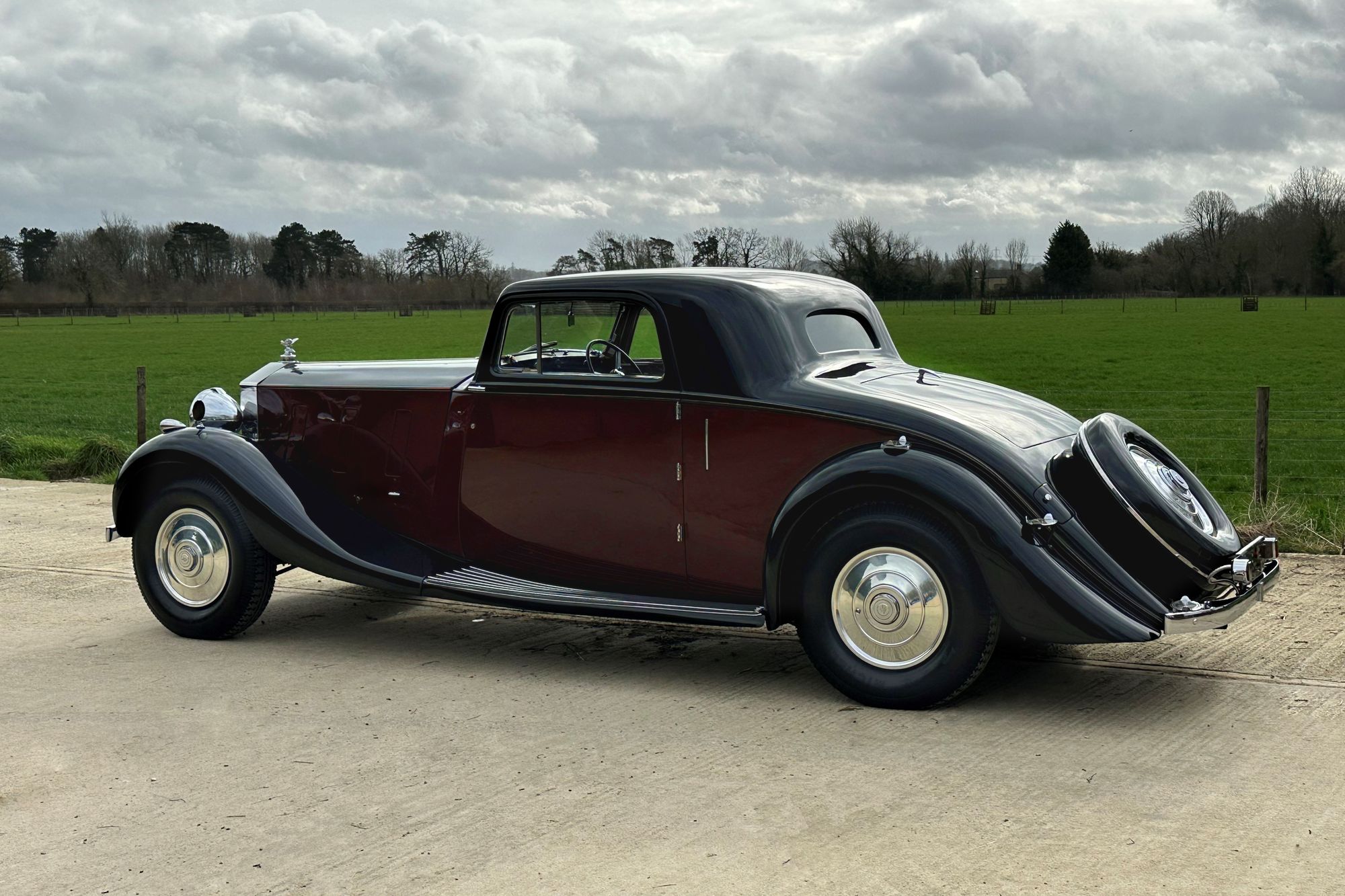
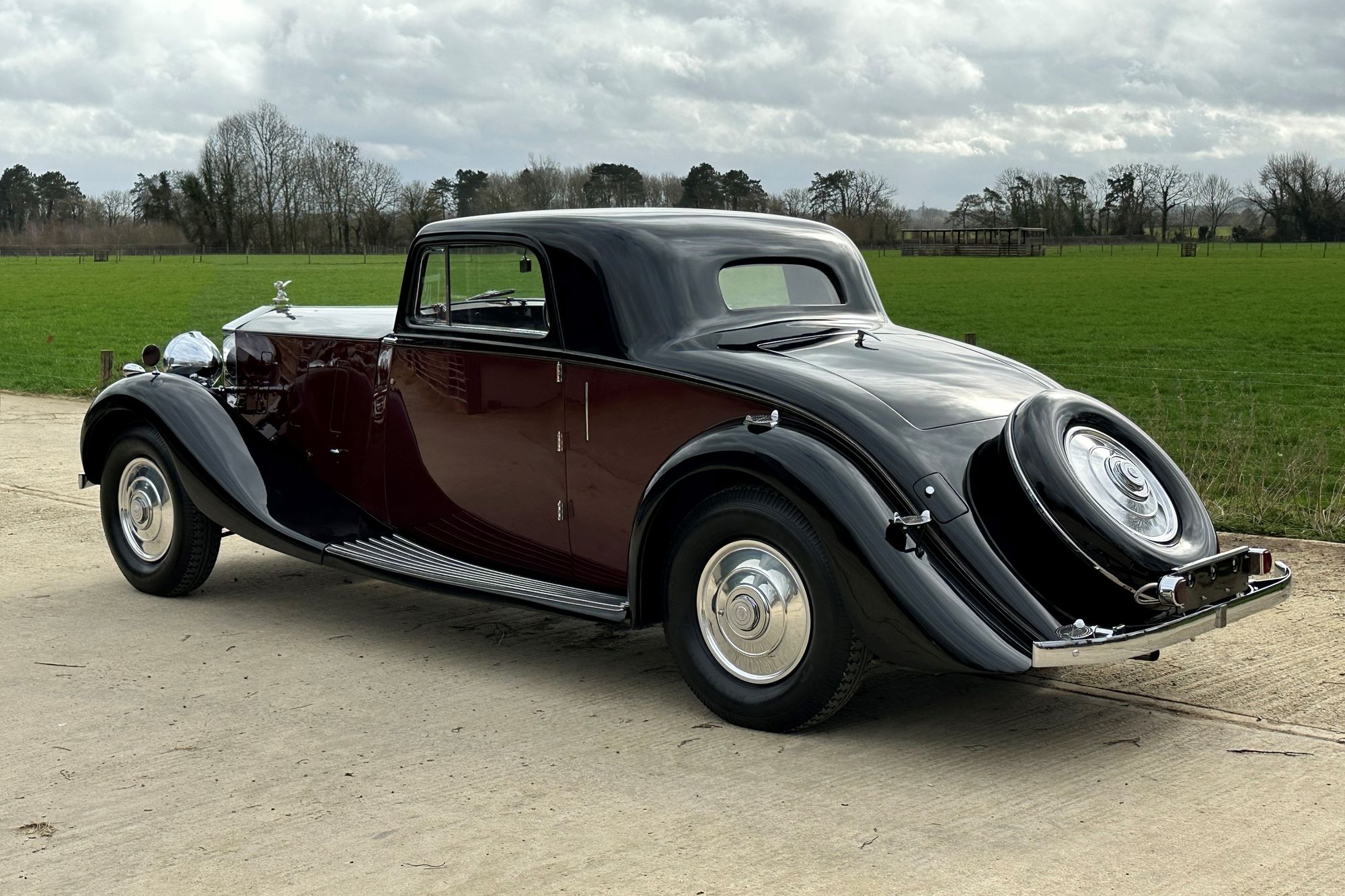
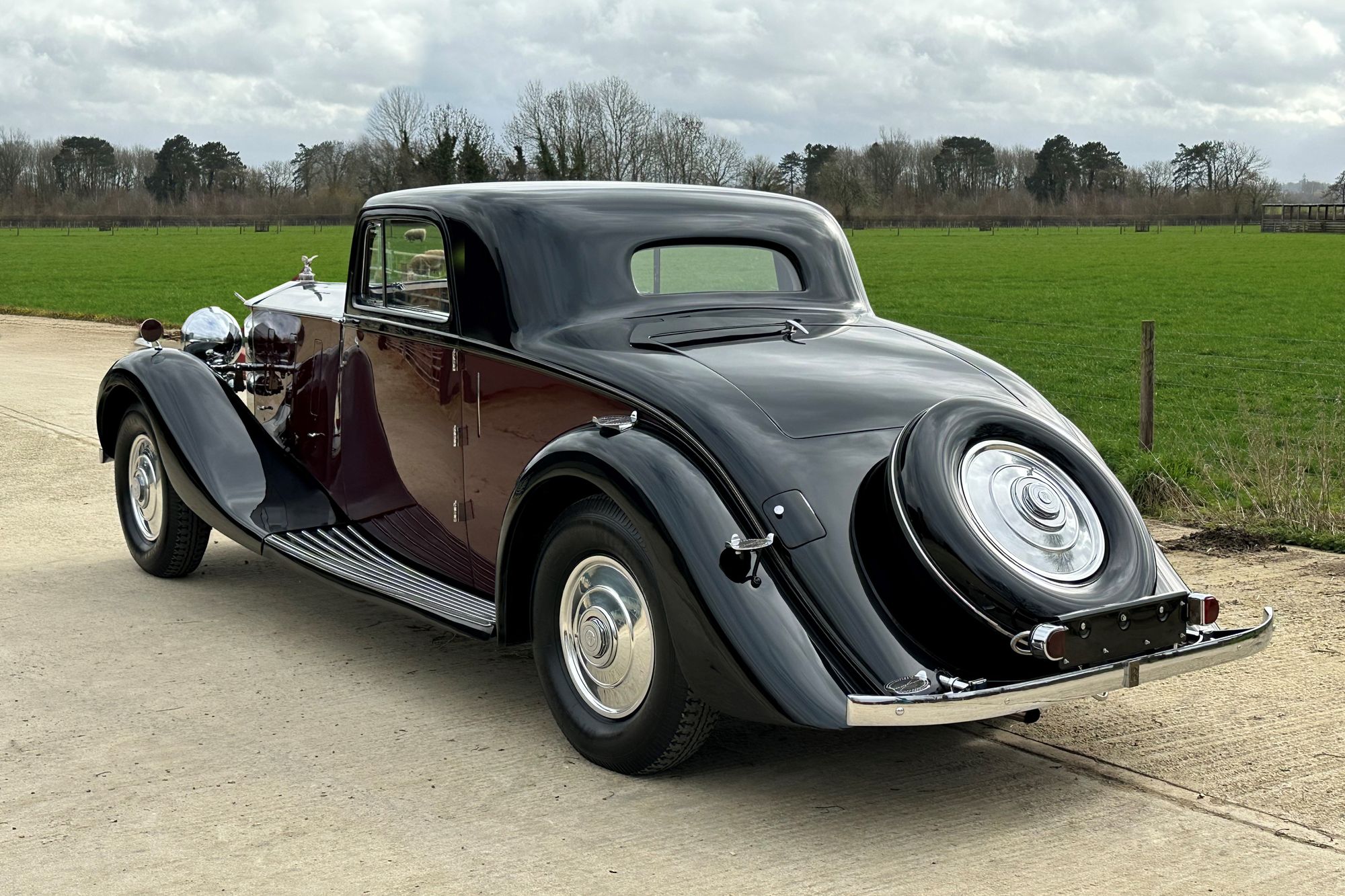
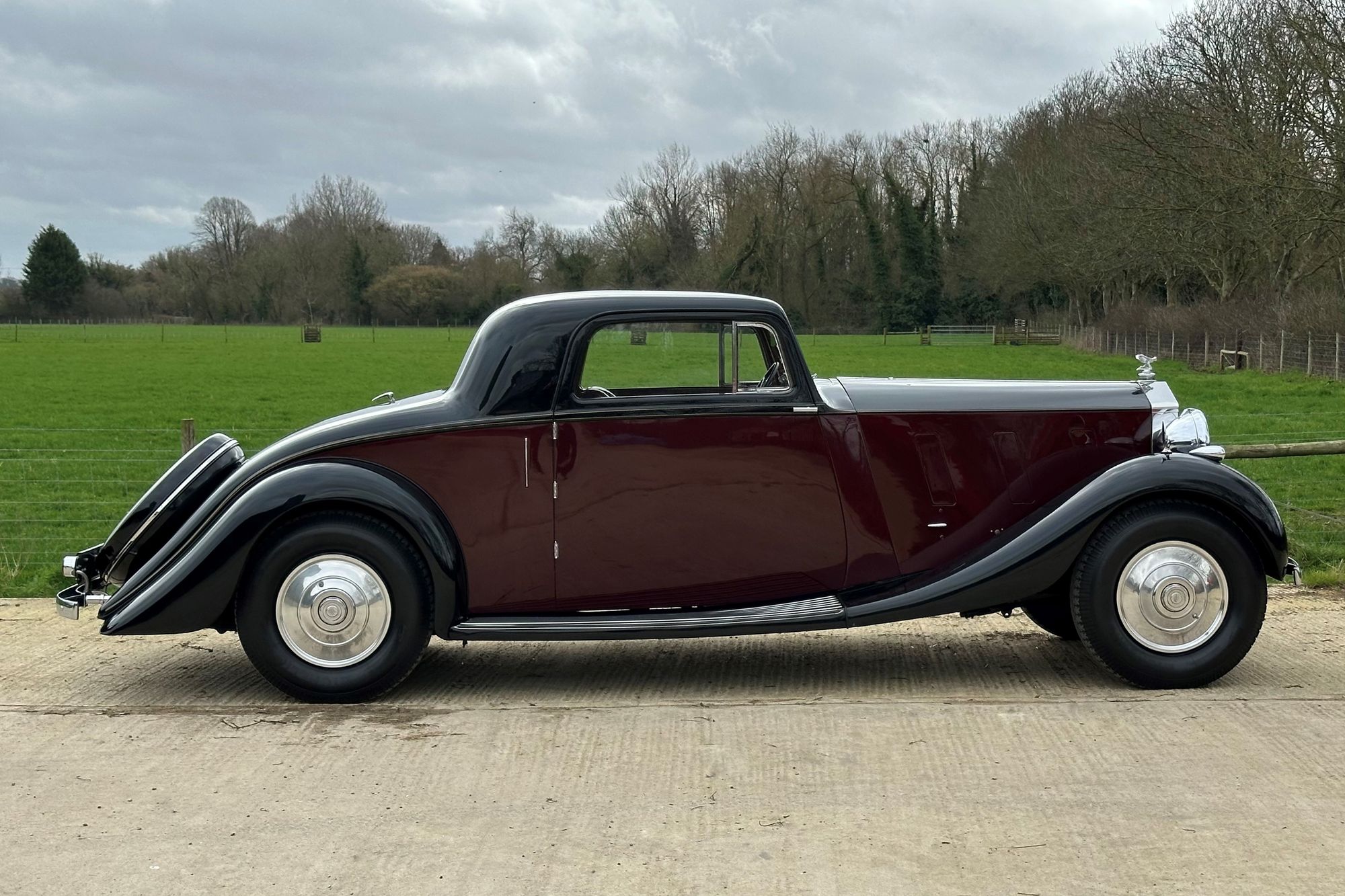
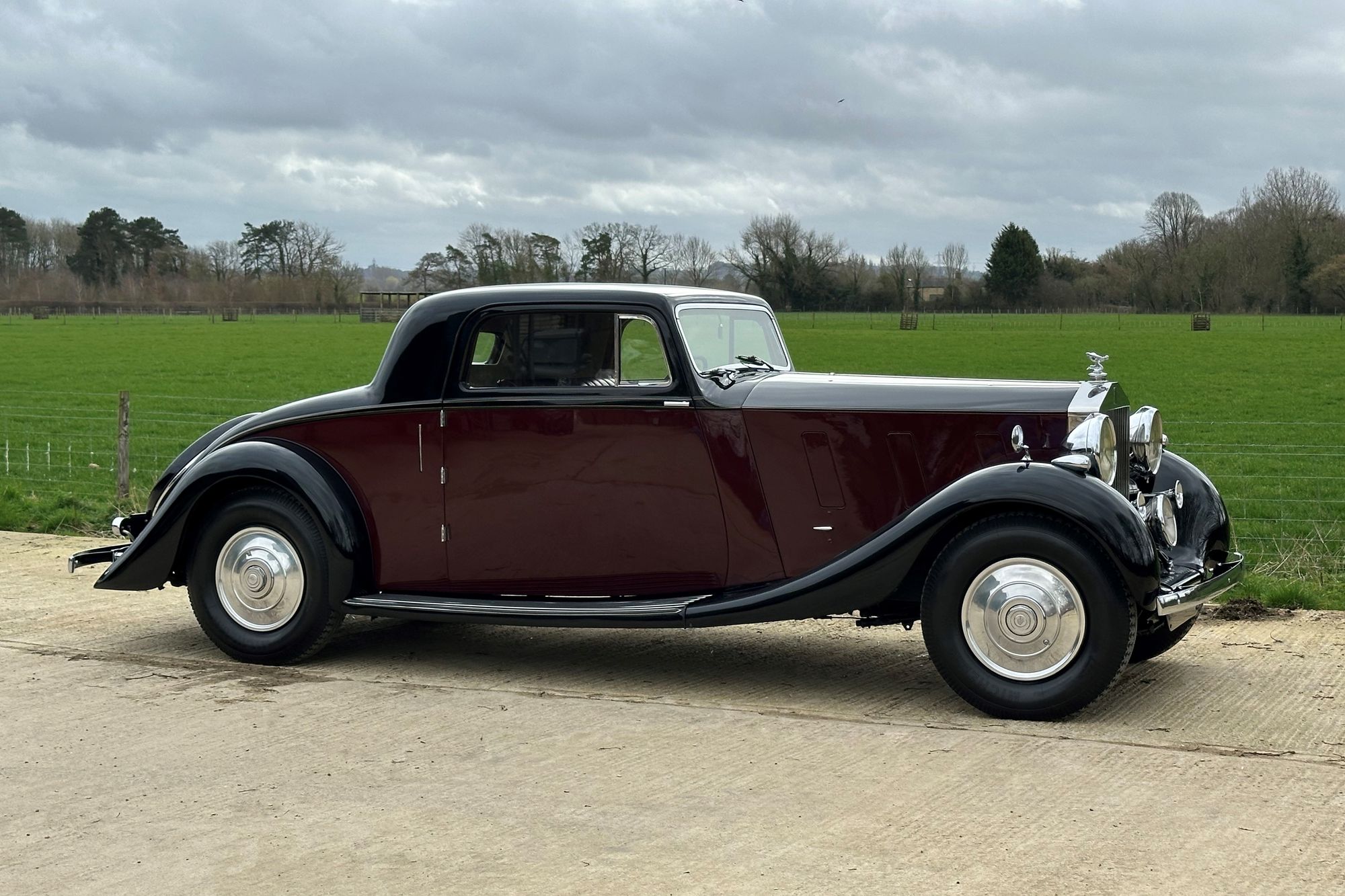
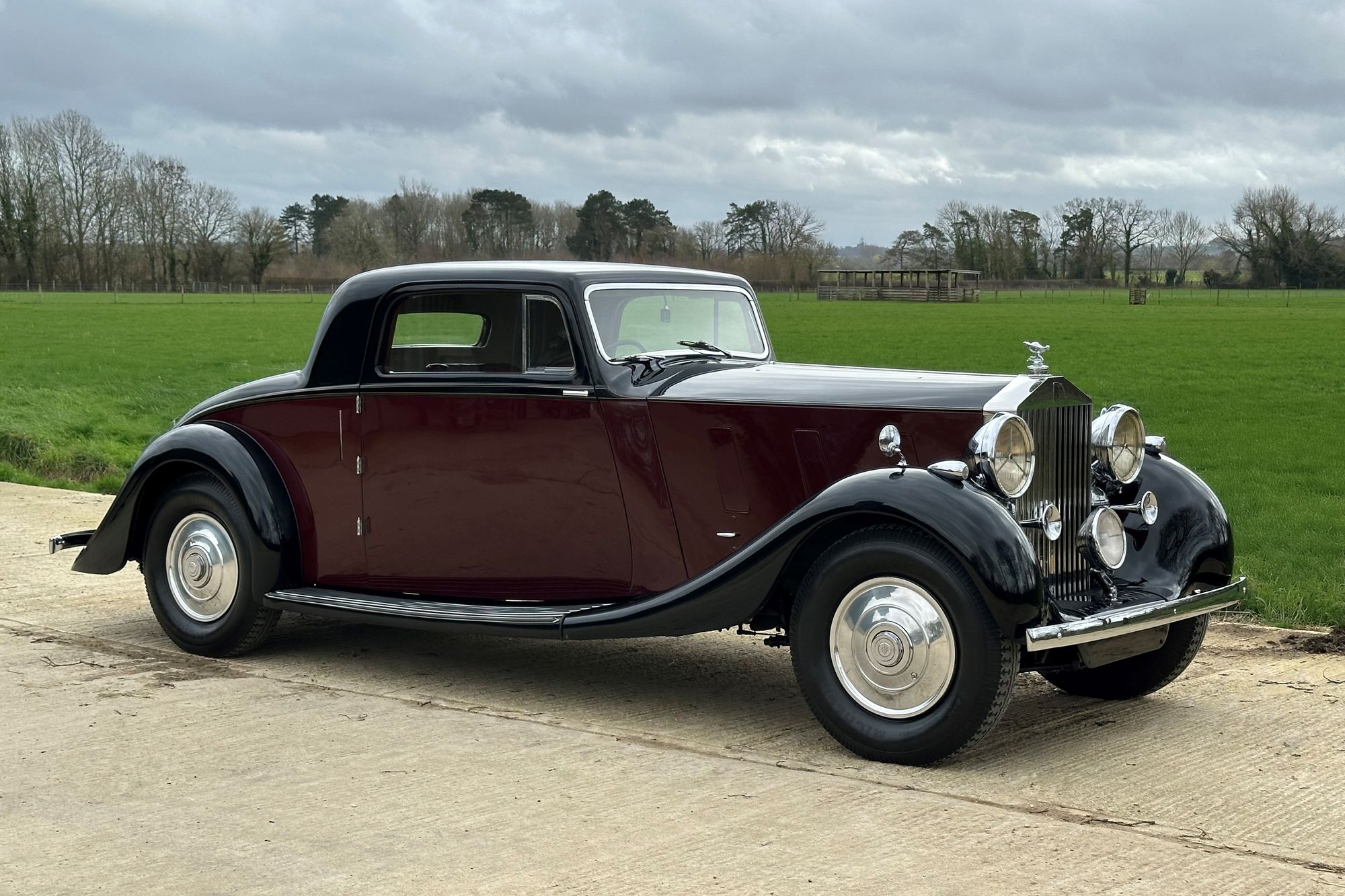
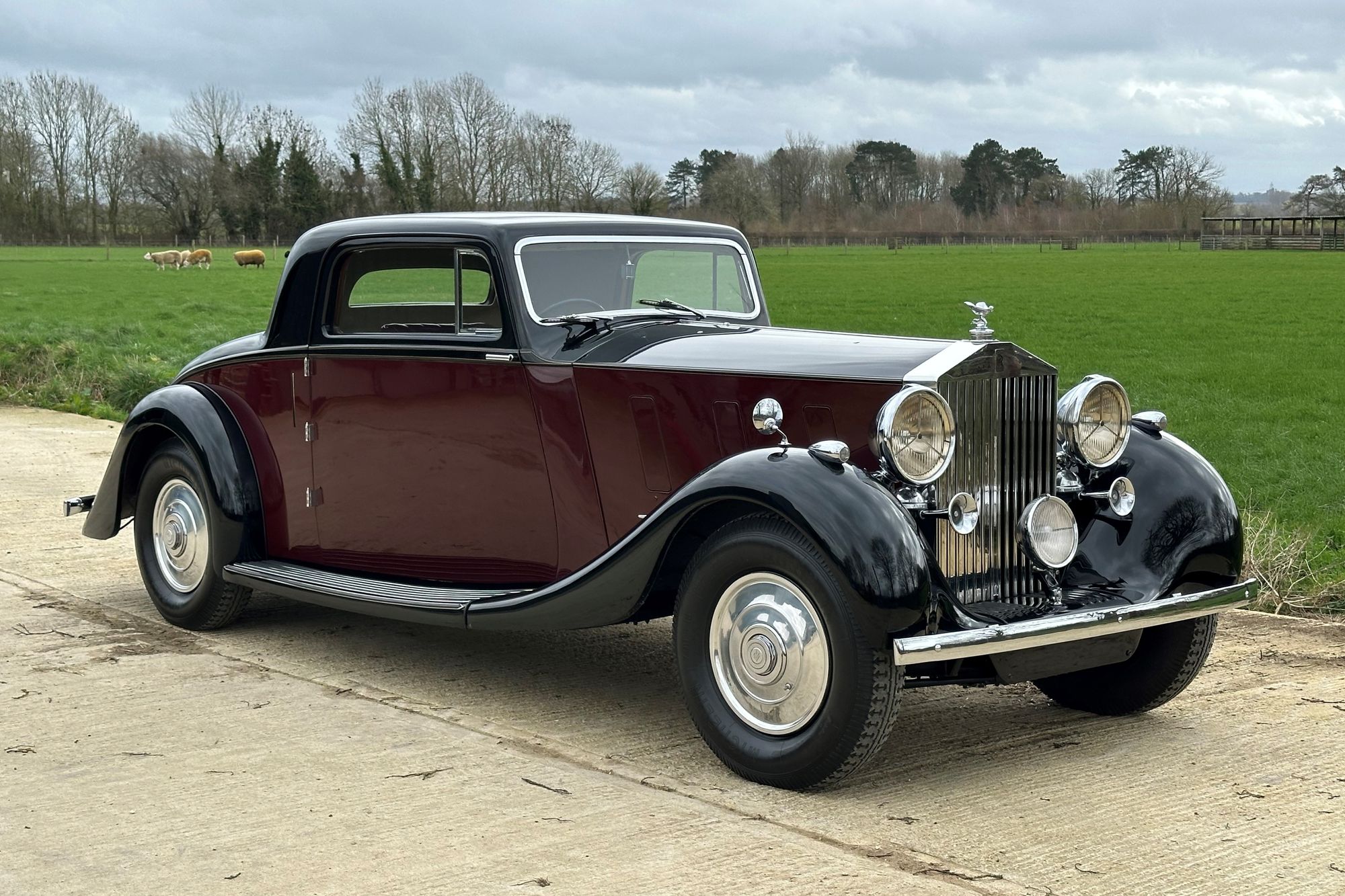
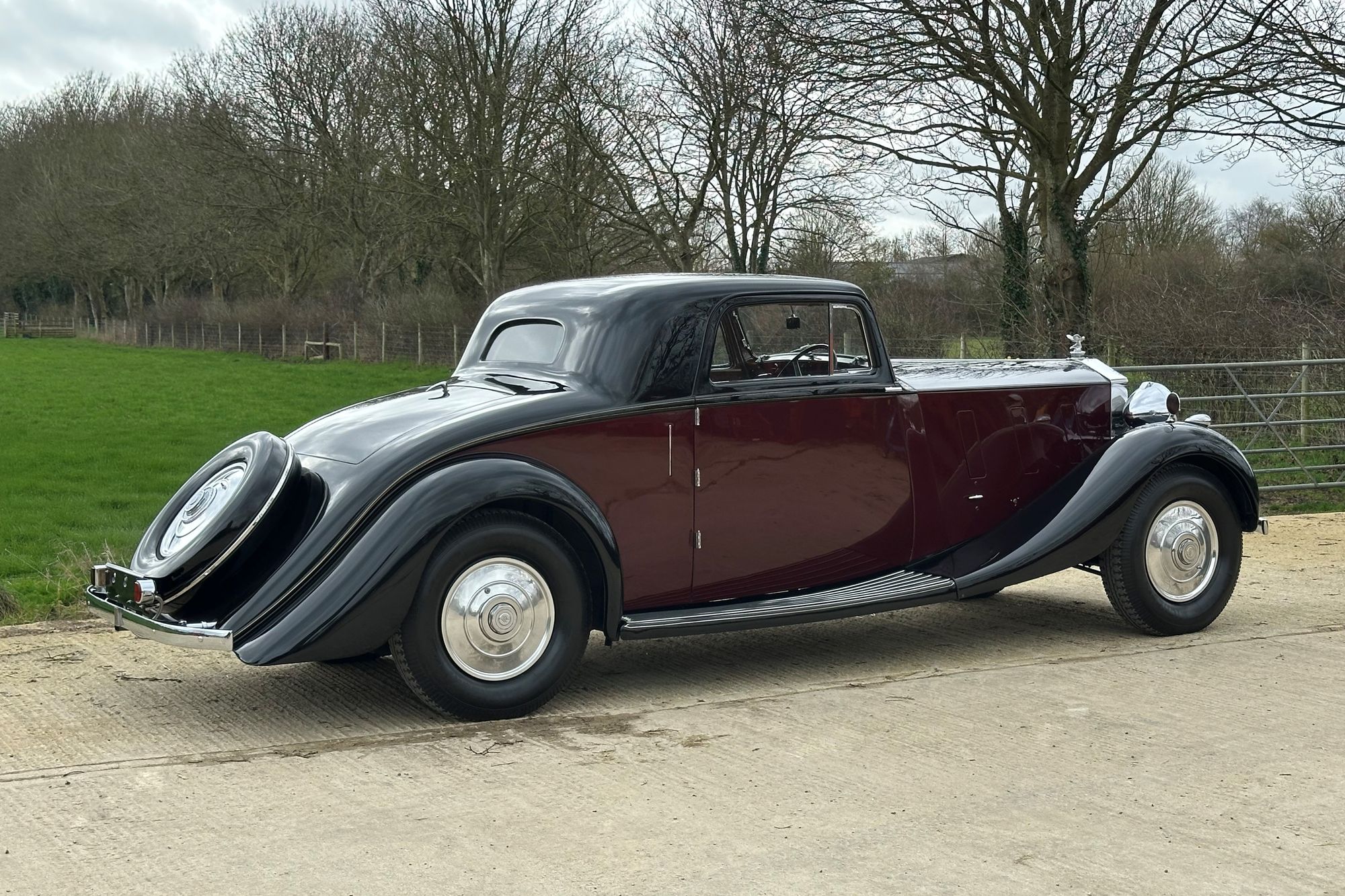
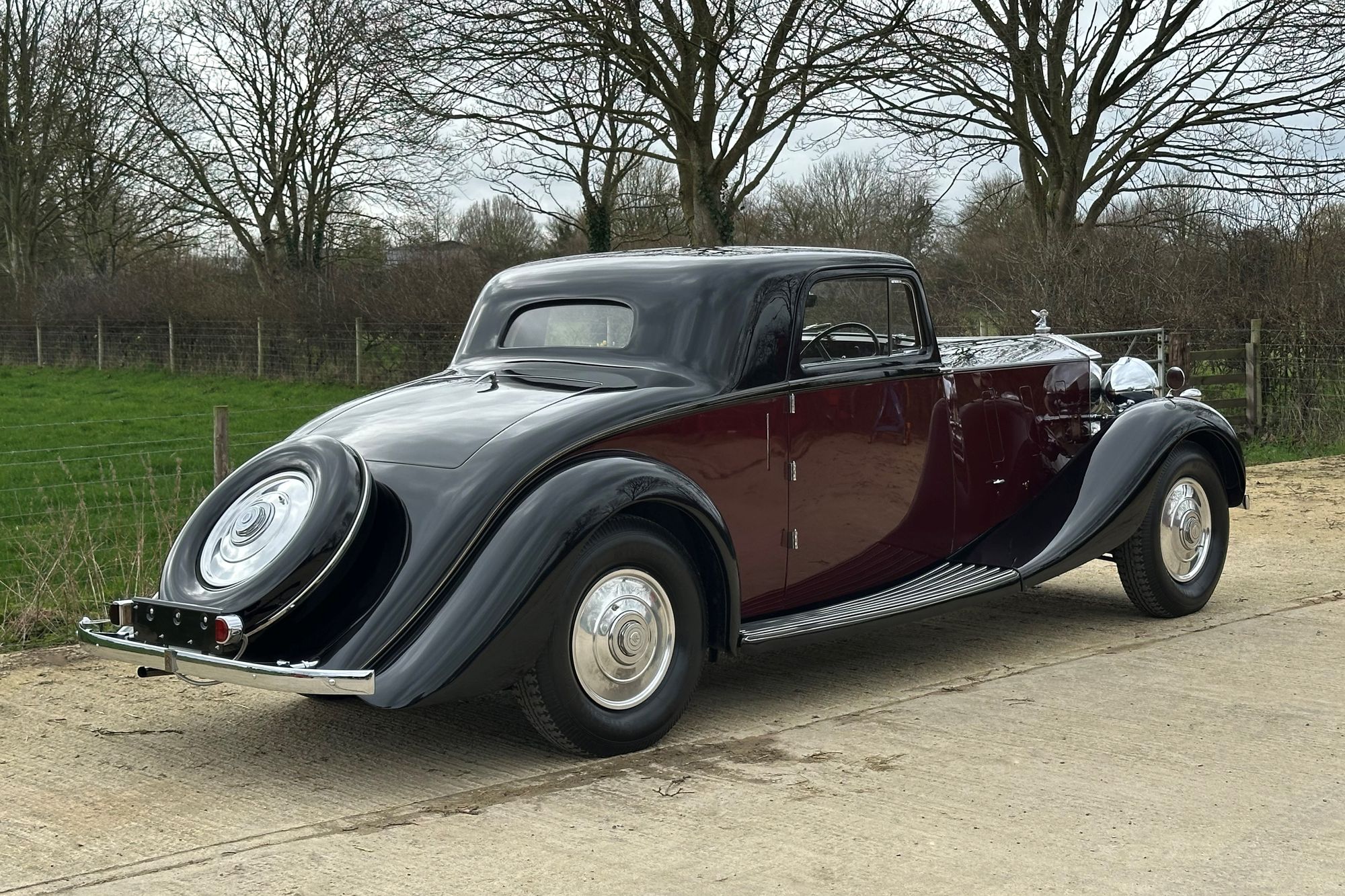
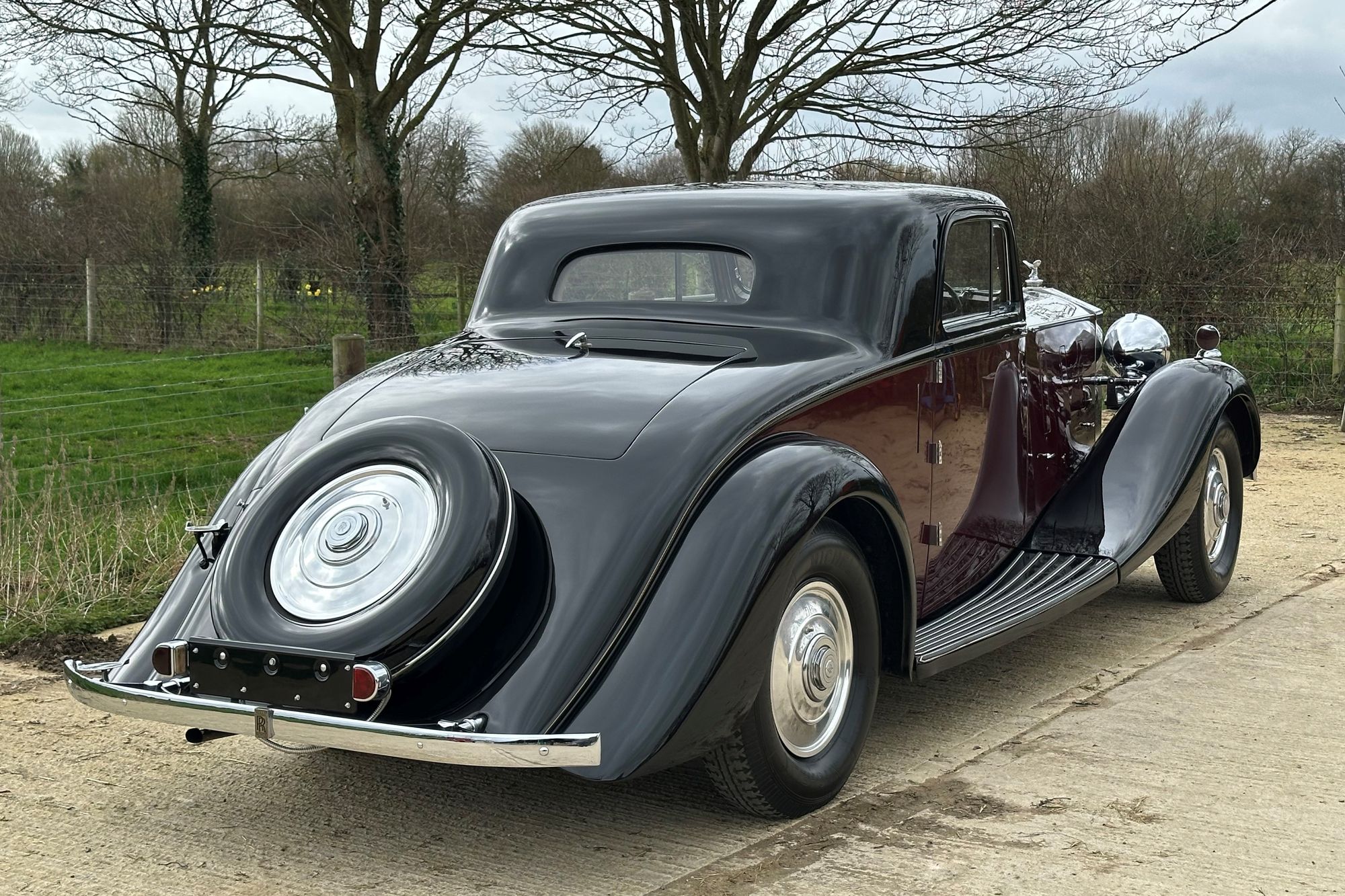
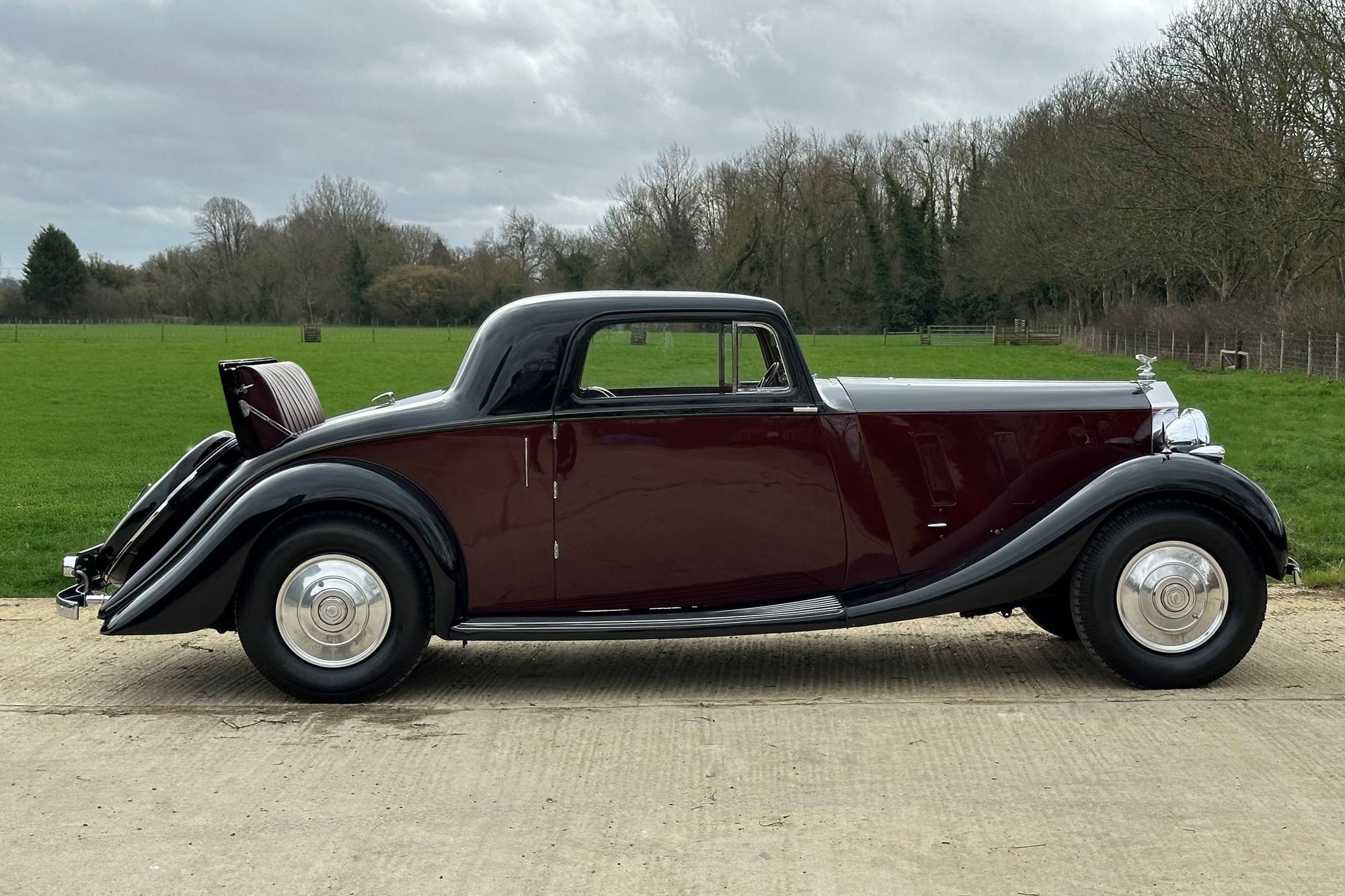
- One of just nine fixed head coupes built on the Phantom III chassis
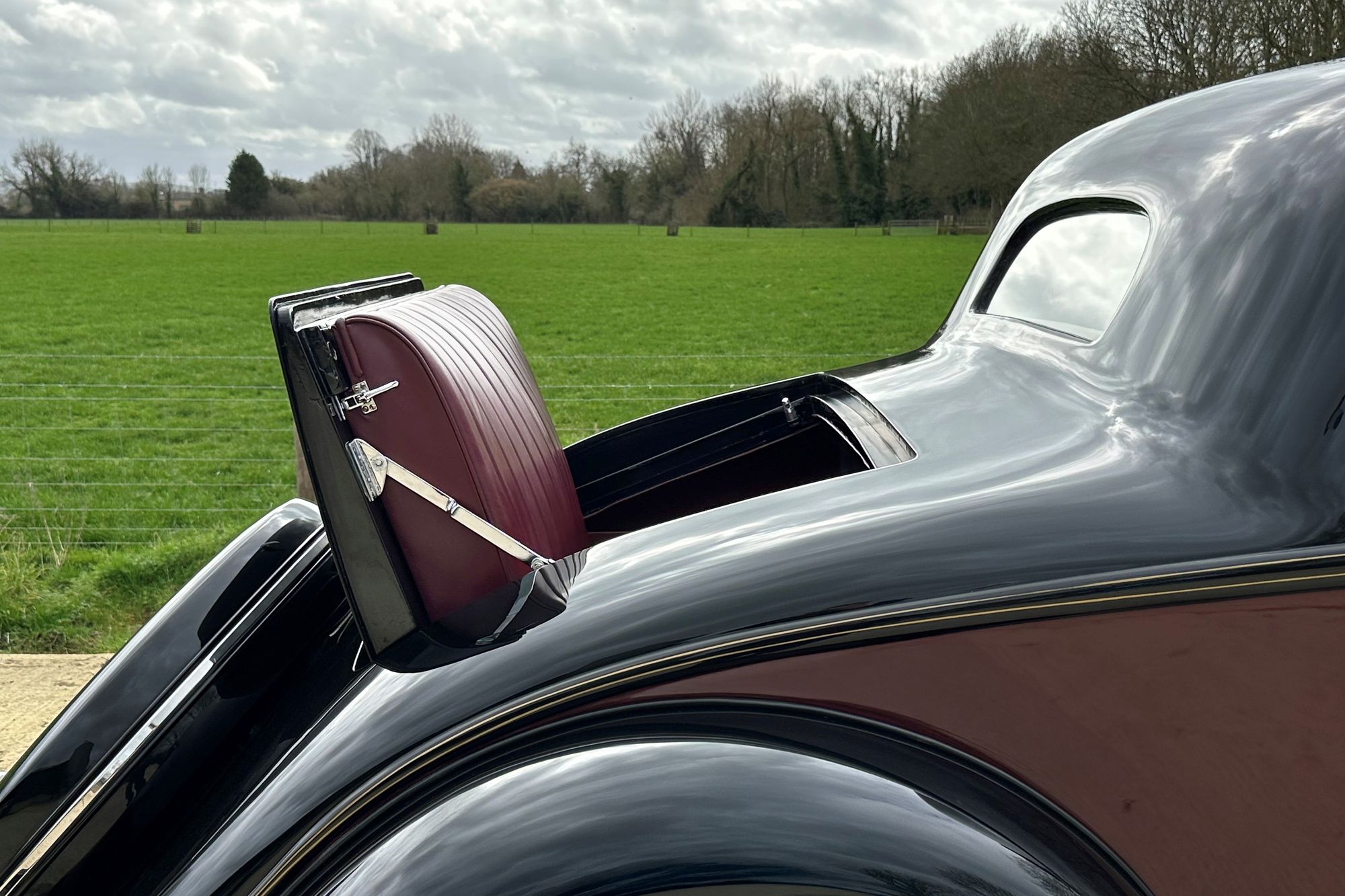
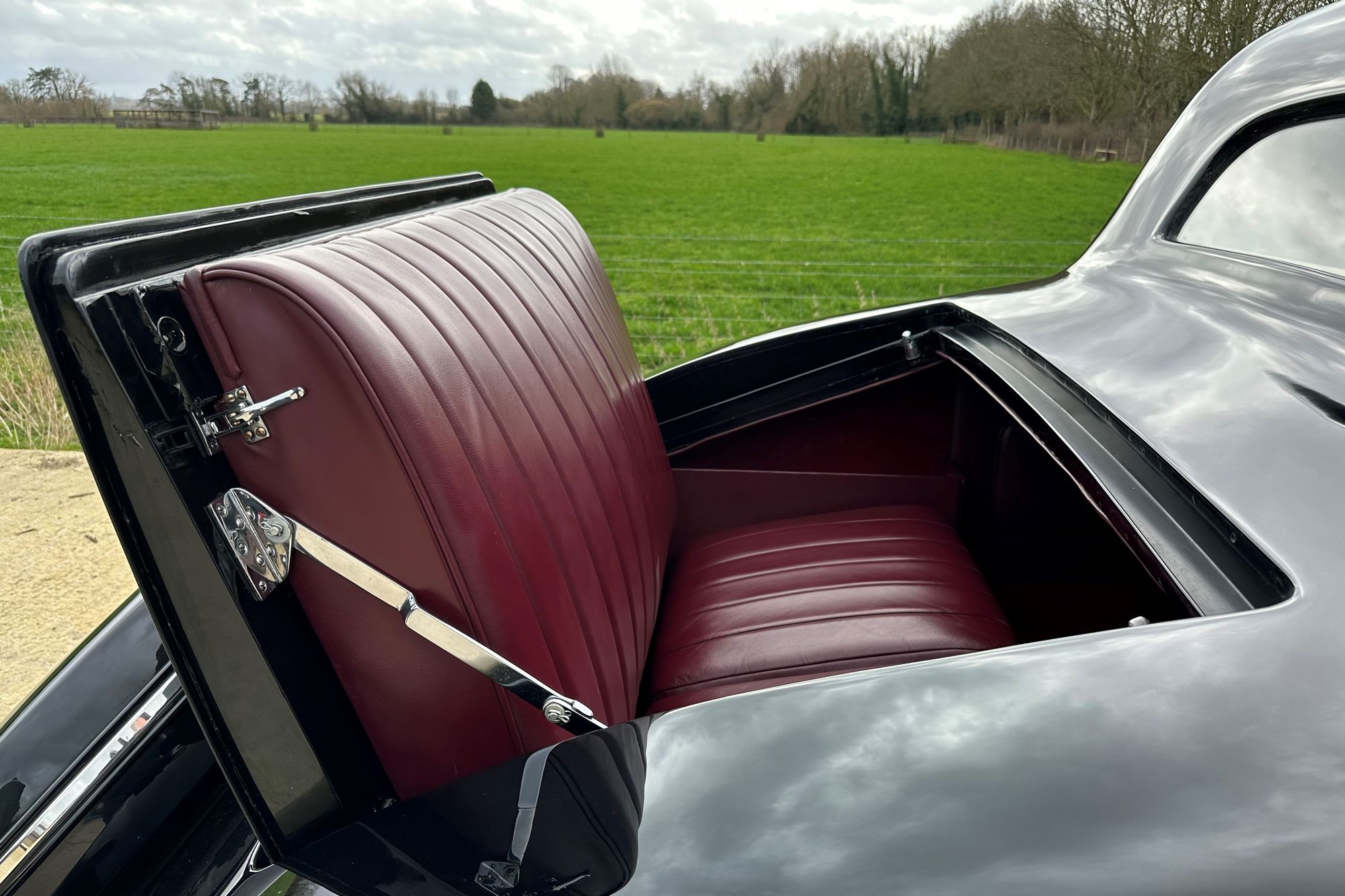
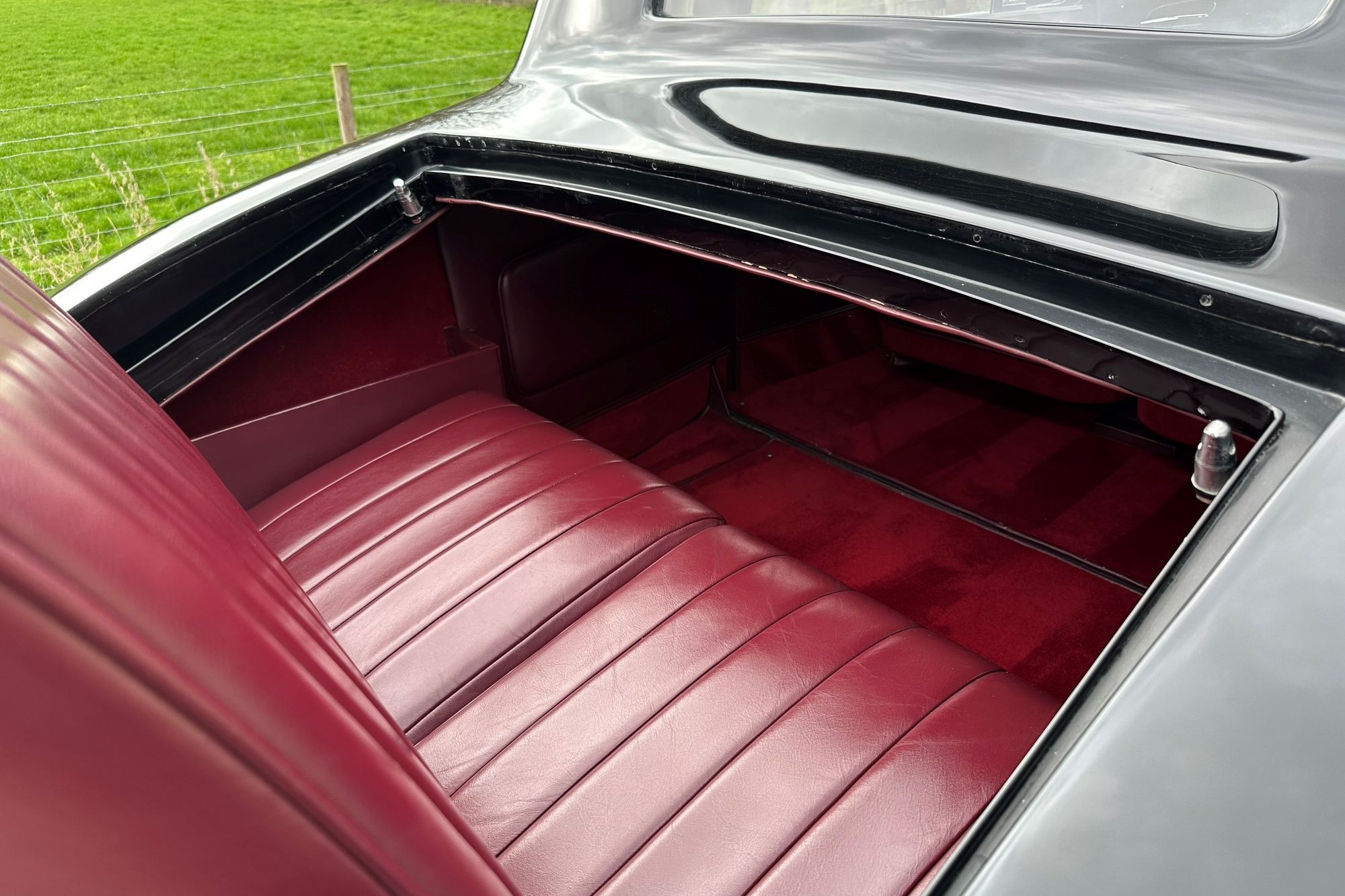
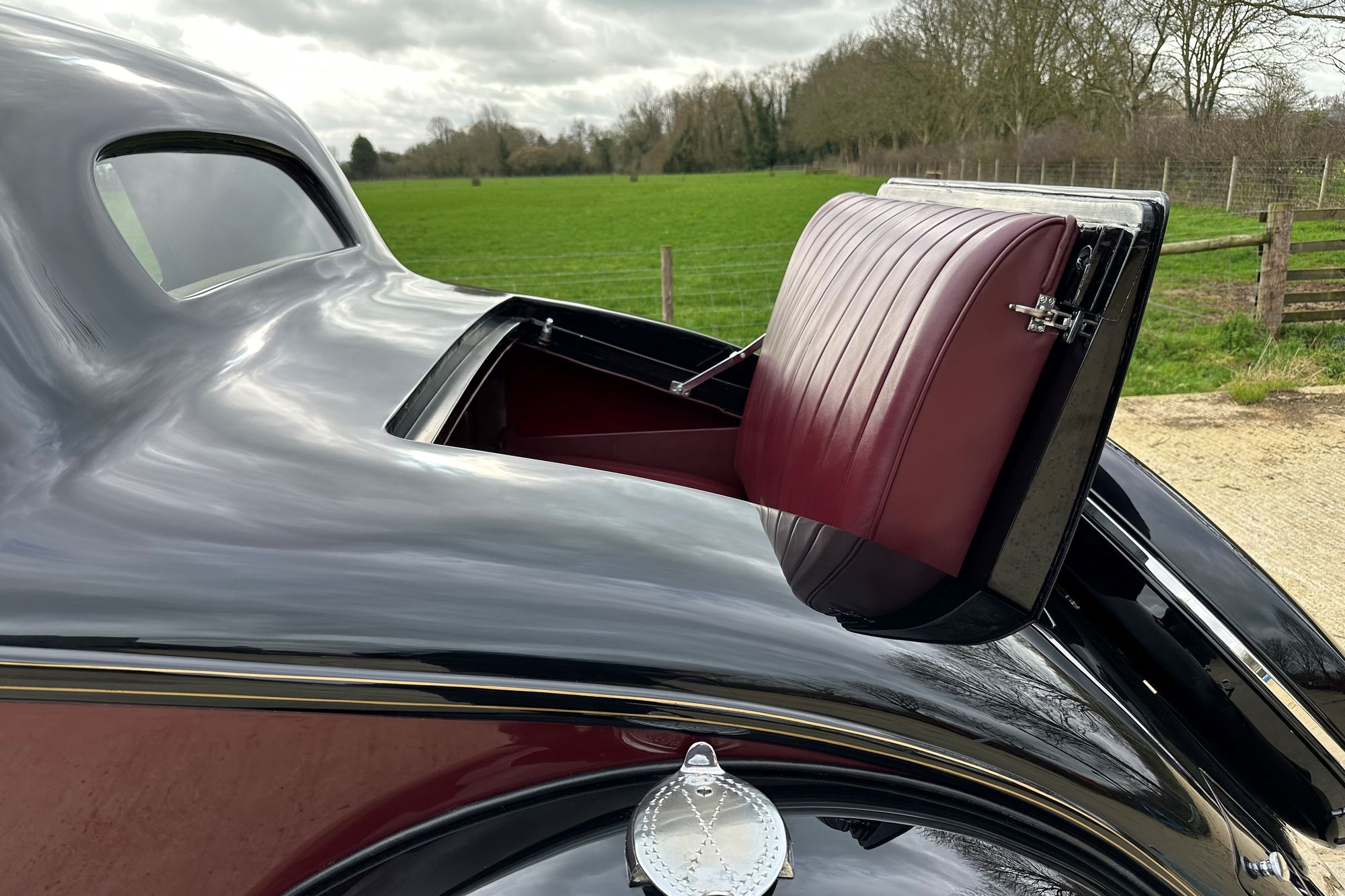
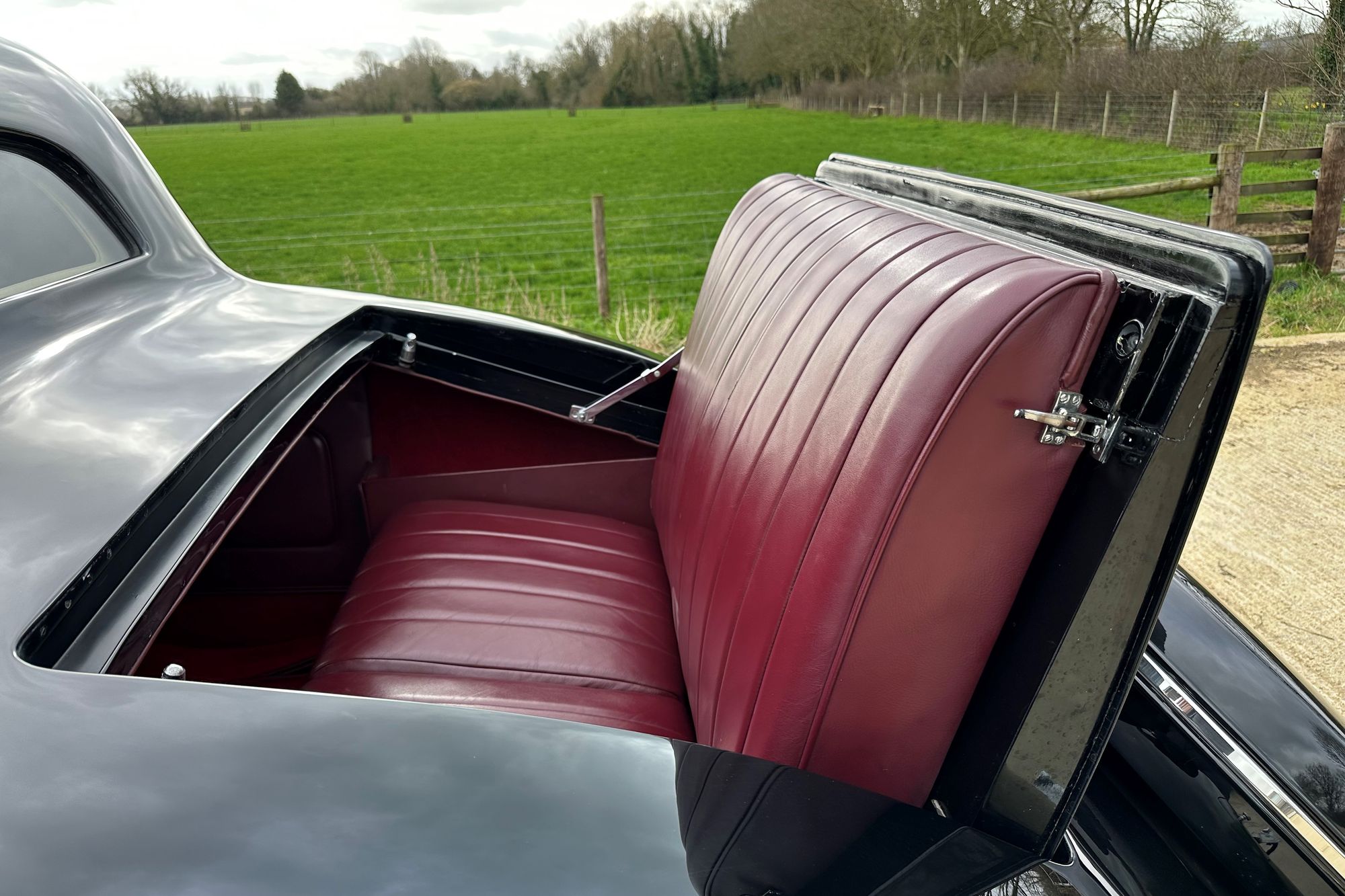
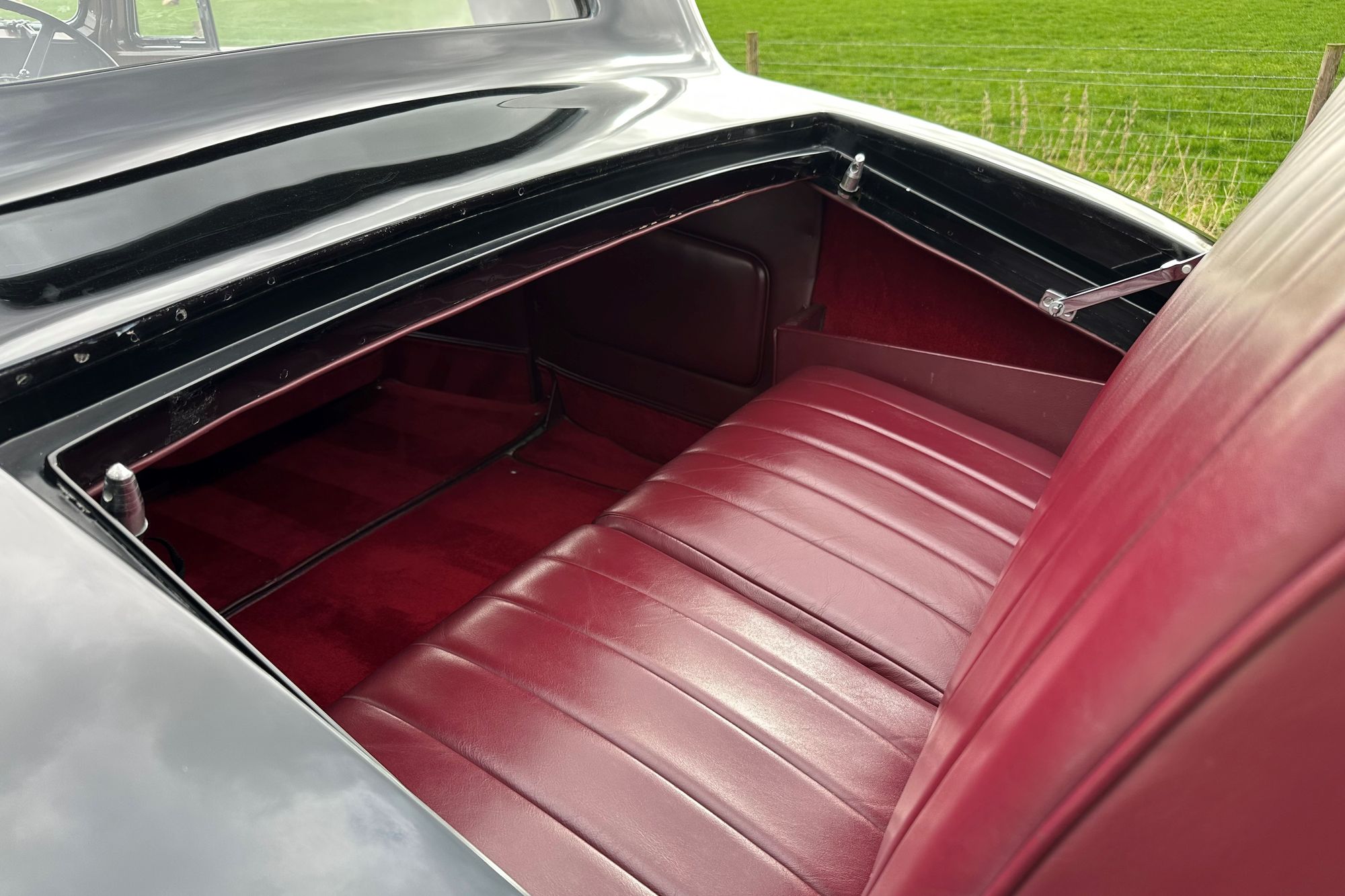
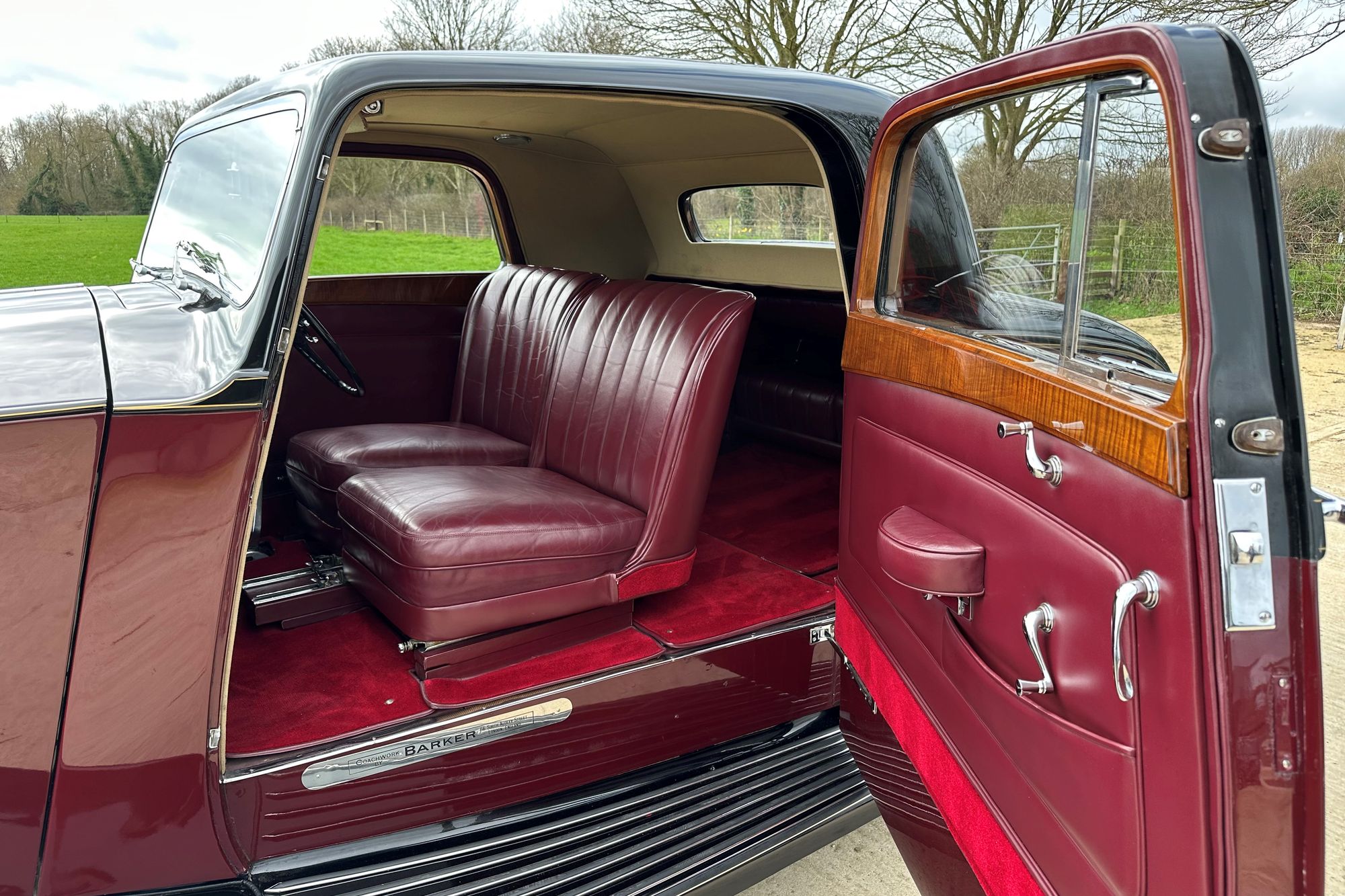
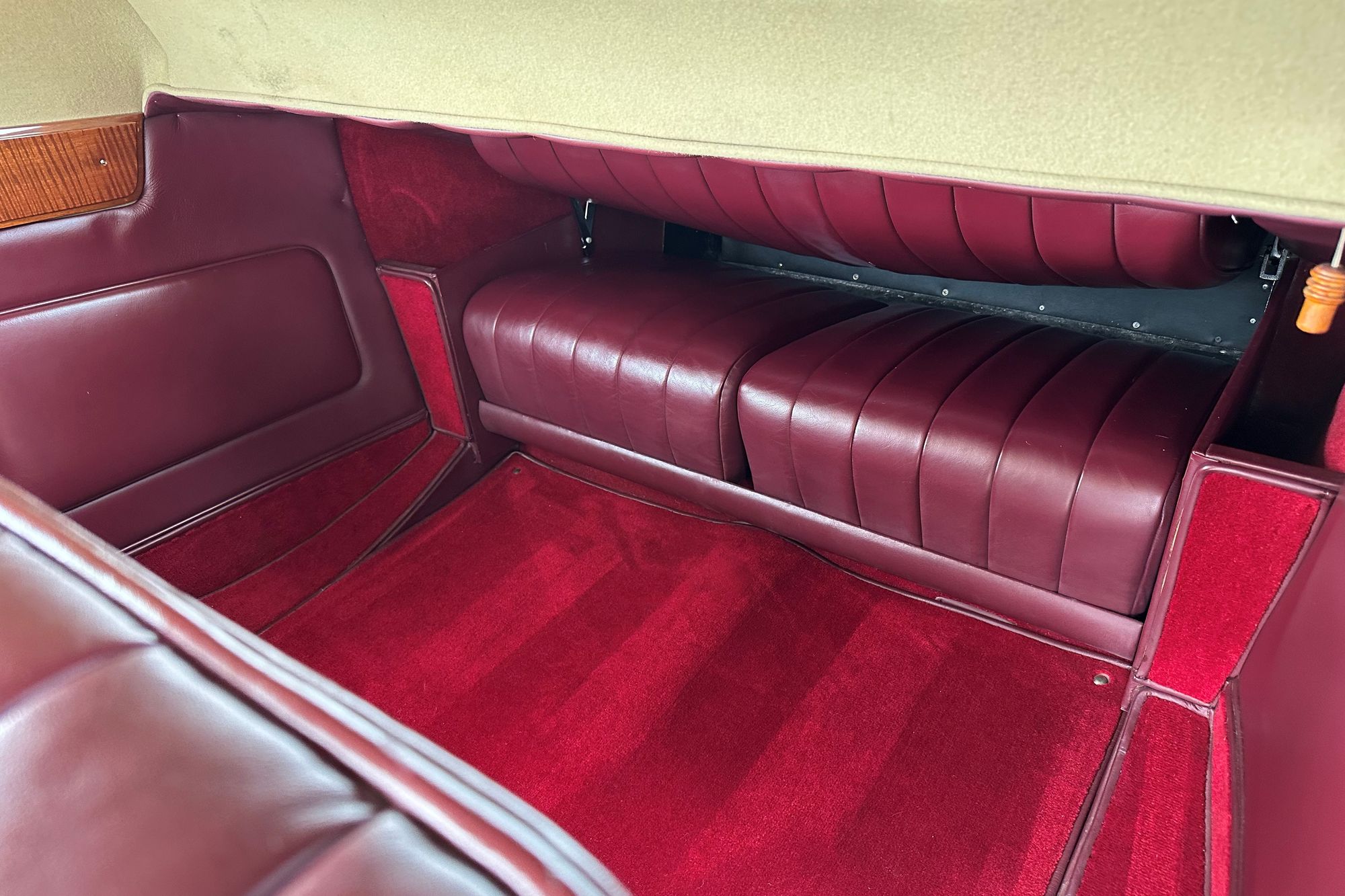
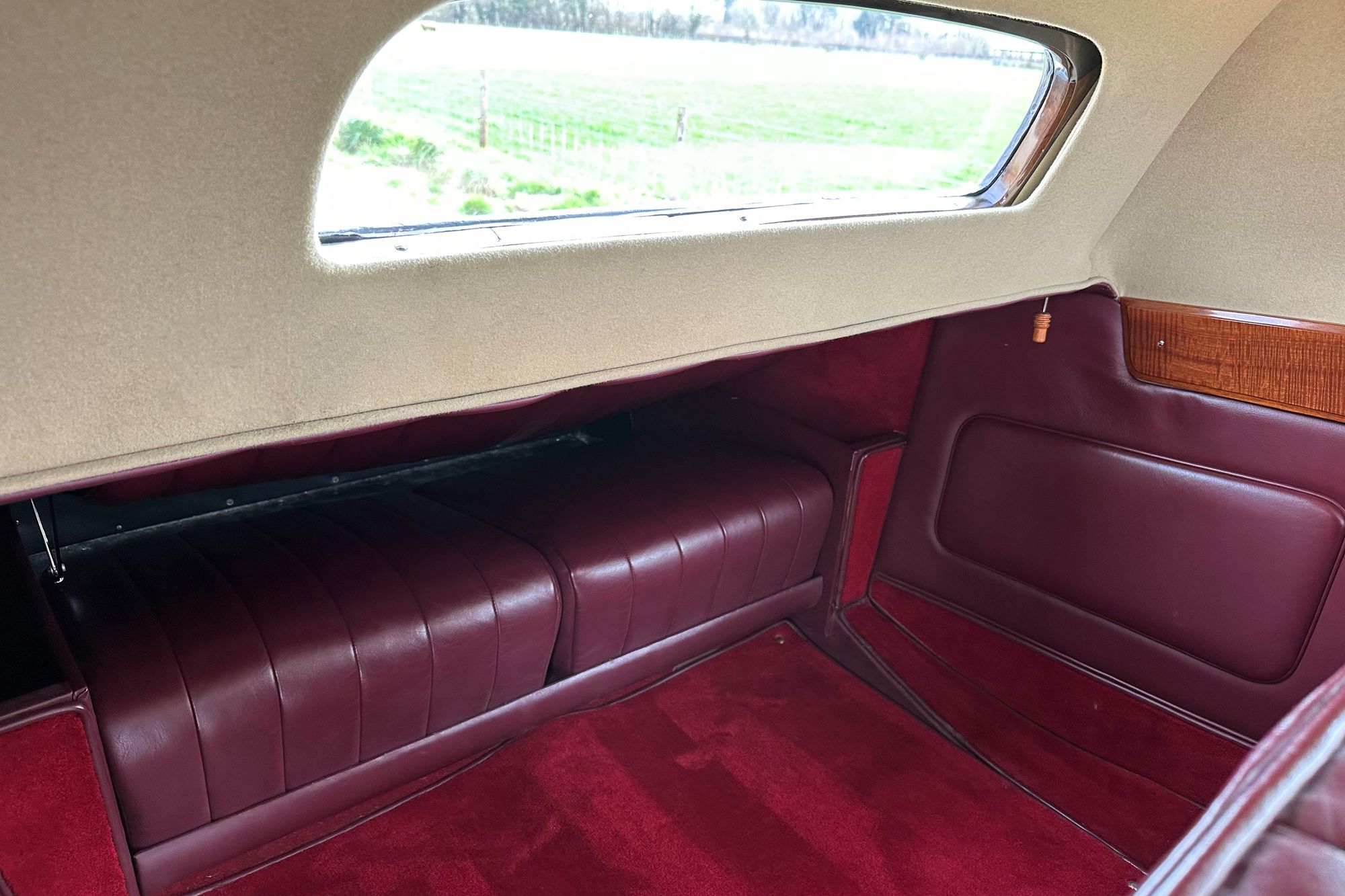
- A unique creation by Barker featuring a rear dickey seat for two passengers
- Delivered new to the US in 1936 where it remained until late 2025
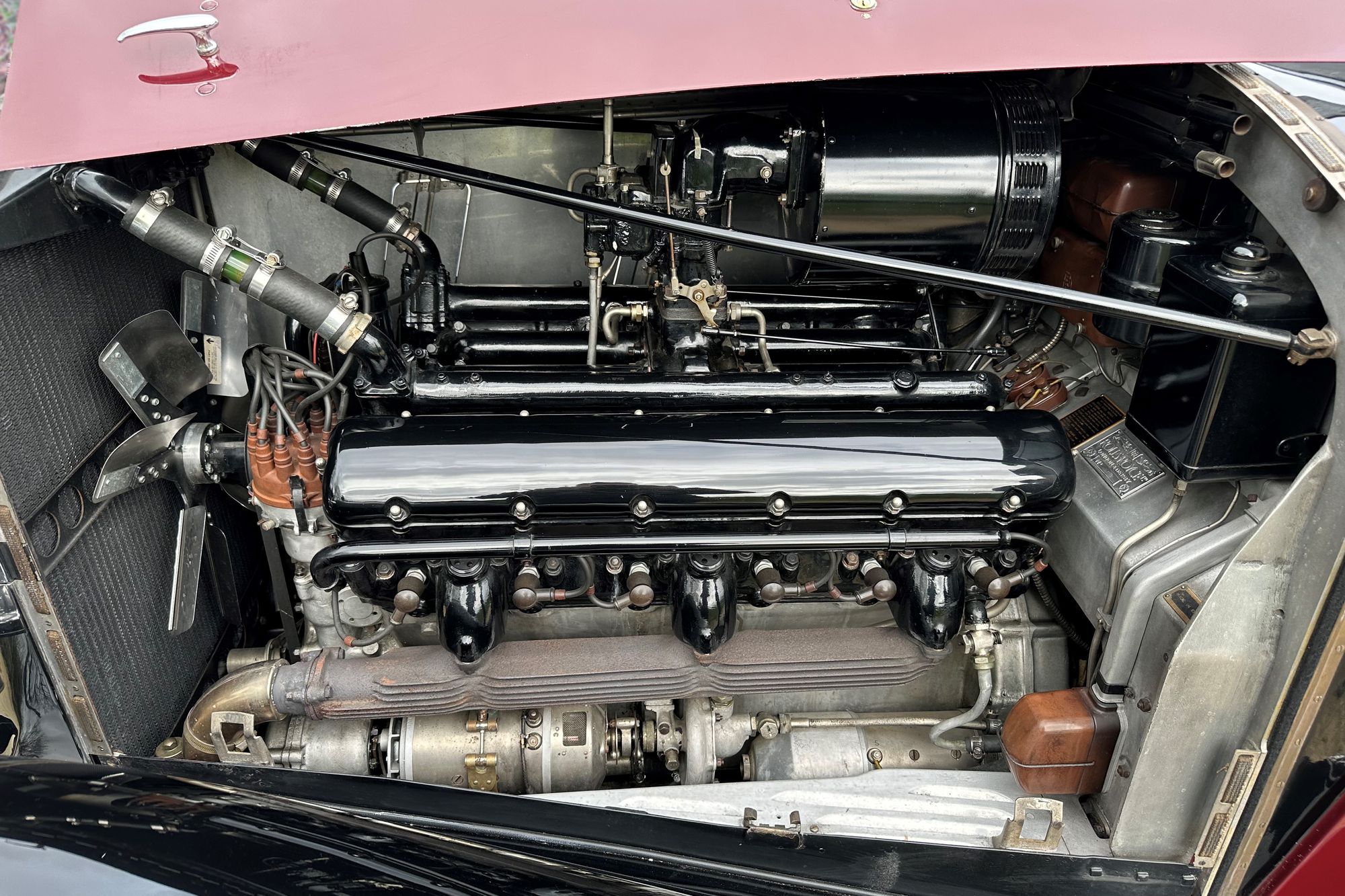
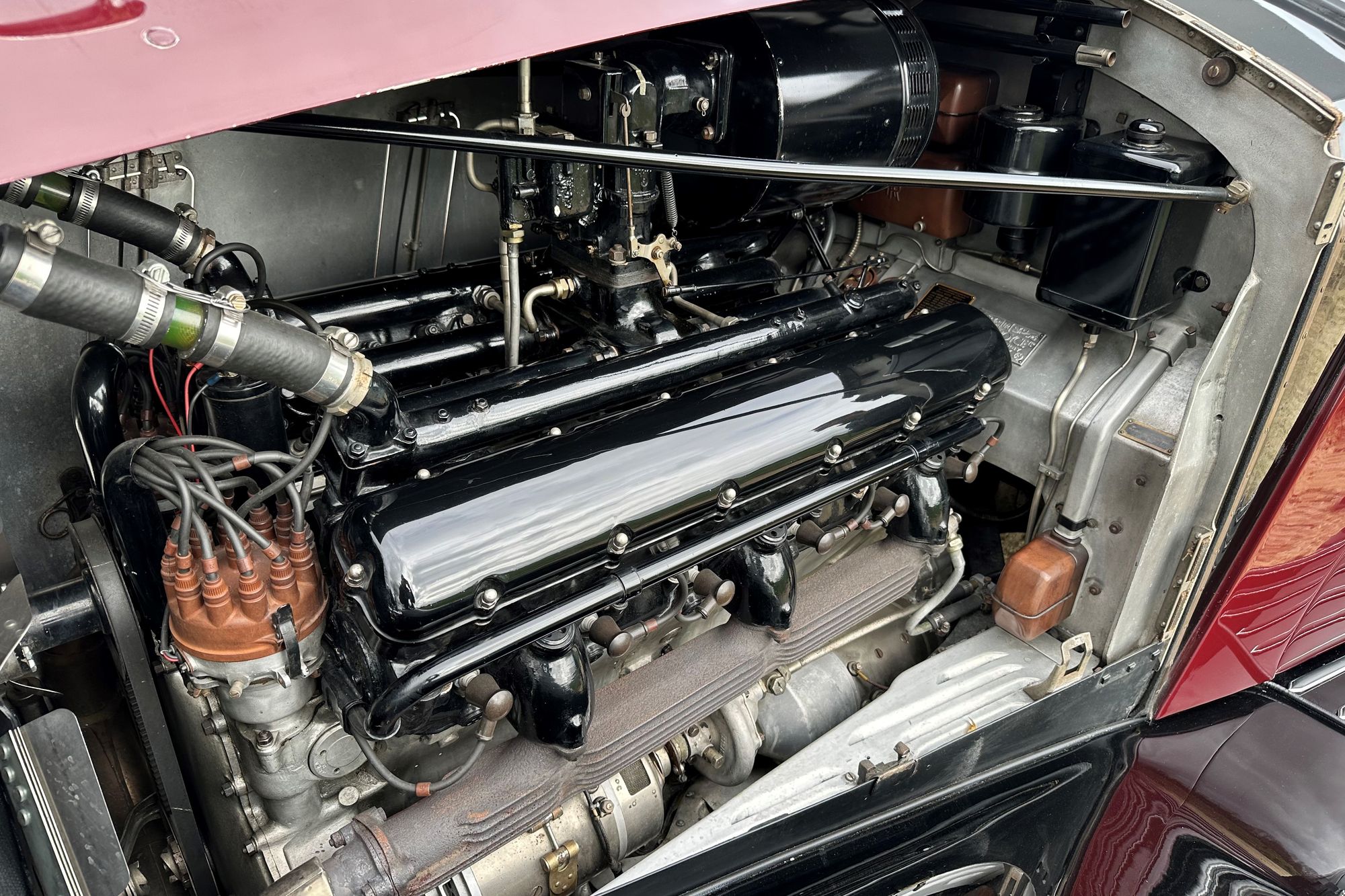
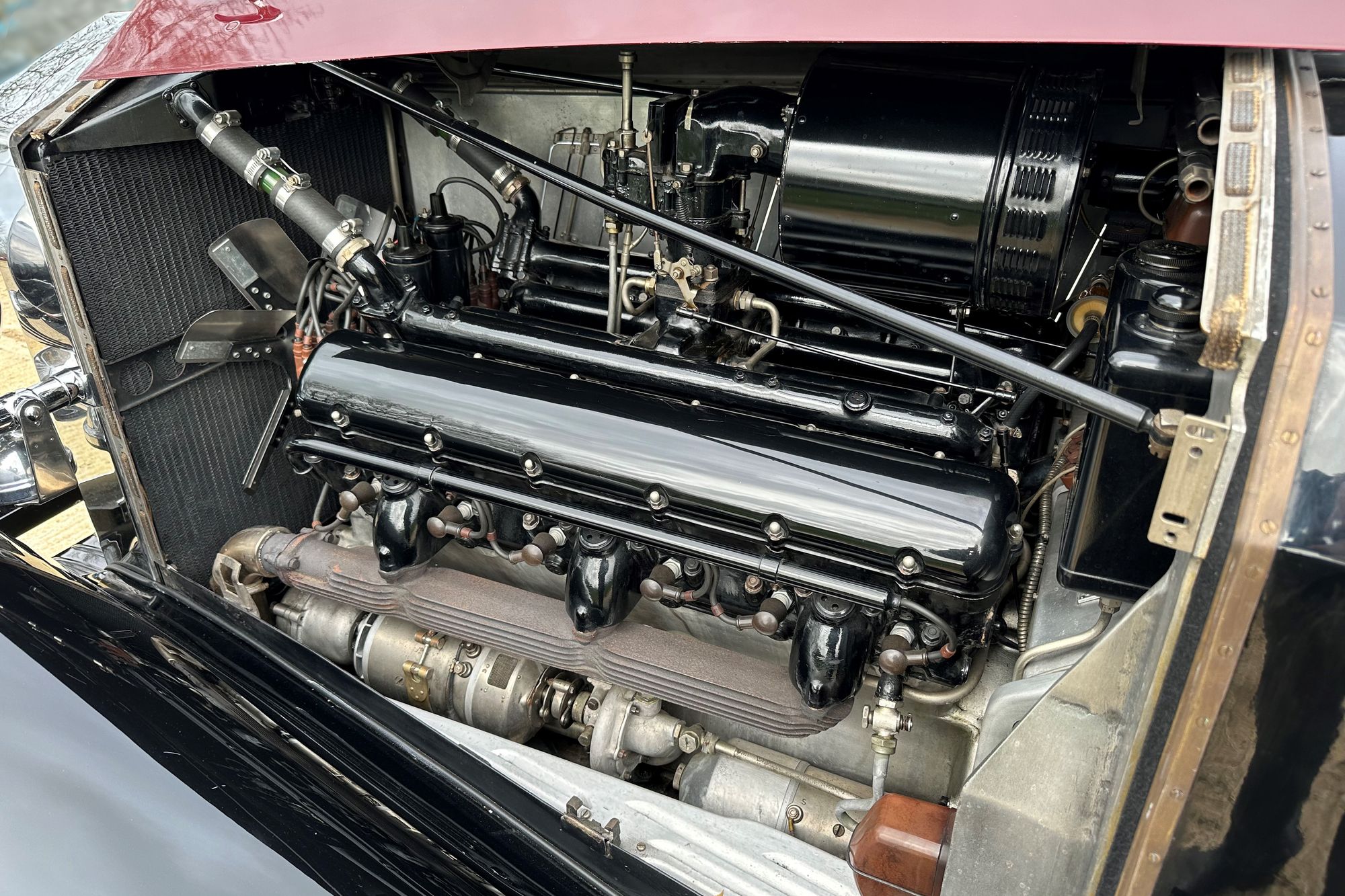
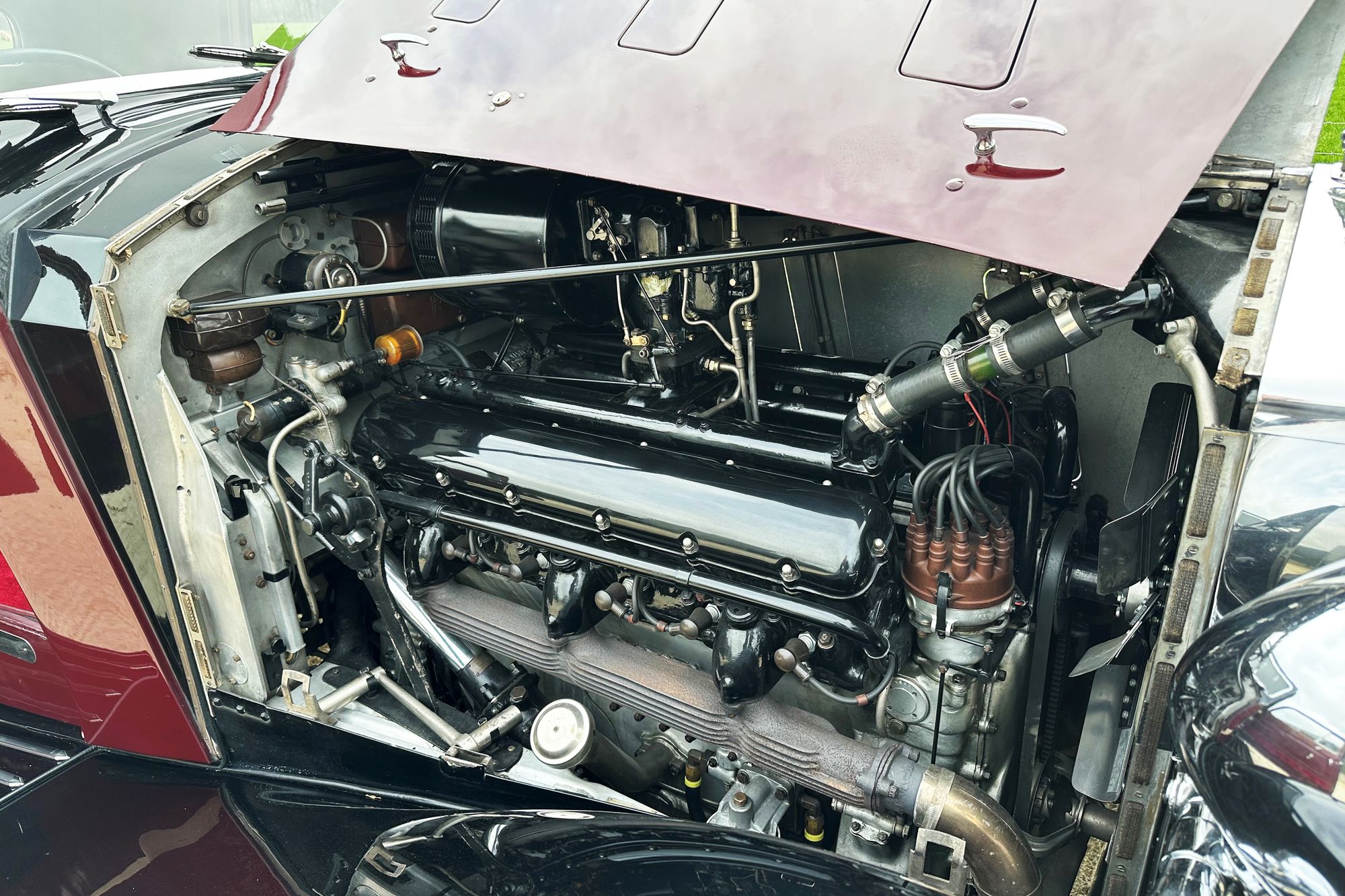
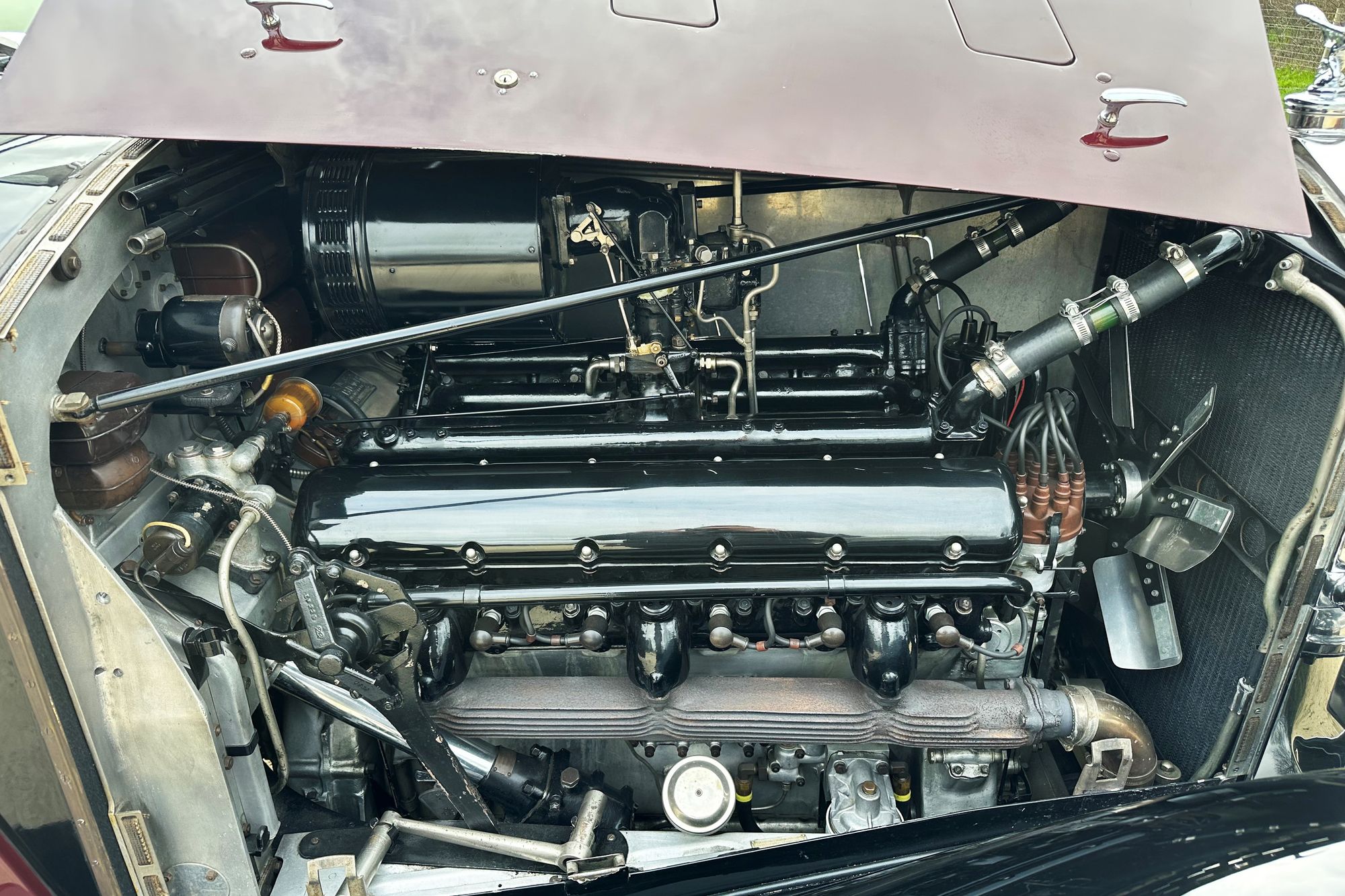
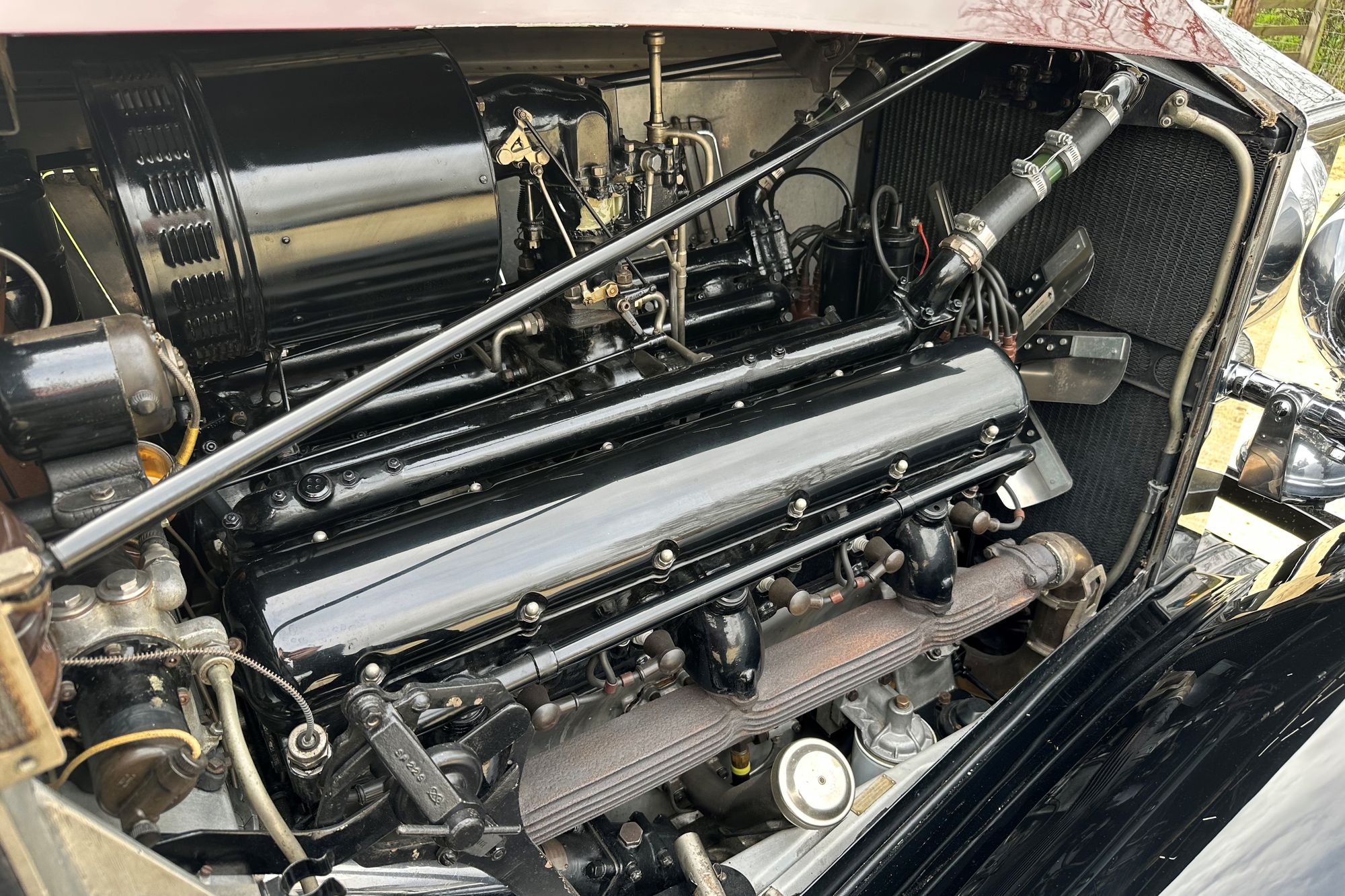
- Engine overhauled by Dennison-Jayne Motors Inc in Pennsylvania
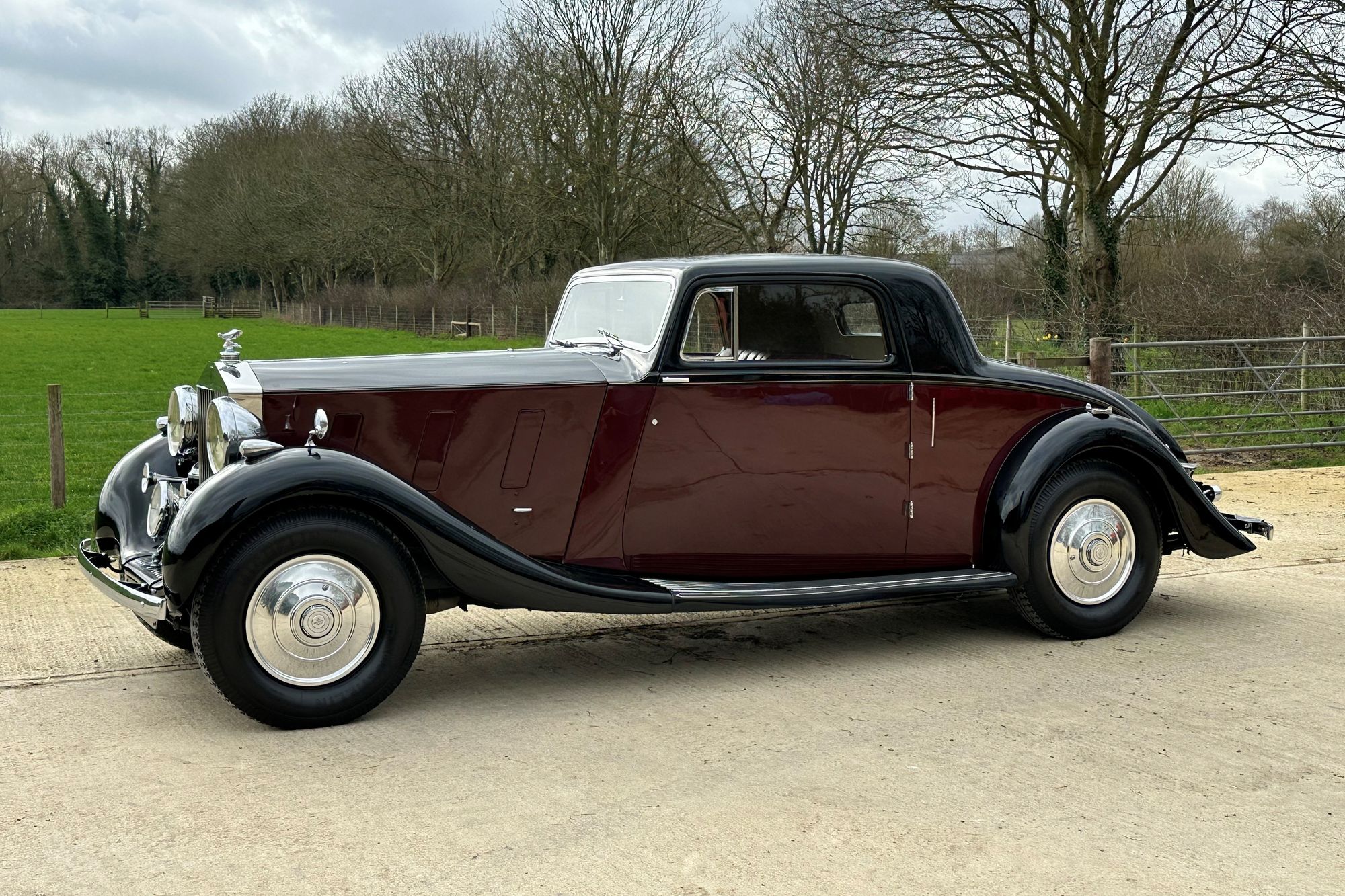
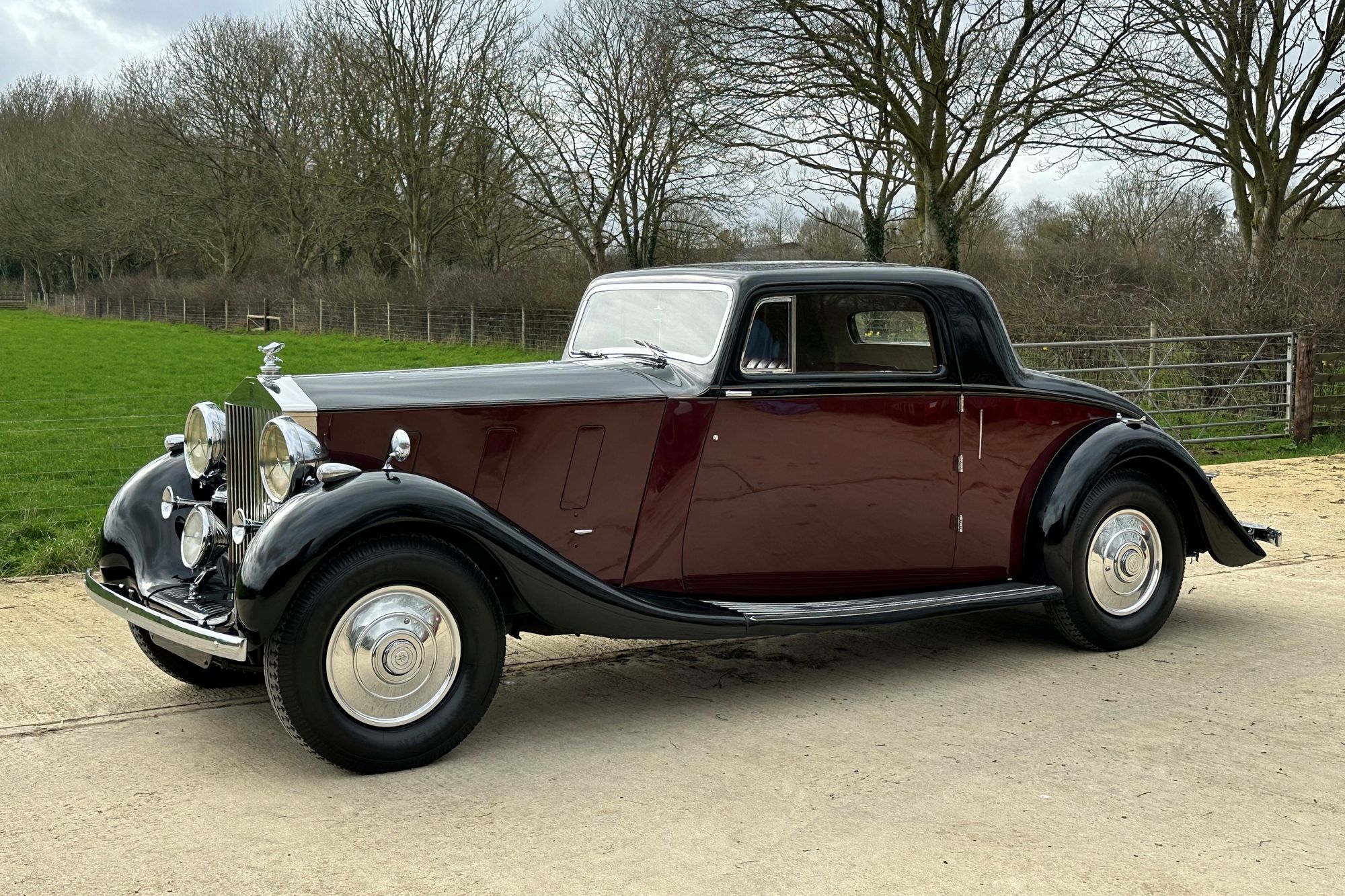
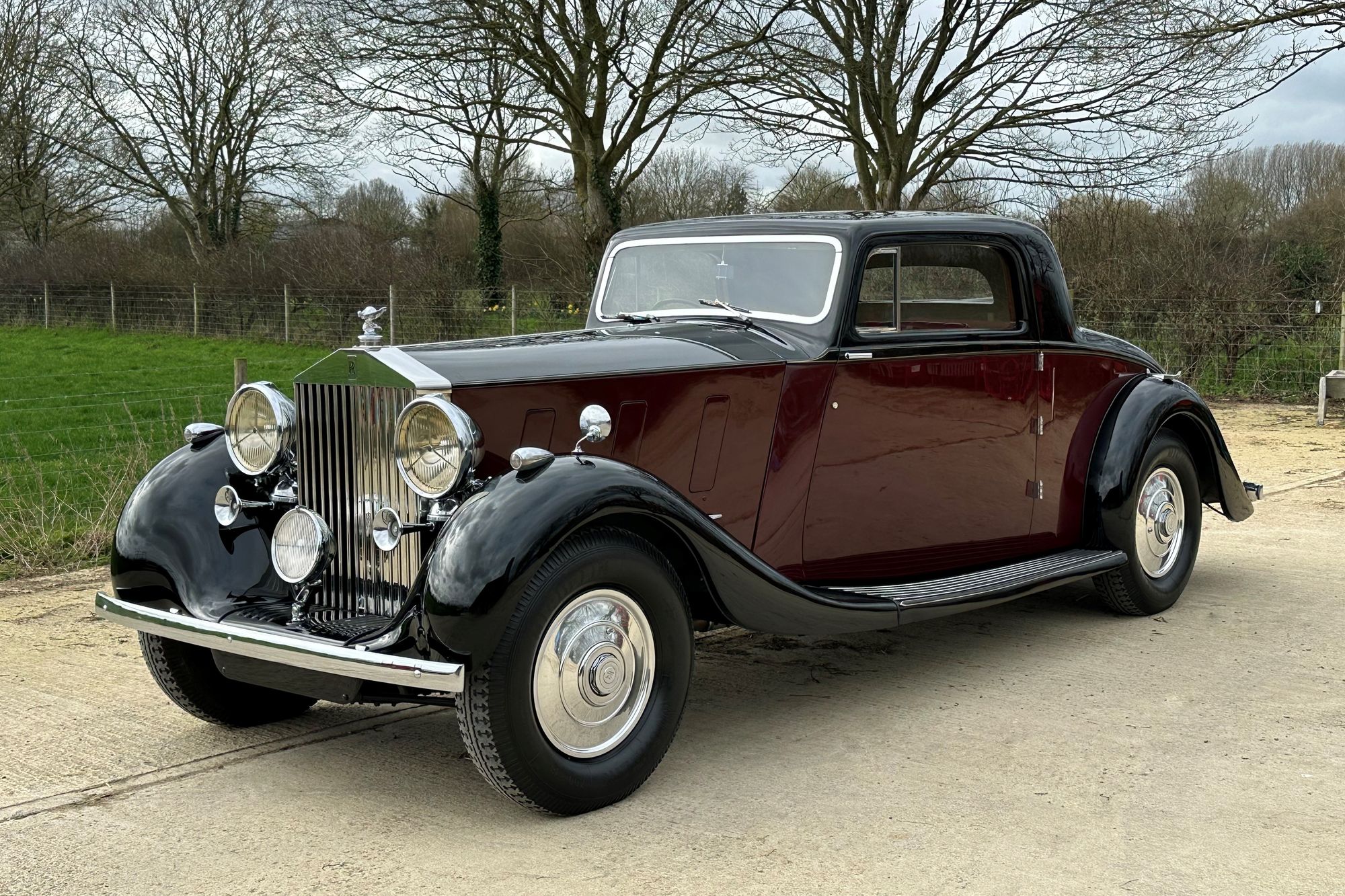
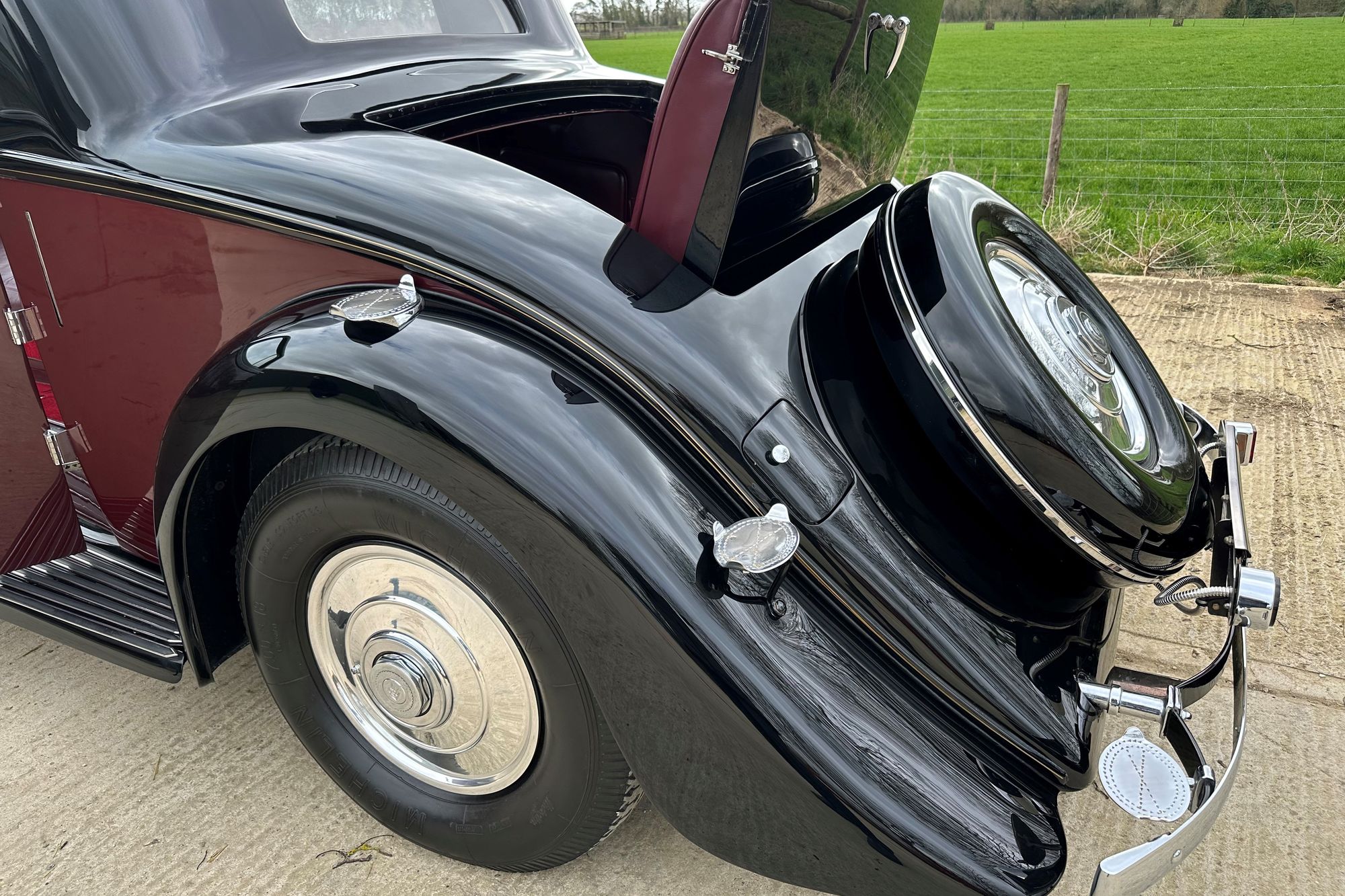
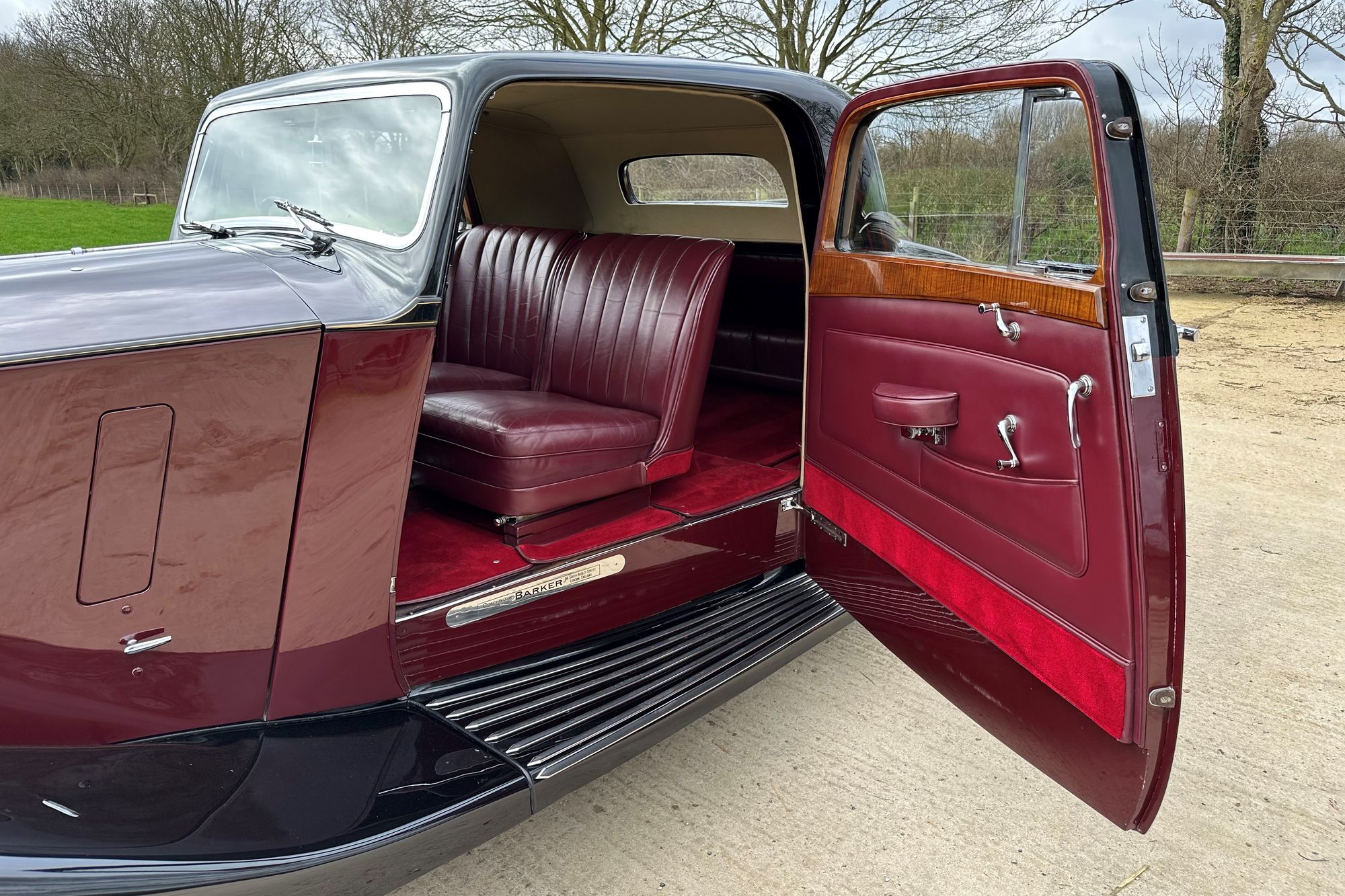
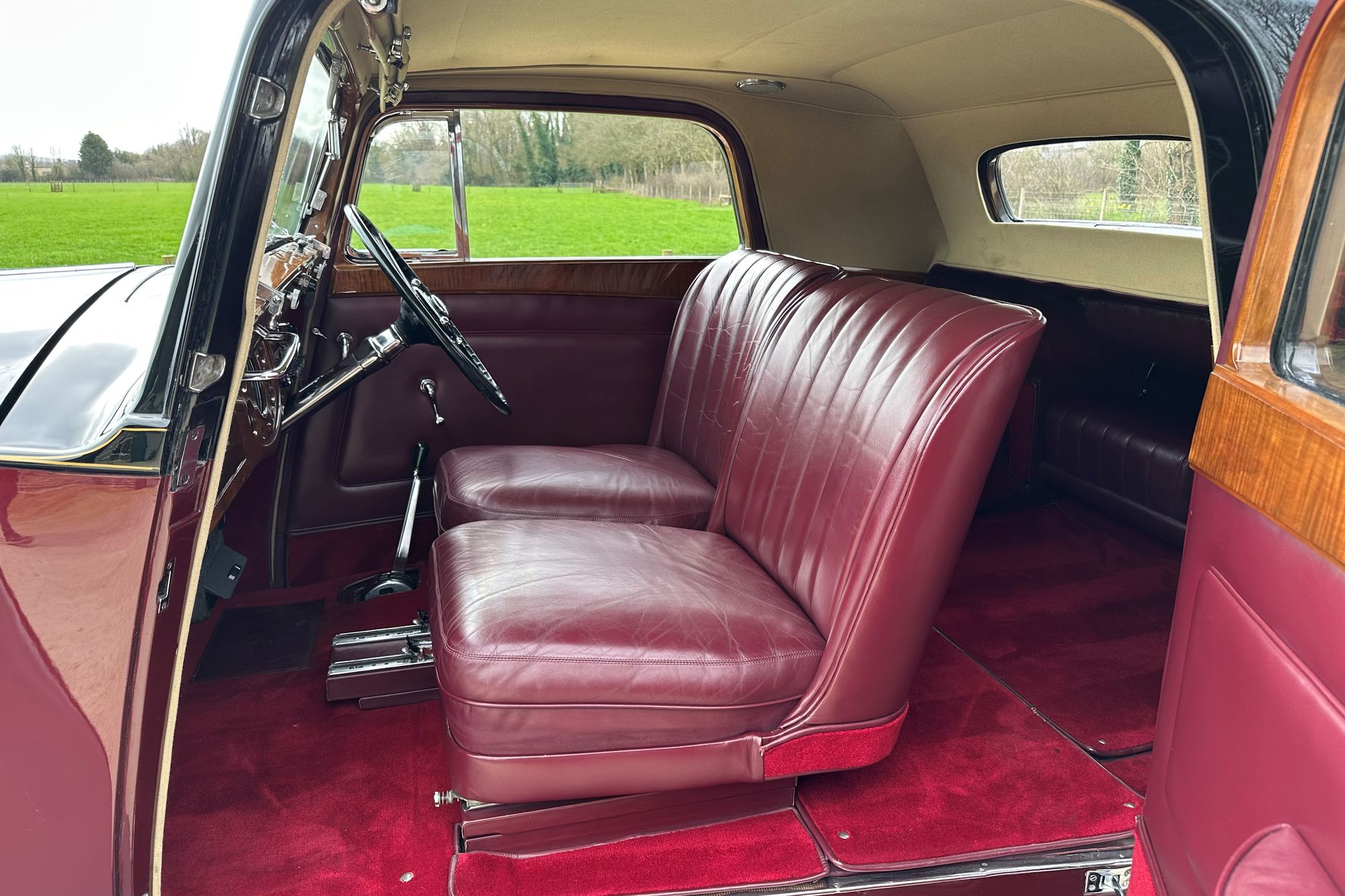
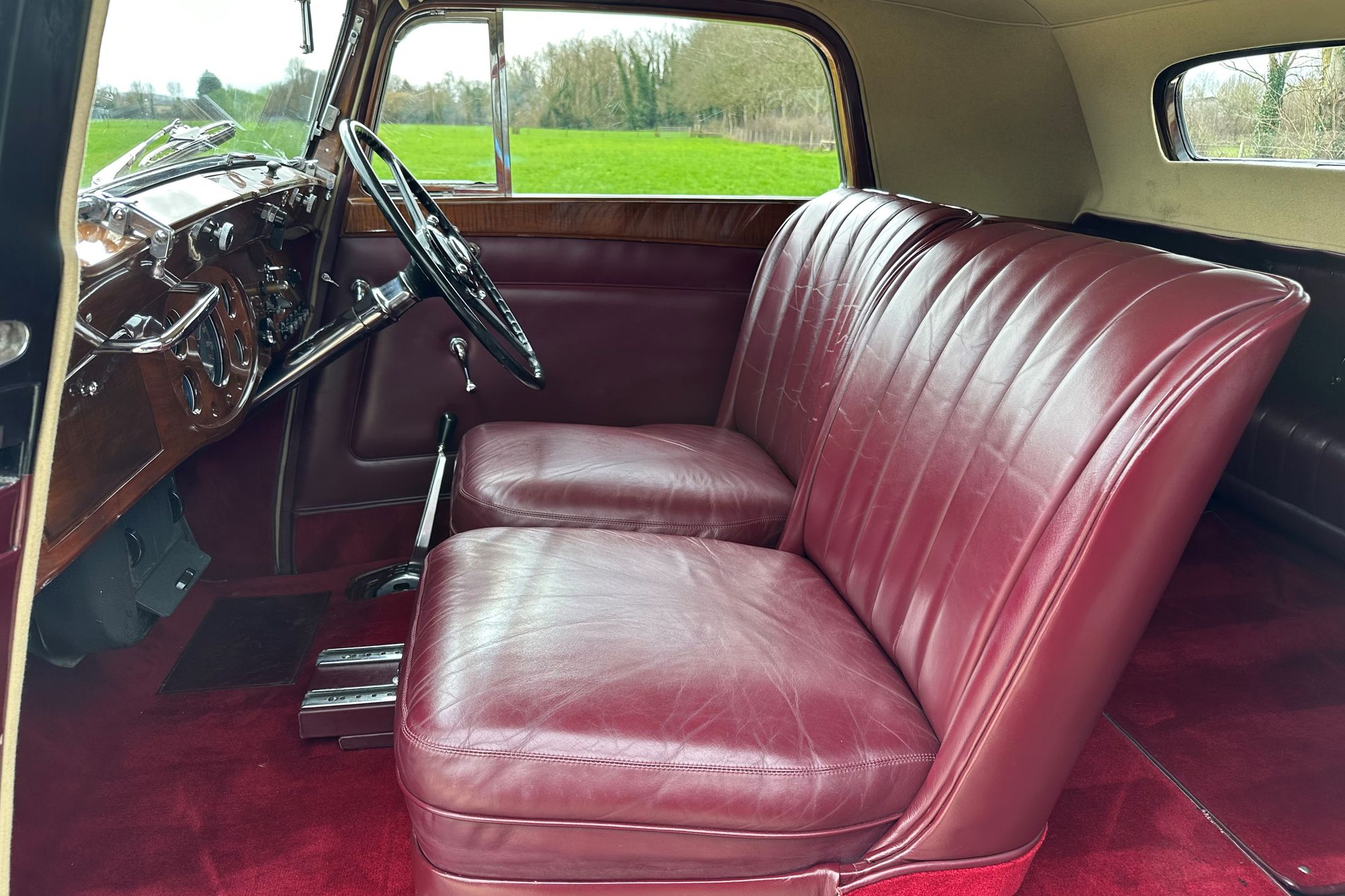
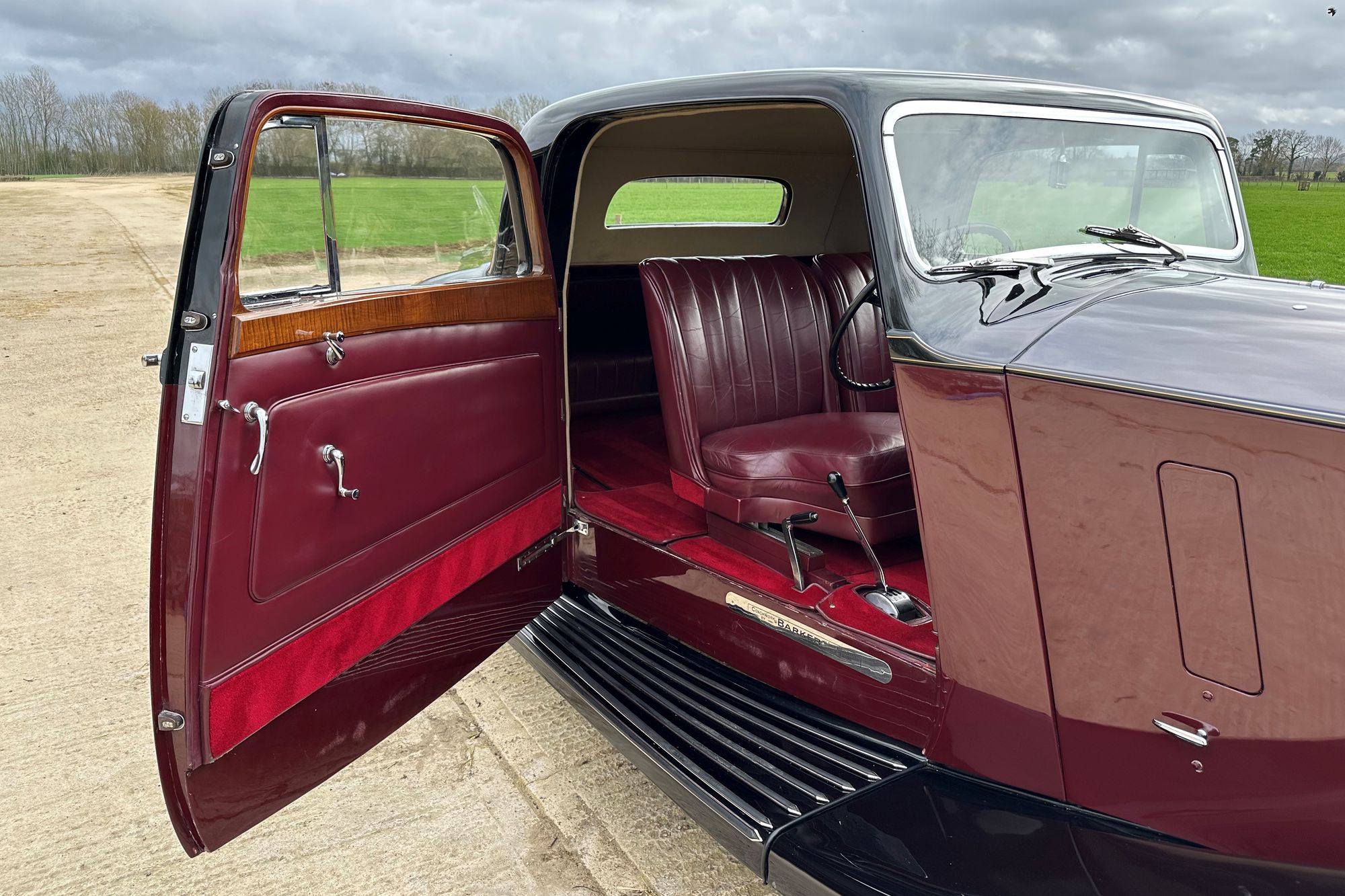
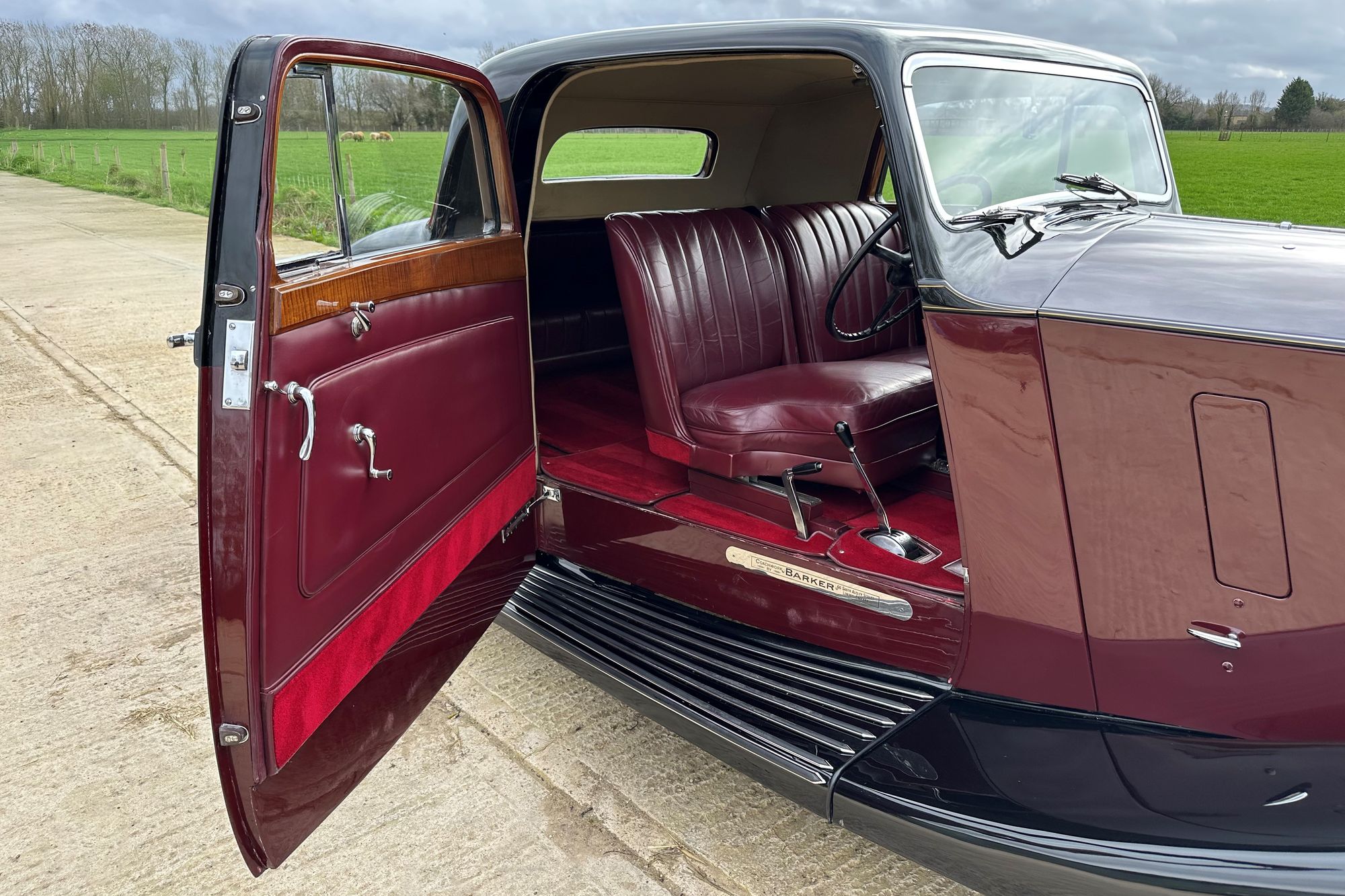
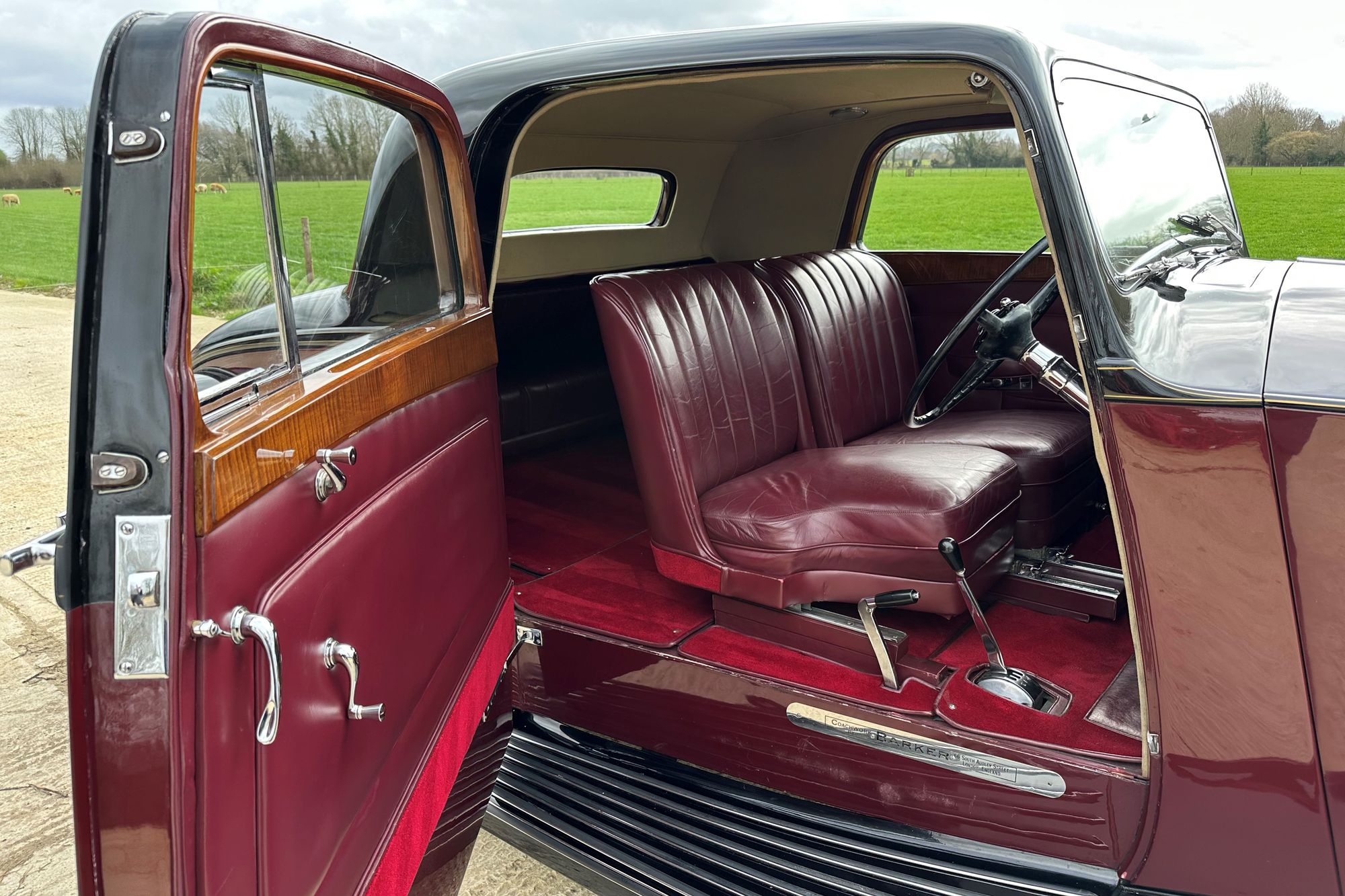
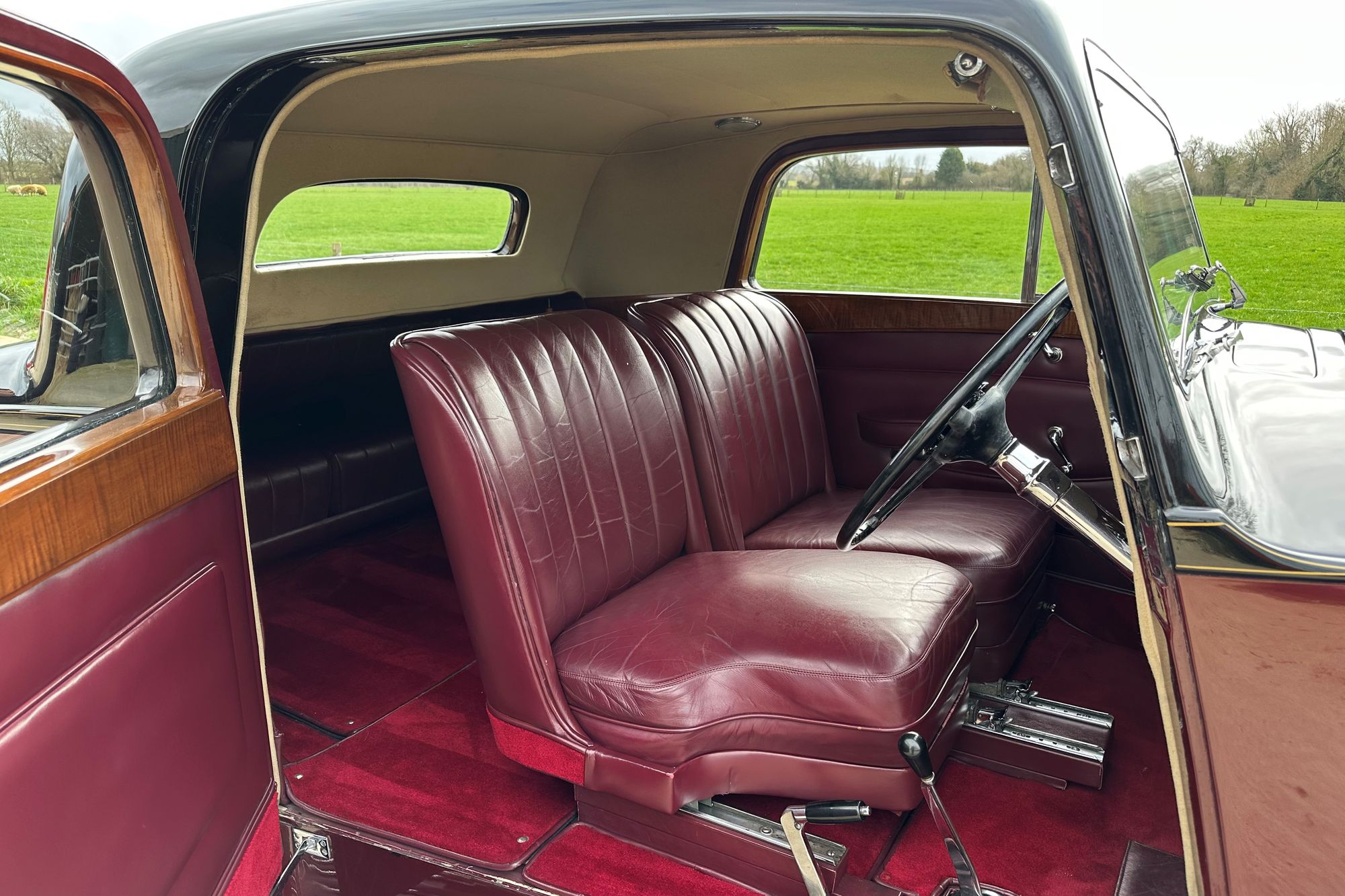
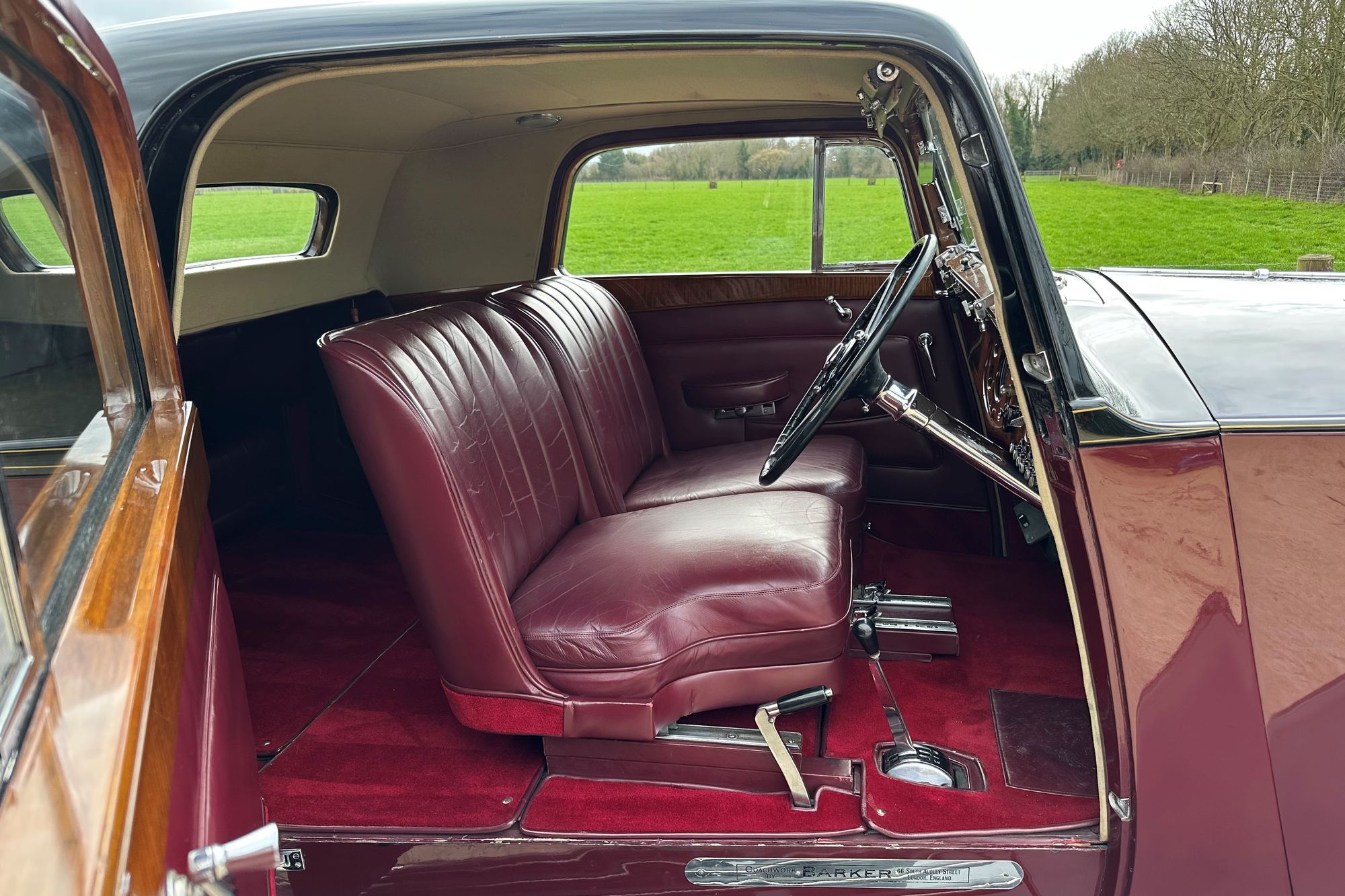
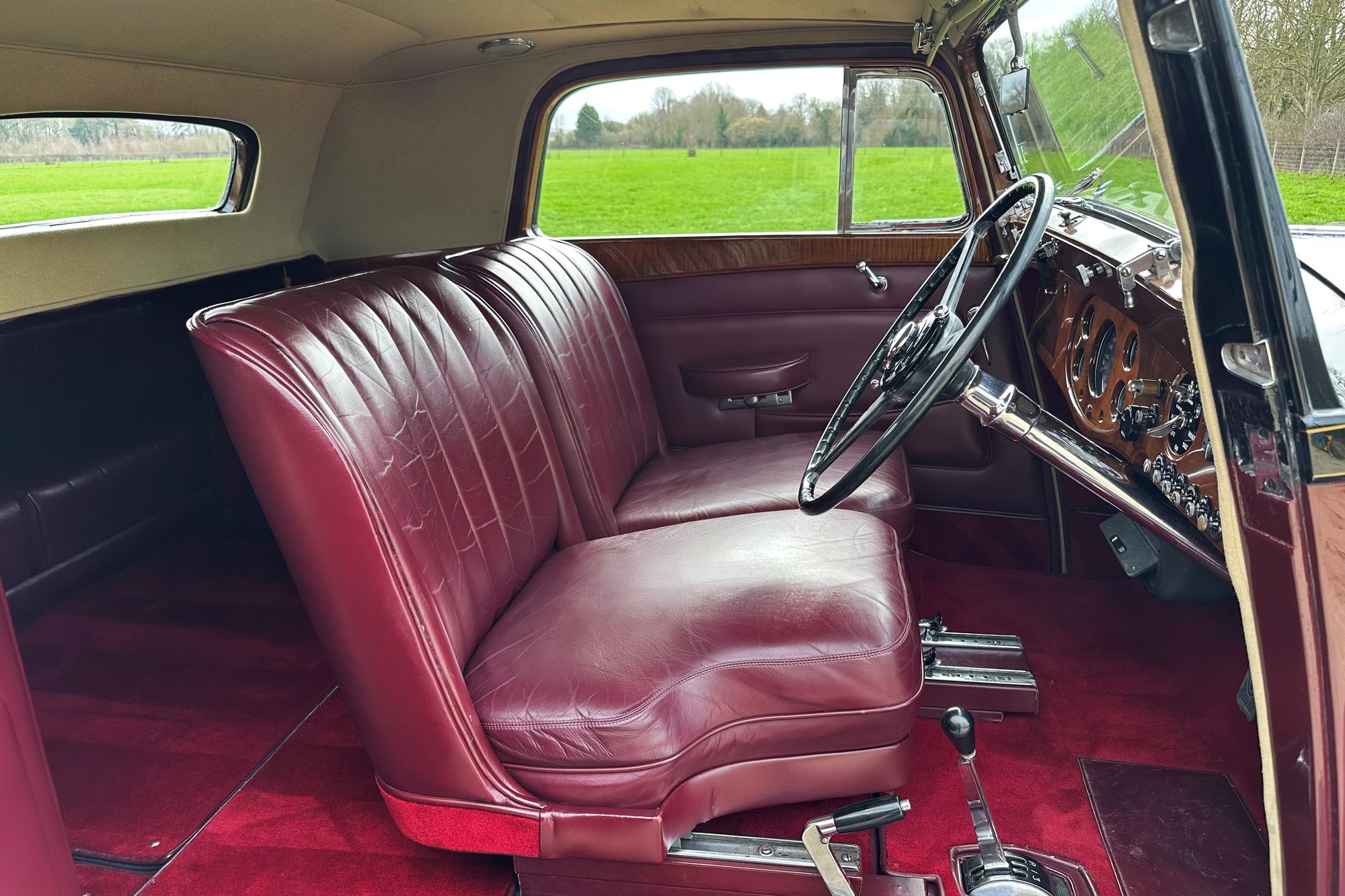
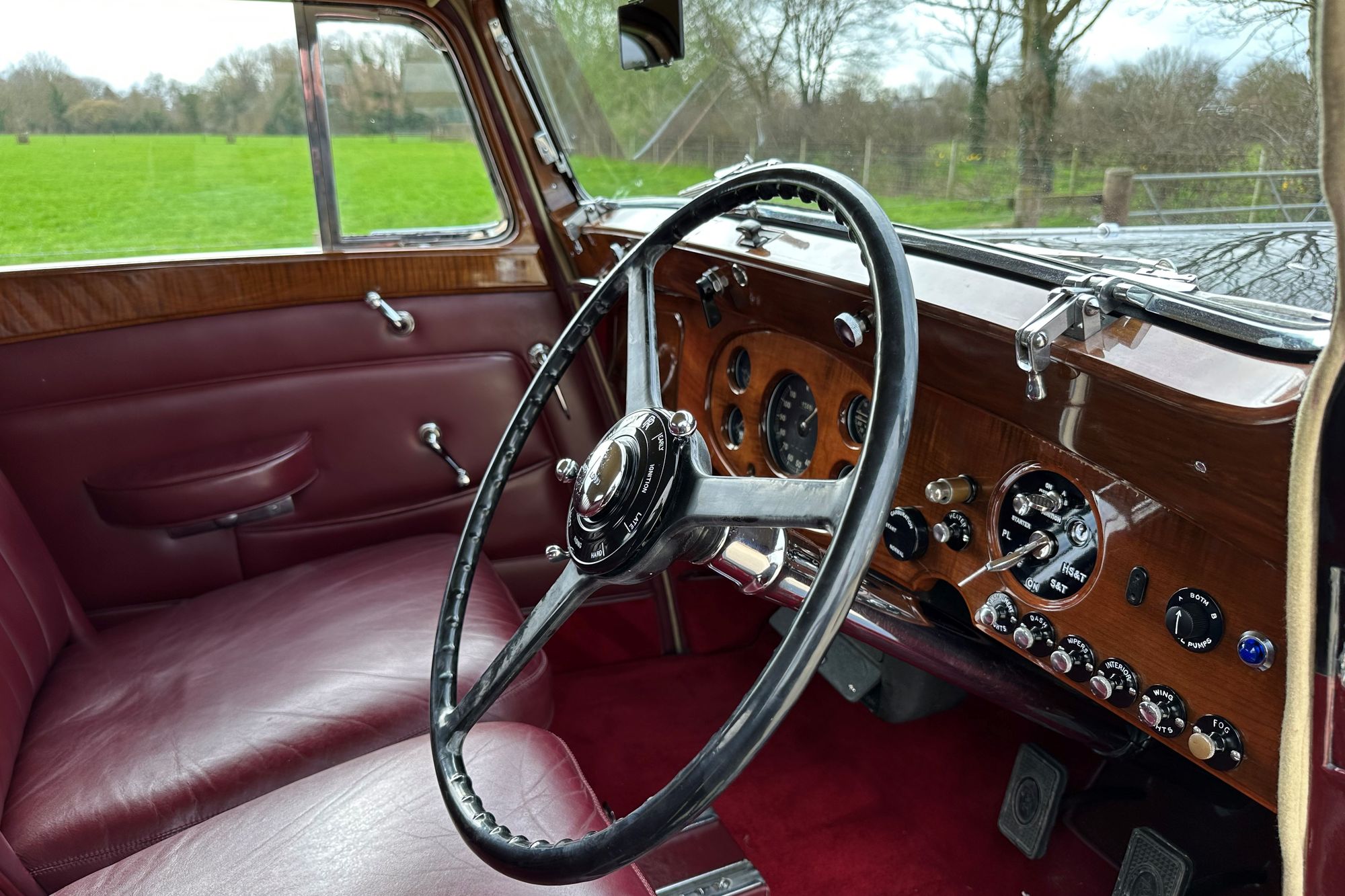
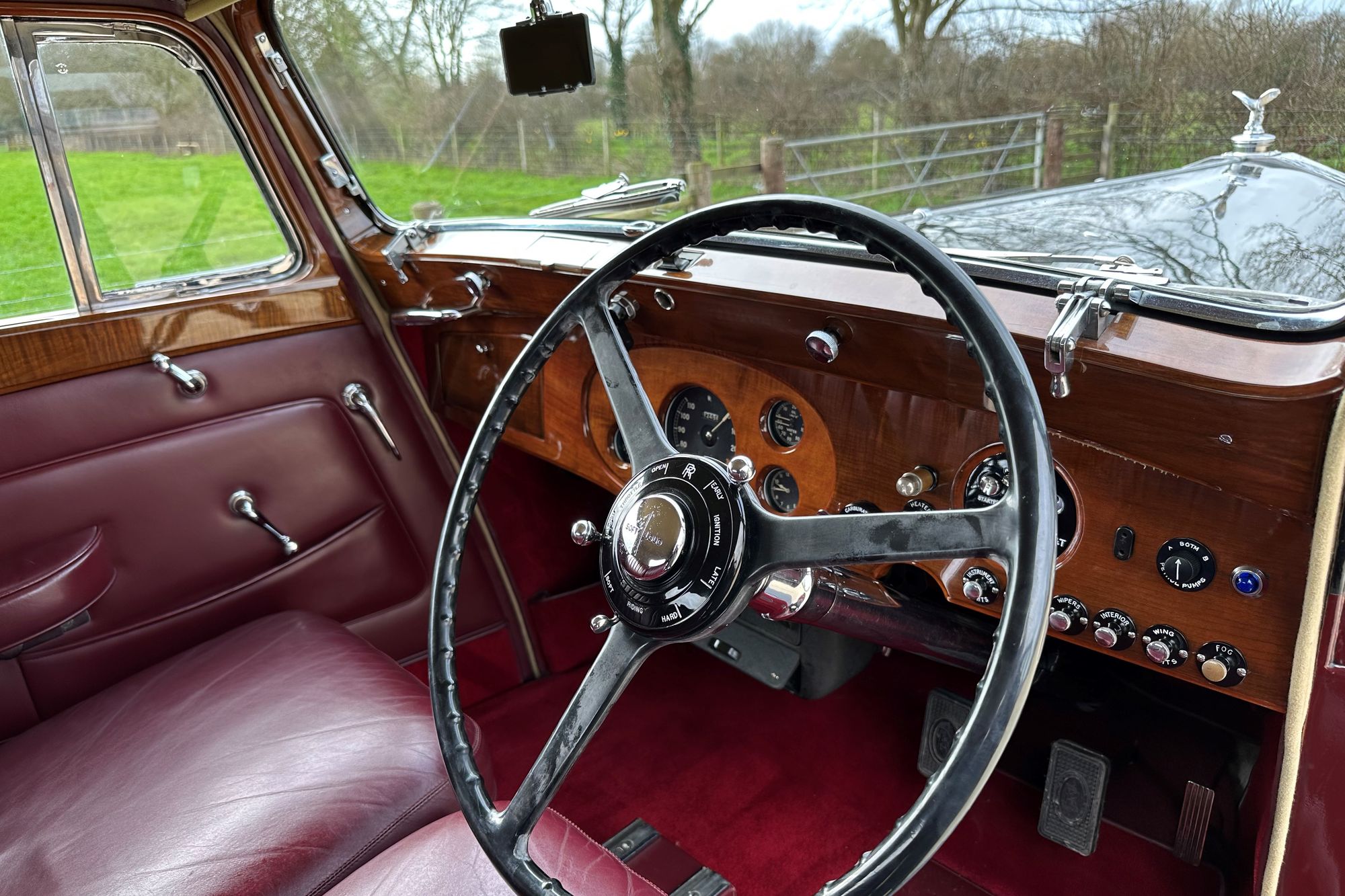
- Stylishly finished in burgundy and black to highlight the beautiful lines of the body
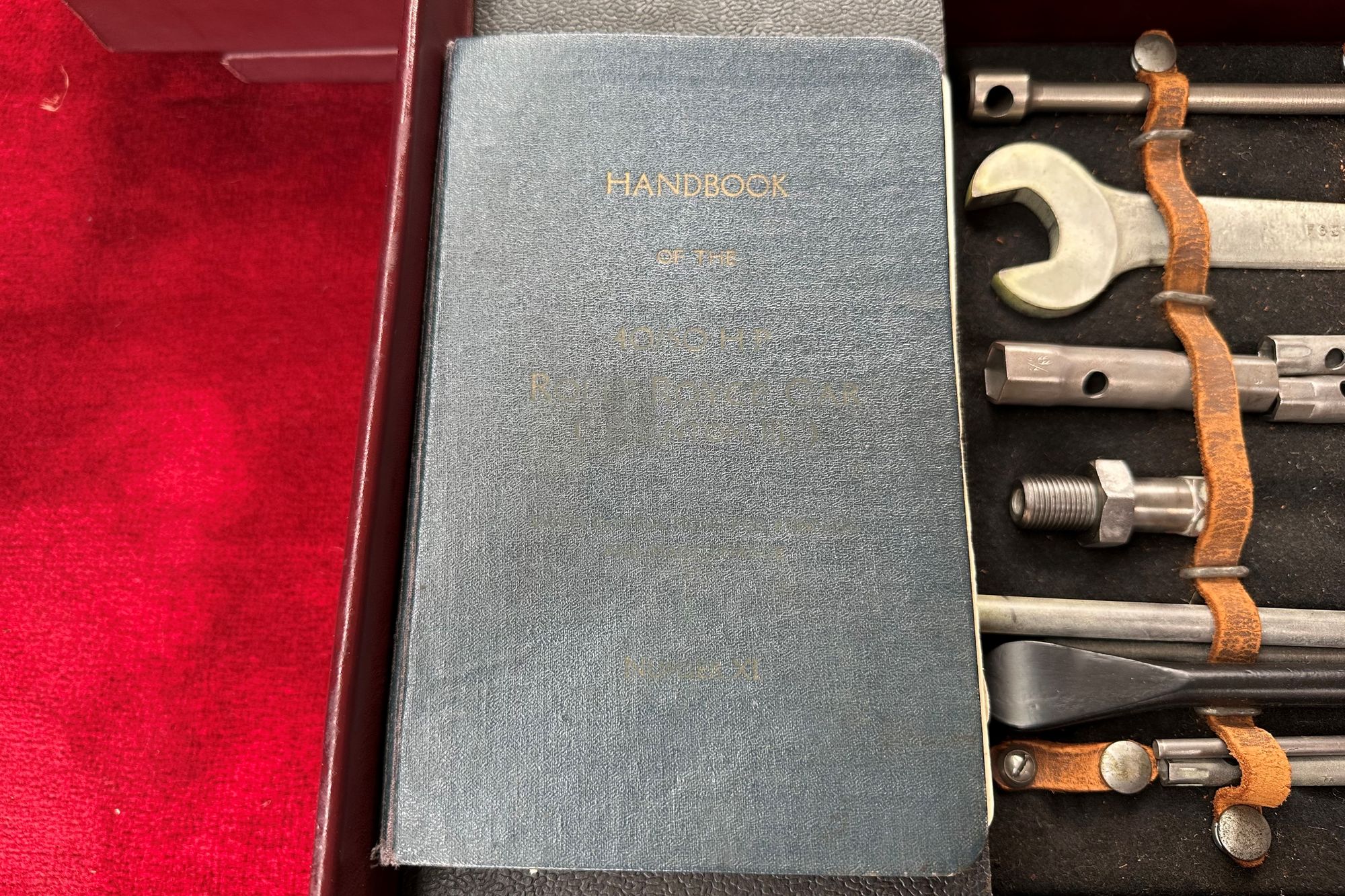
- Complete with original handbook
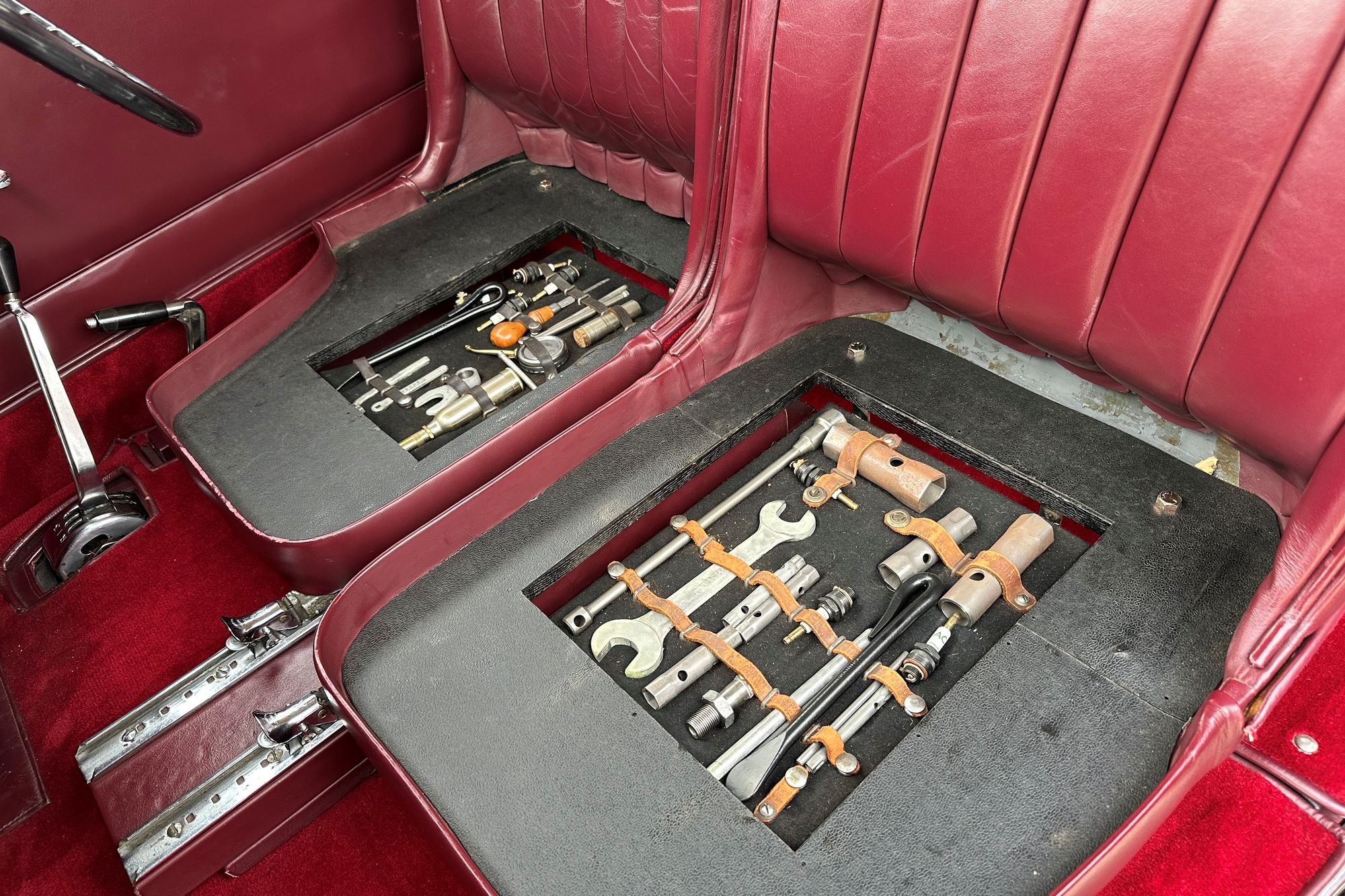
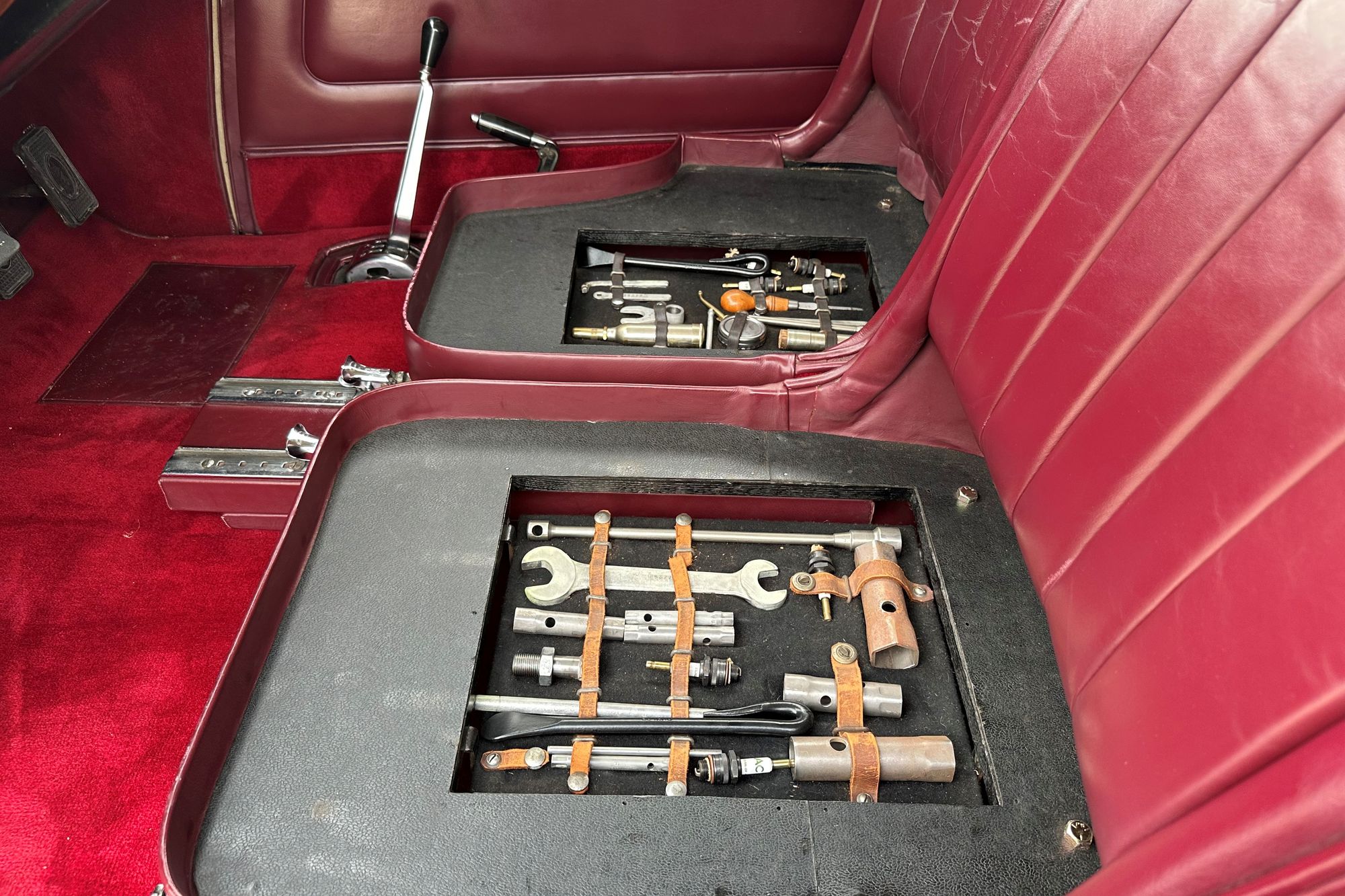
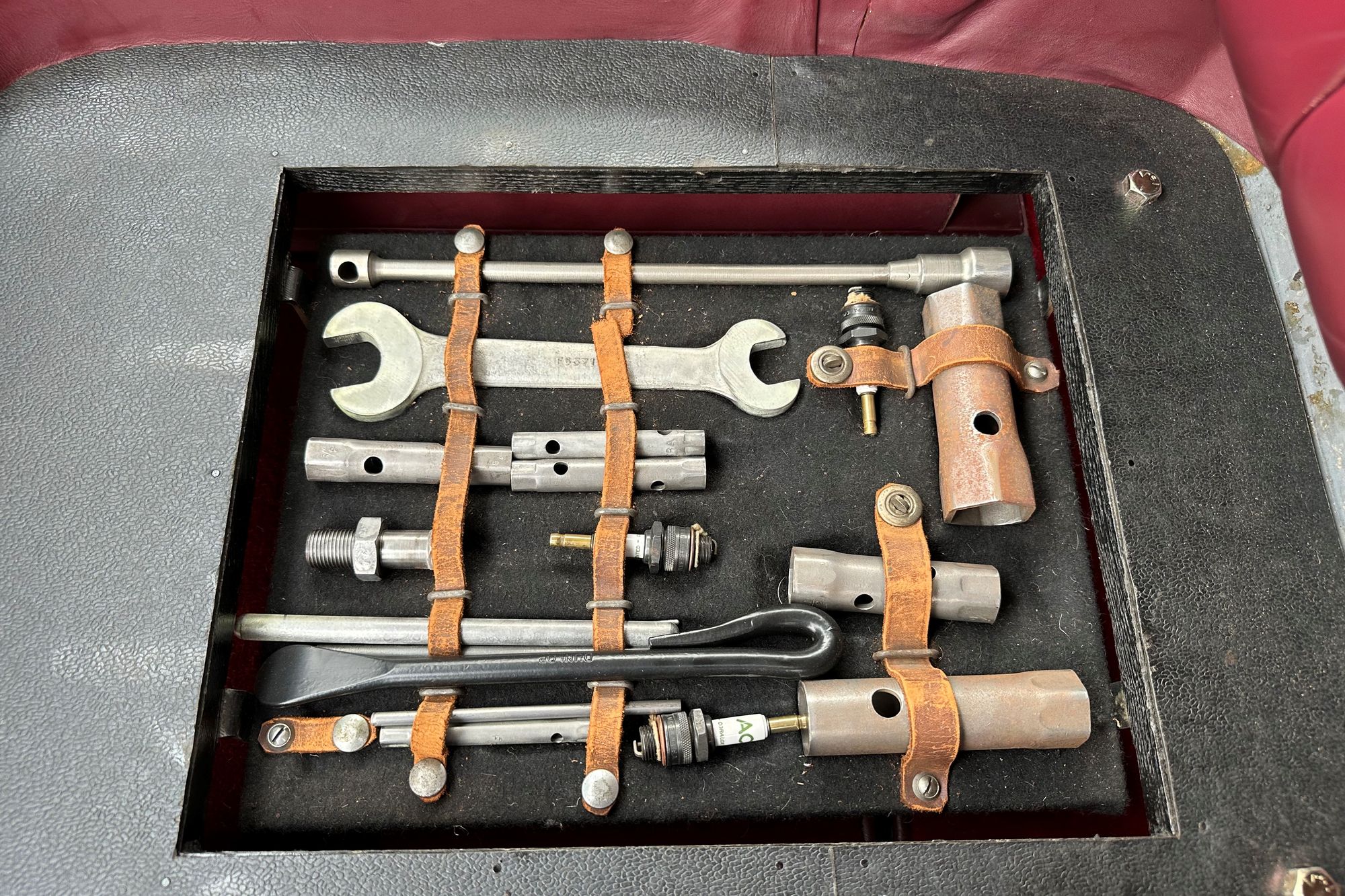
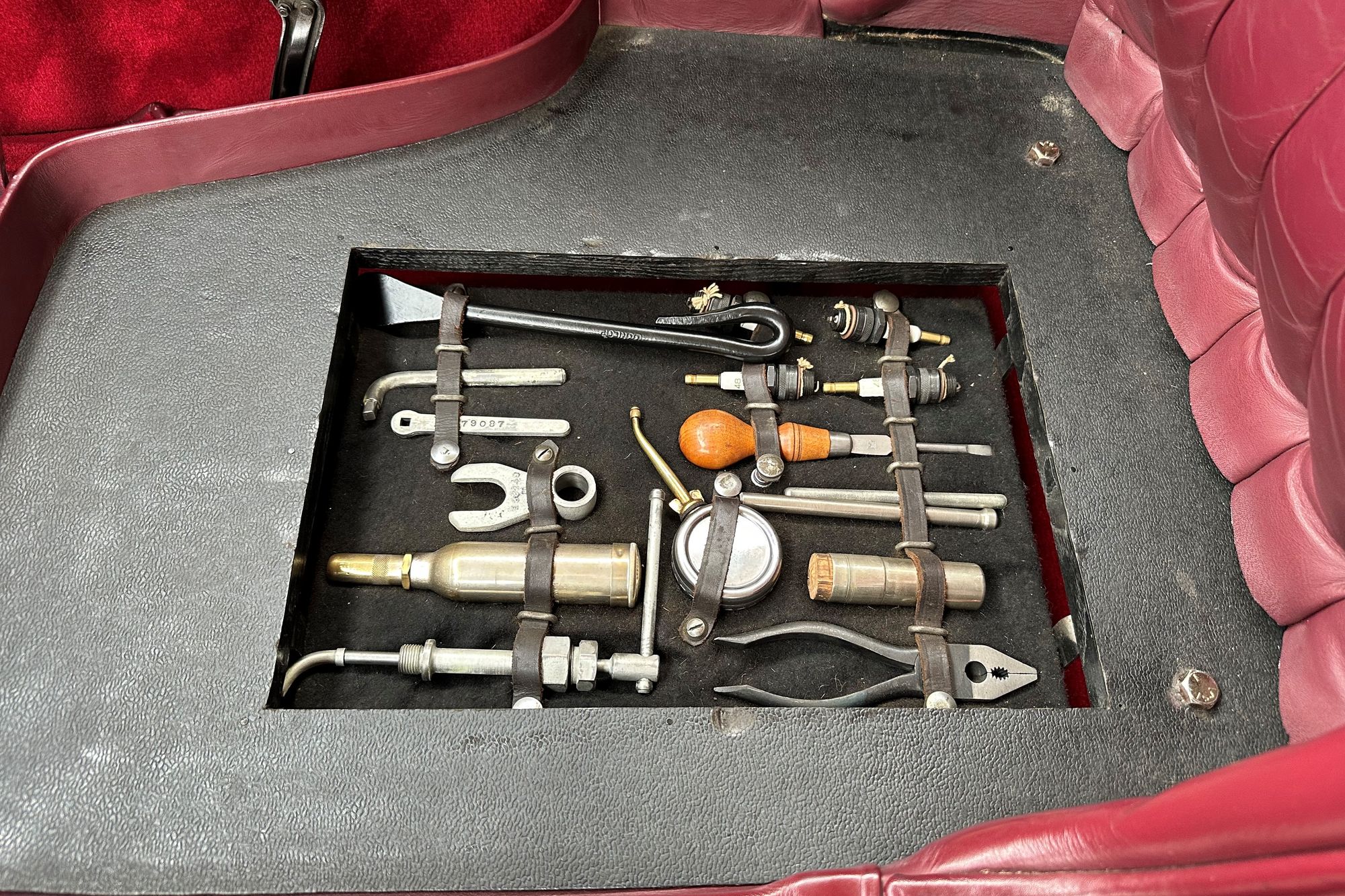
- Complete with two small tool sets stowed under the front seat cushions
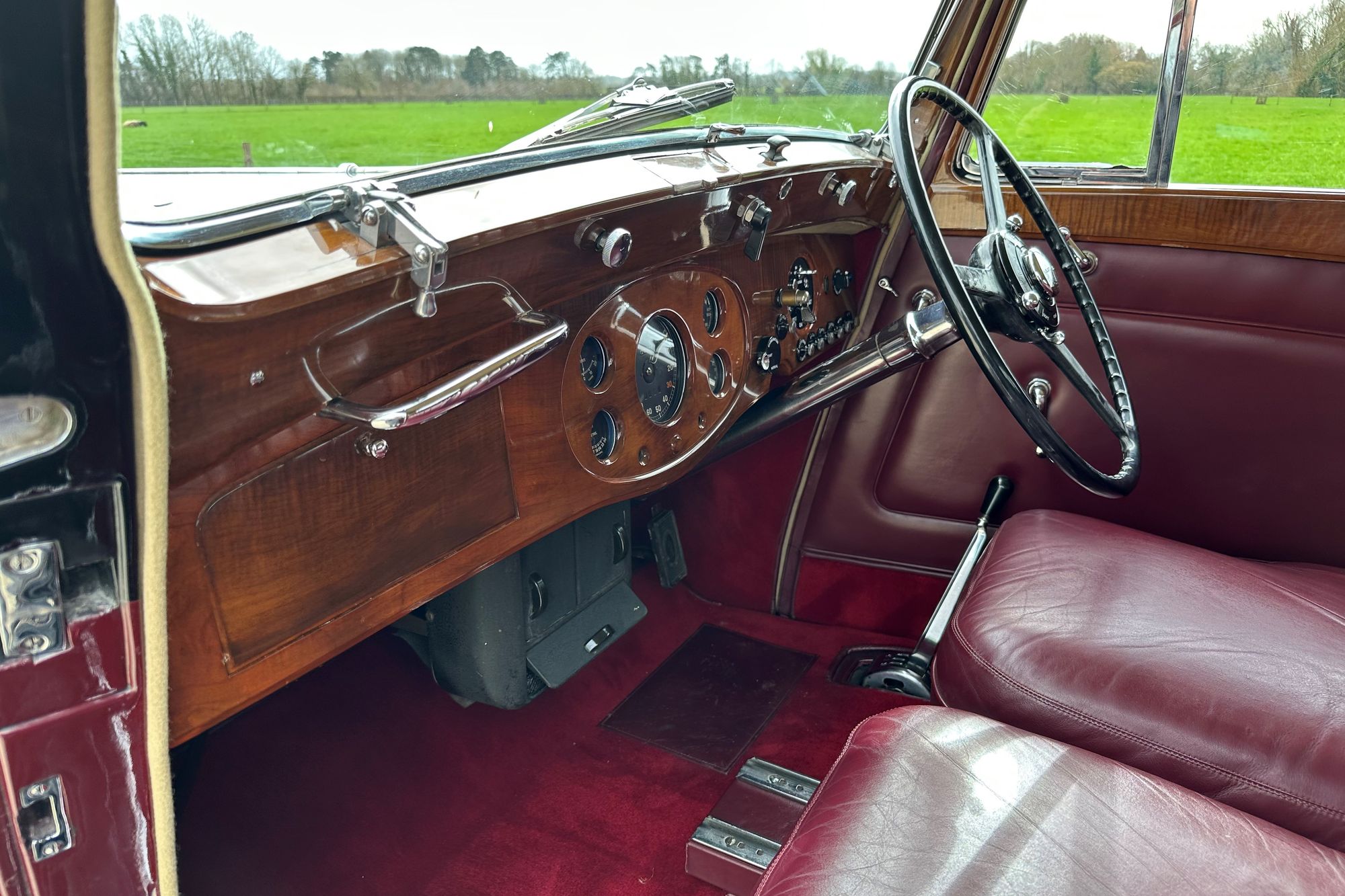
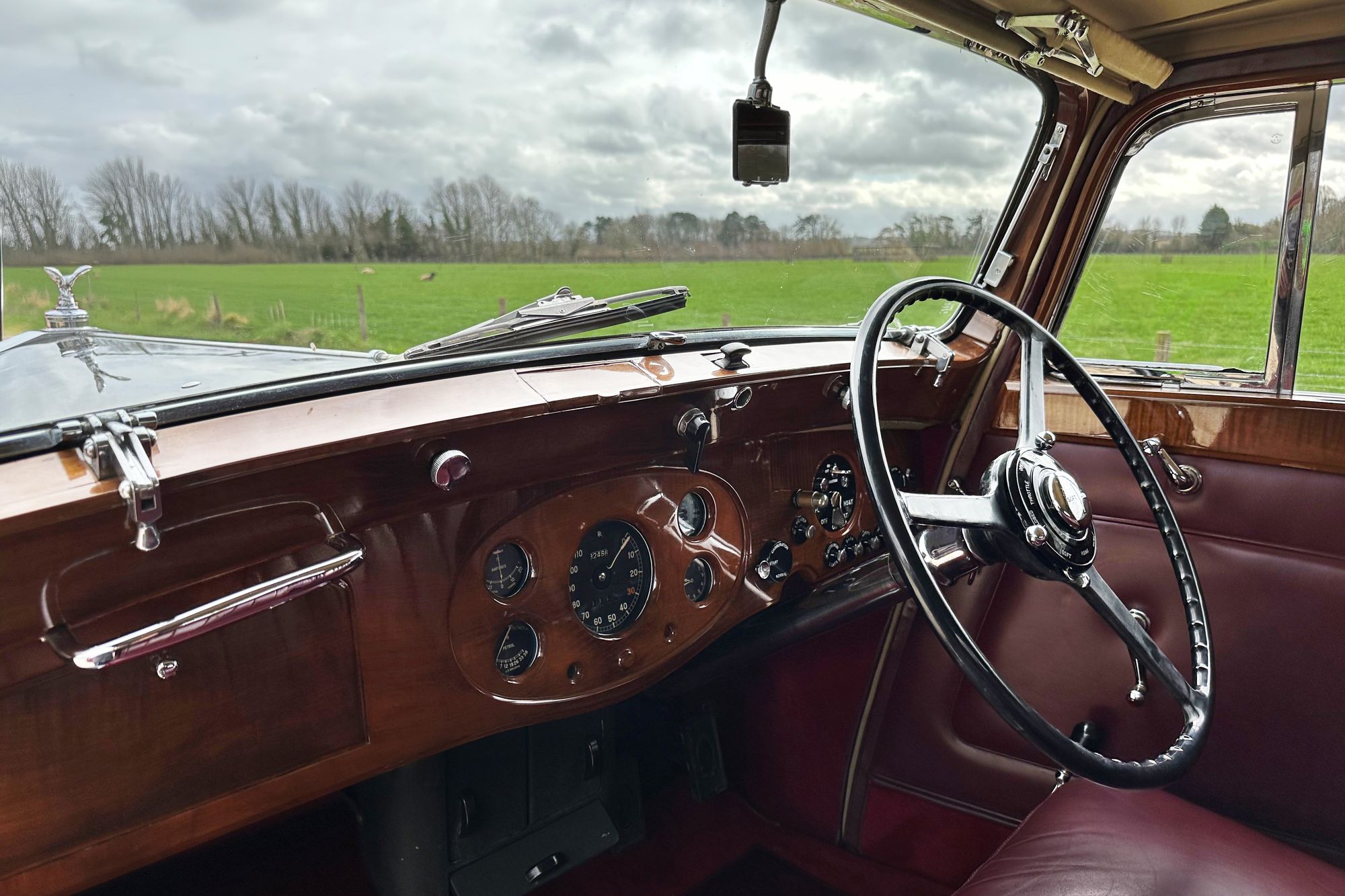
- In beautiful condition both mechanically and cosmetically
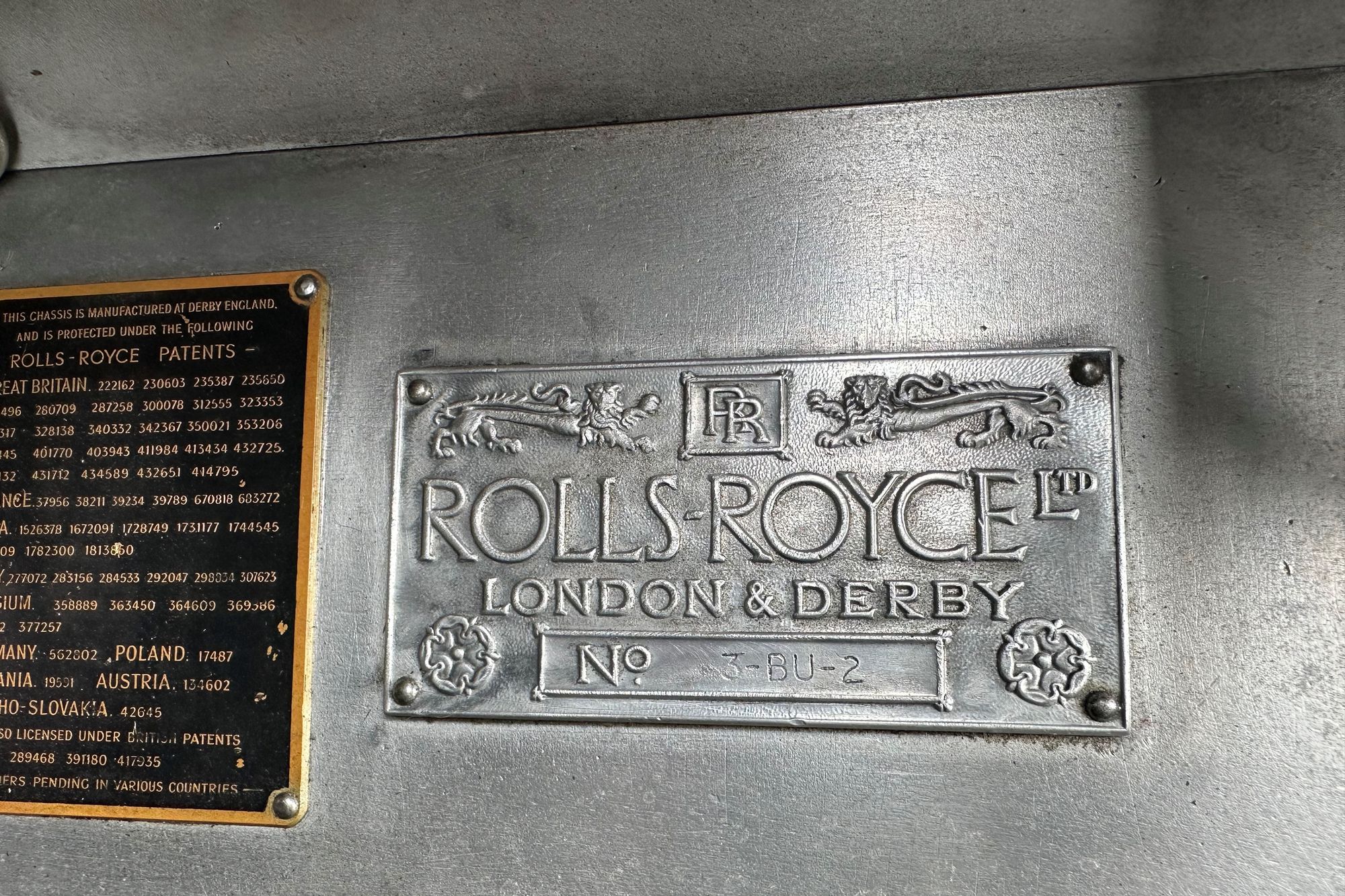
Of the 727 Rolls-Royce Phantom III chassis that were produced, just nine were fitted with two door coupe coachwork. A matching pair of bodies were built by both Inskip and James Young, leaving a further five individual coupe designs that were designed and built by Rippon, Hooper, Vesters & Neirinck, Binder and Barker. Chassis number 3BU2 which we are currently offering for sale is the sole offering by Barker on the Phantom III chassis in this style of coachwork and is arguably one of the very best looking of the nine cars produced. Chassis No 3BU2 was completed in December of 1936 at the Barker works, fitted with Body No 7211 which was designed to incorporate a rear dickey seat capable of seating two passengers. The car was originally painted “London smoke” grey and was supplied new to Mrs Frances Bell of New York. It was delivered to her beautiful home in Long Island in early 1937, making it one of the very few Phantom IIIs delivered to the United States. Mrs. Bell was married to Dr. Dennistoun M. Bell, a wealthy physician who shared his wife’s taste in motor cars as he also owned a rare American delivered Phantom III, Chassis No 3DL190. Following Mrs Bells ownership, the car was sold to Mr F.P. Price of Wilton, Connecticut, who was a very successful architect, with an office in the famous Architects’ Building on Park Avenue in Manhattan. The car remained on the east coast of the US and was purchased in the 1990s by Mr Murray Dewar of Melbourne Australia, although Mr Dewar chose to leave the car in the US. It is understood that he had the engine rebuilt at great expense during the 1990s by Dennison-Jayne Motors Inc in Pennsylvania, a highly respected company who specialise in pre-war Rolls-Royce and Bentley motor cars. Following Mr Dewars ownership, it became part of the collection belonging to Mr Gordon Wangers on the west coast before returning to the UK for the first time in almost ninety years in late 2025. Since its return Chassis No 3BU2 has been reviewed and prepared by noted Rolls-Royce specialists Alpine Eagle in Oxfordshire. The car performs beautifully and is cosmetically extremely attractive, finished in burgundy and black with a superb burgundy leather interior. It comes complete with small tools that are stowed under the two front seat cushions, its original handbook and a history file that contains copy chassis cards and various historical documents from the past. Phantom IIIs rarely come better in our opinion and this stylish motor car should be seen and driven in person to be truly appreciated.
The Rolls-Royce Phantom III, introduced in 1936 and produced until 1939, holds a significant place in the history of Rolls-Royce as it was the company’s first move away from the highly successful six-cylinder engine and it was the last model to have direct involvement from Henry Royce. The Phantom III was developed during a period of significant innovation and economic recovery following the Great Depression. Rolls-Royce aimed to produce a car that exemplified the highest standards of luxury and performance. The Phantom III was introduced at the 1936 London Motor Show, capturing the attention of the automotive world with its advanced features and powerful V12 engine.
The new V12 engine was fitted with overhead valves and could produce very impressive performance figures, especially when considering the sheer size and weight of the finished motor car. Speeds in excess of 80mph were well within this powerful models grasp.
This engine was designed by engineer André Lefebvre and featured an aluminium-alloy block and heads, an unusual and advanced feature for its time. The V12 engine provided smooth, powerful performance, generating an estimated 165-180bhp, allowing the Phantom III to compete with other luxury vehicles of the era. This was complemented by a four-speed manual gearbox with synchromesh on second, third and fourth gears. The substantial chassis frame was fitted with independent front suspension with coil springs, with semi-elliptic leaf springs to the rear. The results, irrespective of coachwork, provided effortless performance and an exceptionally smooth driving experience. For its time it was unquestionably the most technically advanced luxury car in the world.
The Phantom III was available in just one size, that being a 142-inch wheelbase, with little more than 700 chassis rolling off the production line at the factory. The running chassis alone cost the price of six average houses at the time. The majority of the chassis produced were fitted with formal four door coachwork, but a select few were commissioned with more stylish bodies. Coachbuilders like Park Ward, H.J. Mulliner, and Thrupp & Maberly produced bodies to suit each buyer’s requests. Each Phantom III was unique, tailored to the specific desires and specifications of its owner, making it a highly personalized and exclusive vehicle. The Phantom III quickly became a symbol of luxury, technical innovation, and engineering excellence during its era.
Production of the Phantom III was halted in 1939 due to the outbreak of World War II. During the war, Rolls-Royce focused on producing aircraft engines, which were crucial to the war effort. By the time production resumed, the automotive landscape had significantly changed.

Frank Dale Comment
A truly magnificent Rolls-Royce Phantom III with one of the most stylish closed bodies we have seen on a pre-war Rolls-Royce regardless of the model. This beautiful creation by Barker comes prepared and ready for touring, showing, or perhaps both. Simply superb.